
A deep sea fishing charter in Myrtle Beach delivers the kind of open-water adventure that turns first-timers into lifelong anglers. Whether you have never held a rod or you have logged hundreds of hours offshore, the right charter blends adrenaline, salt air, and a real shot at landing tuna, mahi-mahi, or wahoo. Because so many options exist along the Grand Strand, this guide walks you through everything you need to know before you book — from choosing a boat to packing your bag — so your trip is memorable for all the right reasons. For a deeper walkthrough, see our Deep Sea Fishing Charters Myrtle Beach page.
What Is a Deep Sea Fishing Charter?
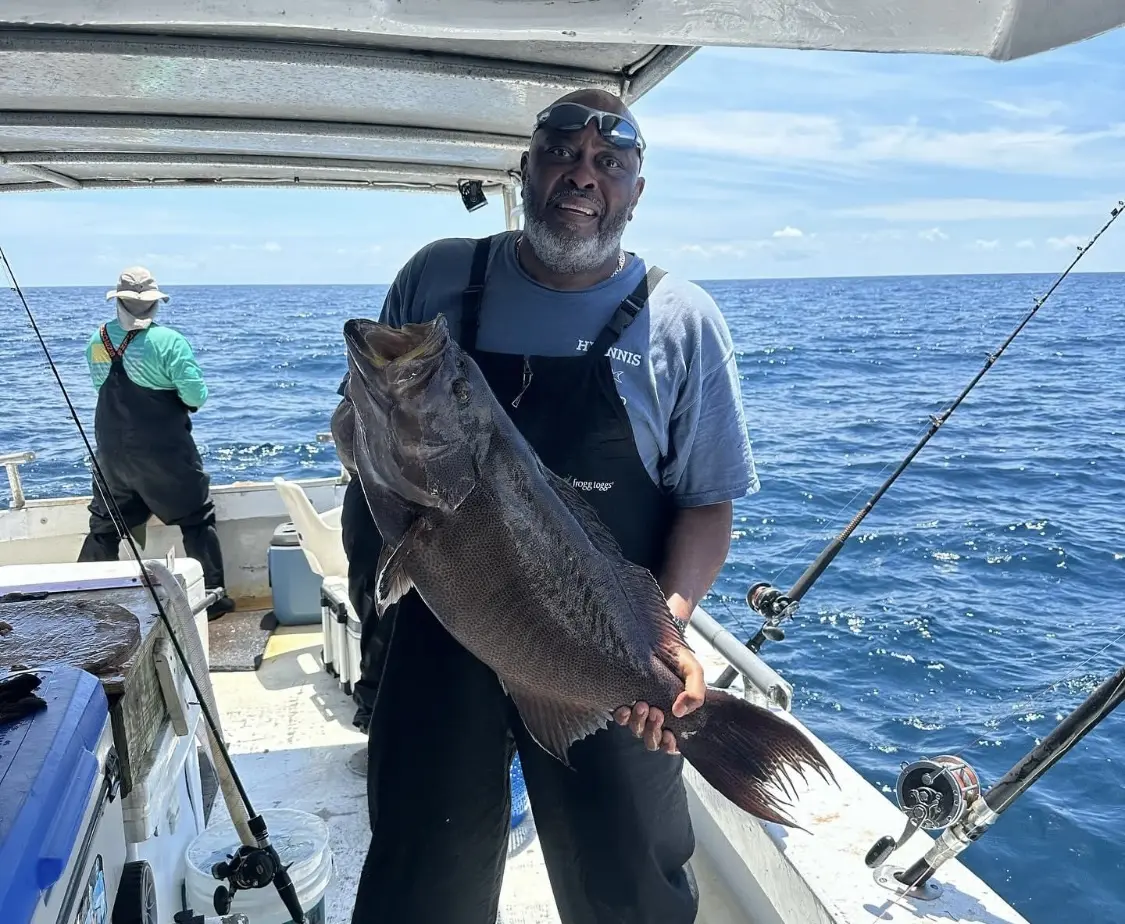
A deep sea fishing charter is a guided boat trip that takes anglers well beyond the sight of land — typically 20 to 60 miles offshore — into deep, cool water where big-game species like tuna, wahoo, mahi-mahi, and billfish roam. Unlike a casual afternoon on a pier, these trips use larger vessels, heavier tackle, and a licensed captain who knows exactly where the fish are holding that day. As a result, you get access to species and depths you simply cannot reach from shore.
In contrast, inshore fishing stays within bays, marshes, and nearshore waters, targeting species like redfish and flounder. If you are still deciding which style suits you, our detailed comparison of deep sea vs. inshore fishing charters breaks down the tackle, travel time, and target species for each so you can pick with confidence.
Choosing the Right Deep Sea Fishing Charter in Myrtle Beach
Picking the perfect deep sea fishing charter in Myrtle Beach is pivotal to your entire experience. Above all, look for outfits that are well-reviewed and run by experienced skippers who fish these waters year-round. Specifically, confirm the vessel is Coast Guard licensed and carries proper safety equipment before you hand over a deposit. Remember, the goal is not just to catch fish — it is to do so safely, comfortably, and enjoyably alongside a crew that genuinely wants you to succeed.
Another key factor is the type of fishing you actually want to do. Some boats specialize in trolling for pelagic species, while others focus on bottom fishing for grouper and snapper. Therefore, knowing your target species narrows your options quickly and leads to a far more personalized trip. Our full guide to Myrtle Beach deep sea fishing charters lists boat types by specialty so you can shortcut the research.
Private Charter or Shared Boat: Which Fits Your Group?
A private charter reserves the entire boat for your party, meaning you set the pace, pick the target species, and control who comes aboard. Meanwhile, a shared or “open boat” trip pools individual travelers together, which usually costs less per person but offers less flexibility over the day’s plan. For families or first-timers, a private trip often removes the guesswork; for solo anglers on a budget, a shared boat is a smart way to sample deep sea fishing without the full price tag.
Similarly, group size affects how much attention the crew can give each angler. Consequently, smaller private groups tend to land more fish per person simply because the mate can help everyone individually. For a side-by-side look at typical charter boat options along the coast, browse our page on fishing charters deep sea operators near North Myrtle Beach.
Boat Size, Crew Experience, and Licensing
Larger boats generally handle rough offshore swells better and offer more stable footing, which matters once you are 30 miles out. In addition, ask how many years the captain has fished local waters — experience translates directly into knowing where fish stage during a given month. According to the NOAA Fisheries service, licensed for-hire vessels must follow strict federal reporting and safety standards, so always confirm a charter’s documentation before booking.
What to Pack for Your Deep Sea Fishing Trip
When preparing for your deep sea fishing trip, packing appropriately cannot be overstated. Essentials include sunscreen, since the sun reflects off the open water and burns skin faster than most people expect. Seasickness medication is also wise, especially if you are prone to motion sickness on rougher swells. Furthermore, layered clothing helps because temperatures can swing dramatically between the dock at sunrise and the open ocean by midday.
- Sun protection: a wide-brim hat, polarized sunglasses, and reef-safe sunscreen.
- Motion sickness relief: over-the-counter medication taken the night before, not after symptoms start.
- Layered clothing: a light jacket for early morning, breathable shirts for midday sun.
- Waterproof bag: to protect phones, wallets, and electronics from spray.
- Snacks and water: staying hydrated keeps energy — and morale — high all day.
- Non-slip shoes: closed-toe footwear with grip for wet decks.
Most charters supply rods, reels, and bait, but if you prefer your own setup, review our breakdown of equipment needed for deep sea fishing before your trip so nothing is left behind.
Best Seasons for a Deep Sea Fishing Charter in Myrtle Beach
Knowing the peak seasons for a deep sea fishing charter in Myrtle Beach can dramatically improve your odds of a great catch. Summer months bring large numbers of dolphinfish, also called mahi-mahi, into the warmer surface waters offshore. Meanwhile, fall sees a strong push of wahoo and king mackerel as water temperatures begin to cool. Winter, though quieter on the docks, can actually be an excellent time for catching several species of grouper that hold near structure year-round.
Spring through early summer, on the other hand, is ideal for anglers hoping to hook tuna, since they migrate closer to shore during this window. It is also prime time for billfish, including sailfish and marlin. Above all, keeping an eye on local fishing reports gives you real-time insight into what is actively biting. For broader context on regional stock health and seasonal migration patterns, the NOAA Fisheries species directory is a reliable, government-backed resource.
Deep Sea Fishing Charter Costs: What You’ll Actually Pay
Pricing for a deep sea fishing charter varies widely based on trip length, boat size, and whether you book private or shared. Generally speaking, a half-day trip (four to six hours) runs less than a full-day offshore run (eight-plus hours), simply because full-day trips travel farther to reach deeper water and bigger fish. In addition, private charters cost more upfront but split down to a competitive per-person rate once your group fills the boat.
- Half-day nearshore/bottom fishing: shorter travel time, lower cost, great for beginners and kids.
- Full-day offshore trolling: higher cost, longer travel, best odds at tuna, wahoo, and mahi-mahi.
- Shared/open boat seats: the most budget-friendly way to try deep sea fishing solo.
- Private charter: total control over species, schedule, and group — ideal for families or corporate outings.
Fuel costs, distance to fishing grounds, and season also influence price — for example, chasing tuna 40+ miles offshore burns considerably more fuel than a nearshore grouper trip. Consequently, always ask what is included (bait, tackle, fish cleaning, license) before comparing quotes between operators, since a lower sticker price sometimes hides add-on fees.
Safety Tips and Regulations for Your Deep Sea Fishing Charter
Safety should always come first on any deep sea fishing charter. Before departure, familiarize yourself with the crew’s safety briefing and note exactly where life jackets are stored. It also helps to have a basic understanding of seasickness management and simple first aid, since medical help is far away once you are offshore. According to U.S. Coast Guard boating safety guidance, every passenger vessel is required to carry an accessible life jacket for each person aboard.
Beyond onboard safety, anglers must follow regulations set by state and federal authorities, including size and bag limits for individual species. The South Carolina Department of Natural Resources publishes current saltwater limits, and most reputable charters handle licensing on your behalf so you never have to worry about paperwork. This matters because the ocean is a delicate ecosystem, and following the rules protects fish populations for future trips.
Techniques and Tips From the Pros to Maximize Your Catch
One of the most exciting parts of a deep sea fishing charter is learning techniques that actually help you land the big one. Listening closely to the captain and mate, who carry a wealth of local knowledge, can make the difference between an empty cooler and a full one. Trolling for tuna, for instance, requires steady boat speed and lure spread, while bottom fishing for grouper demands precise depth control and quick hooksets near structure.
Above all, know when to be patient and when to act fast. Sometimes the key to a successful catch is simply waiting out a slow bite; other times, it is reacting instantly to the captain’s call when fish suddenly appear on the sonar. Always stay ready to adapt to changing ocean conditions and shifting fish behavior throughout the day. For a deeper set of proven techniques, check our guide on how to catch more fish on a deep sea charter.
How to Book a Deep Sea Fishing Charter: Step-by-Step
Booking your first deep sea fishing charter does not have to be complicated. Follow these steps in order, and you will avoid the most common first-timer mistakes.
- Research local operators. Compare reviews, licensing, and boat size among Myrtle Beach charters to find crews with strong offshore experience and recent positive feedback.
- Choose private or shared seating. Decide whether your group wants full control of the boat or a lower-cost shared seat alongside other anglers.
- Match your trip to the season. Pick a departure month based on which species — tuna, mahi-mahi, wahoo, or grouper — you most want to target.
- Confirm trip length and price. Ask what is included, such as bait, tackle, fish cleaning, and licensing, before paying your deposit to lock in the date.
- Pack the night before. Gather sunscreen, medication, layered clothing, and snacks so your morning departure stays stress-free and on schedule.
- Arrive early and check in. Reach the dock at least thirty minutes before departure so the crew can brief you on safety procedures and the day’s game plan.
Frequently Asked Questions About Deep Sea Fishing Charters
How much does a deep sea fishing charter cost?
A deep sea fishing charter typically costs more for full-day offshore trips than for half-day trips, since longer runs travel farther to reach deep-water species. Private charters cost more upfront but often work out cheaper per angler once a group fills the boat, while shared seats offer the lowest individual price.
What fish can I catch on a Myrtle Beach deep sea fishing charter?
Depending on the season, anglers regularly land mahi-mahi, wahoo, king mackerel, several species of grouper, tuna, and billfish such as sailfish and marlin. Summer favors mahi-mahi, fall favors wahoo and king mackerel, and spring is prime time for tuna and billfish.
Do I need my own fishing license?
Usually not. Most licensed charters operate under a blanket saltwater fishing license that covers every passenger aboard, so you can simply show up and fish. It is still smart to confirm this detail directly with your chosen operator before departure.
Is a deep sea fishing charter safe for kids or first-timers?
Yes, with the right preparation. Reputable charters carry Coast Guard-mandated safety gear, brief every passenger before departure, and adjust trip length for younger or inexperienced anglers. Half-day, nearshore trips are typically the gentlest introduction for kids or first-timers.
What should I bring on my trip?
Pack sunscreen, seasickness medication, layered clothing, polarized sunglasses, a hat, a waterproof bag, and plenty of water and snacks. Most boats supply rods, reels, and bait, so you rarely need to bring your own tackle.
What is the best time of year to book a deep sea fishing charter?
Spring through early summer is prime for tuna and billfish, summer favors mahi-mahi, fall brings strong wahoo and king mackerel runs, and winter remains solid for grouper near structure. In short, there is no bad season — only different target species.
Reeling It All In: Your Deep Sea Fishing Charter Awaits
As the sun sets on your deep sea fishing charter in Myrtle Beach, remember that every catch, no matter the size, is a treasure worth telling stories about. Ultimately, it is the experience, the crew, and the connection with the open ocean that make these trips unforgettable. With the right charter, proper packing, seasonal timing, and a little patience, you are set to create memories that last well beyond the dock. Ready to plan your own trip? Explore North Myrtle Beach Fishing Charters to compare boats, seasons, and pricing before you book.
Leave a Reply