
Private, Affordable Family Fishing Charters: A Local Guide for the Grand Strand
Families visiting the coast often want more than just time on the beach. They want a shared experience—something memorable, educational, and accessible for all ages. Along the Myrtle Beach and Grand Strand coastline, private family fishing charters In Myrtle Beach fill that role when planned correctly.
This guide explains how private, affordable family fishing charters work in this region, what conditions influence success, which fish families are most likely to encounter, and how local captains structure trips for safety and enjoyment. The goal is education first, not promotion.
Local Experience and Regional Background
The coastal waters from Myrtle Beach through Brunswick County are shaped by inlets, estuaries, nearshore reefs, and a gradually sloping continental shelf. This geography creates a wide range of fishing opportunities within short travel distances.
North Myrtle Beach Fishing Charters has operated in these waters since 1991. The company is locally owned and operated and led by Captain Keith Logan, who brings more than 40 years of hands-on local fishing experience. That longevity matters in a region where tides, wind patterns, and seasonal migrations change how and where families should fish.
Private family tours in this area are not about chasing extremes. They are about understanding conditions, adjusting expectations, and selecting locations where consistent action and comfort align.
Conditions, Seasons, Species, and Structure
Water Conditions Families Encounter
Family-friendly inshore fishing depends heavily on water conditions. Inshore creeks and protected nearshore waters are typically calmer, making them suitable for children and first-time anglers.
Wind direction, tide movement, and water clarity influence not only fishing success but also comfort. Experienced local captains often plan trips around slower tide windows and protected areas to minimize motion and fatigue.
Seasonal Fishing Patterns
Fishing along the Grand Strand follows predictable seasonal rhythms.
-
Spring: Rising water temperatures bring increased activity from redfish, flounder, and black drum.
-
Summer: Nearshore reefs and coastal waters produce Spanish mackerel, sea bass, and sharks, while early mornings help avoid heat.
-
Fall: Cooling water concentrates baitfish, creating strong action for redfish and nearshore species.
-
Winter: Selective inshore fishing remains productive on warmer days, especially around deeper structure.
Families benefit most when trips are matched to seasonal realities rather than calendar expectations.
Common Species for Family Inshore Charters
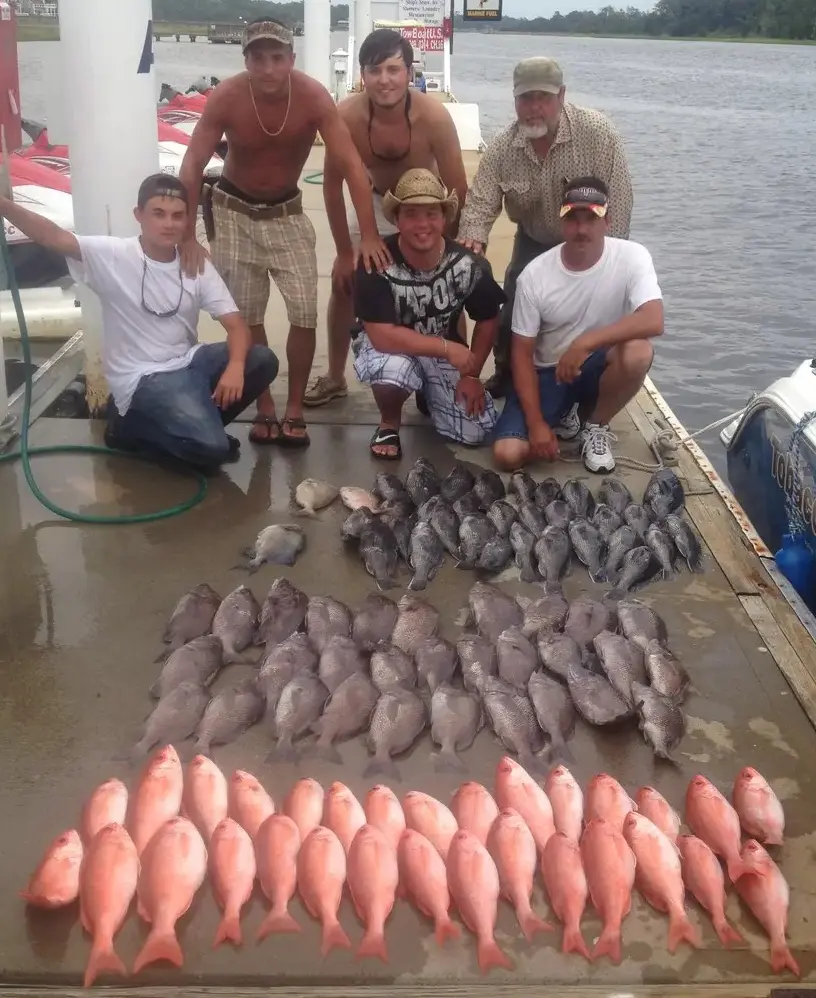
Most family-focused charters target species that are abundant, cooperative, and safe to handle:
-
Redfish
-
Black drum
-
Flounder
-
Spanish mackerel
-
Small coastal sharks
-
Sea bass
These fish provide steady action without requiring advanced techniques or long offshore runs.

What “Private and Affordable” Really Means
Private family fishing charters differ from shared or party boats in several keyways. The boat is reserved for one family or group, allowing the captain to tailor pace, location, and instruction.
Affordability does not mean cutting corners. In this region, private family charters are often priced by trip length rather than number of participants, which can be cost-effective for families compared to per-person rates.
Shorter inshore or nearshore trips are common choices. They limit travel time, reduce fatigue, and focus effort where action is most consistent for beginners.
Myrtle Beach to Brunswick County
The waters spanning Murrells Inlet, Myrtle Beach, North Myrtle Beach, Little River, Cherry Grove, Horry County, South Carolina into North Carolina, Brunswick County, Calabash, Sunset Beach, and Ocean Isle Beach offer flexibility that supports family fishing.
-
Inlets and ICW: Calm waters with reliable fish populations.
-
Nearshore reefs: Short runs offshore with steady action during warmer months.
-
Estuaries and creeks: Ideal for learning fundamentals and observing wildlife.
Local knowledge is critical here. Small changes in tide or wind can shift productive areas by miles, making experience more valuable than technology alone.
Trust, Safety, and Family Considerations
Safety is foundational for family fishing charters. Responsible operators prioritize:
-
U.S. Coast Guard–licensed captains
-
Properly sized life jackets for children
-
Clear pre-trip safety briefings
-
Weather-based trip planning
Beyond physical safety, good family charters create an environment where children can ask questions, learn basic skills, and participate at their own pace. Patience and communication matter as much as fishing knowledge.
Why Local Authority Matters for Families
Families often underestimate how different coastal fishing can be from lakes or piers. Tides replace currents, wind replaces waves, and fish movements shift daily.
Long-term local experience allows captains to simplify those variables. Instead of overwhelming families with detail, experienced guides translate conditions into clear decisions—where to go, how long to fish, and when to adjust.
That is the difference between a stressful outing and an educational day on the water.
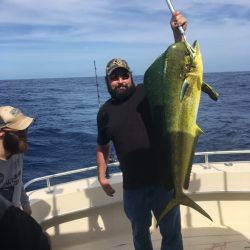
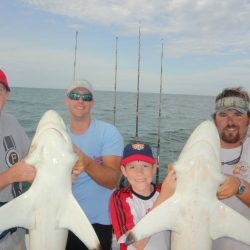
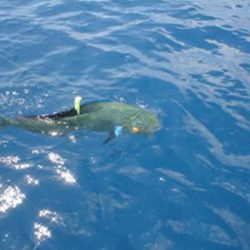
Check Out Our Photos
Check out our photo and video gallery showcasing past adventures. From gleaming catches to happy faces, these images give a taste of what awaits you.
Quick Pick
Jump to the trip you want:
Book Fast
Not sure which trip fits? Text your group size + dates and we’ll recommend the best private affordable family charter option.
Inshore Fishing Charters
Calmer water options inside the inlet, along the ICW, creeks, and backwater edges. Great for families, beginners, and steady action without a long ride offshore.
Great introduction for first-timers—steady action without a long day.
5-Hour Inshore Fishing Charter
Trip times: 7:00–12:00 or 1:00–5:00
Trip length: 5 hours
Ideal when tide timing matters for redfish, trout, or flounder.
6-Hour Inshore Fishing Charter
Trip time: 7:00–1:00
Trip length: 6 hours
A strong middle option when you want more tide coverage without a full day.
8-Hour Full-Day Inshore Fishing Charter
Trip time: 7:00–3:00
Trip length: 8 hours
Best for anglers who want full-day flexibility and multiple tide stages.
Inshore max capacity: 4 guests per boat (USCG-regulated). Fishing with a larger group? We can often run multiple inshore boats at the same time. With up to five inshore boats available, we can accommodate groups up to 20 guests total (split across boats) when scheduling and conditions allow.
Book Inshore
Nearshore Fishing Charters
Just off the beach around nearshore reefs and structure—great balance of comfort and open-water fishing.
4-Hour Nearshore Fishing Charter
Trip times: 7:00–11:00 AM • 11:30–3:30 PM • 4:00–8:00 PM
Trip length: 4 hours
Open-water action without committing to a long offshore run.
6-Hour Nearshore Fishing Charter
Trip times: 7:00 AM–1:00 PM • 1:30–7:30 PM
Trip length: 6 hours
More reefs, more time, more flexibility if conditions change.
Book Nearshore
Shark Fishing Charters
Hands-on fishing close to shore using fresh, local bait—popular with families and groups looking for an exciting fishing experience.
4-Hour Shark Fishing Charter
Perfect intro trip for families—hands-on action close to shore.
6-Hour Shark Fishing Charter
More soak time means more flexibility—ideal for bigger sharks.
Book Shark Trip
Offshore Fishing Charters
Beyond the nearshore reefs in deeper ocean waters. These trips commonly combine trolling and structure fishing.
6-Hour Offshore Fishing Charter
A solid “starter offshore” trip with time to troll and work structure.
8-Hour Offshore Fishing Charter
More time to cover additional areas and adjust tactics as conditions change.
Book Offshore
Deep Sea Fishing Charters
8-Hour Deep Sea Fishing Charter
Great all-around offshore option without committing to a 12-hour day.
12-Hour Gulf Stream Bottom Fishing Charter
Maximum offshore range + time on deep structure.
Book Deep Sea
Gulf Stream Fishing Charters
12-Hour Gulf Stream Bottom Fishing Charter
Best for anglers who enjoy bottom fishing and steady action over structure.
14-Hour Gulf Stream Trolling Charter
High-energy offshore action for pelagic and big game targets.
Book Gulf Stream
Eco Tours & Dolphin Tours
4-Hour Private Eco Tour & Dolphin Tour
More time to explore and adjust the route based on tides and wildlife activity.
2-Hour Evening Private Eco Tour
A relaxed end-of-day option with calmer light and cooler temps.
Book Eco Tour
What’s included (most trips): Licensed captain, fuel, bait, tackle, and required safety equipment. Fish cleaning available when regulations allow.
Reminder: Trips are weather and sea-condition dependent. Departure locations can vary based on boat assignment.
Frequently Asked Questions
Are private fishing charters suitable for young children?
Yes, when trips are planned in protected waters and paced appropriately. Calm conditions and shorter durations are common for families with young children.
Do families need prior fishing experience?
No. Most family charters are designed for beginners, with instruction provided throughout the trip.
What should families bring on a fishing charter?
Sun protection, weather-appropriate clothing, snacks, drinks, and any personal medications. Fishing equipment is typically provided.
How long are typical family fishing trips?
Many families choose 3–4 hour trips. This duration balances fishing time with attention spans and comfort.
Is fishing seasonal in Myrtle Beach?
Yes. While fishing is possible year-round, species and techniques change by season. Local guidance helps set realistic expectations.
Can families keep fish they catch?
This depends on species, size, and regulations at the time of the trip. Captains explain current rules before fishing begins.
Are private charters more expensive than group boats?
Not always. For families, private charters can be cost-effective because pricing is often based on the trip rather than per person.
Families planning a coastal trip often benefit from understanding how local waters work before stepping on a boat. Learning about seasons, species, and conditions helps set expectations and ensures time on the water is both enjoyable and educational.
Those seeking more local insight can explore additional regional fishing resources and guides published by experienced captain’s familiar with the Murrells Inlet, Myrtle Beach, North Myrtle Beach, Little River, Cherry Grove, Horry County, South Carolina into North Carolina, Brunswick County, Calabash, Sunset Beach, and Ocean Isle Beach waters.