
Shark fishing safety tips Myrtle Beach questions come up often among visitors planning their first shark charter along the Grand Strand. Whether you are booking an inshore trip through a quiet backwater creek or heading offshore toward the Gulf Stream, understanding how to fish safely around sharks protects both anglers and the fish. This guide breaks down the precautions experienced captains use every day, from gear selection to proper catch-and-release handling. In particular, shark fishing safety tips Myrtle Beach are the practical precautions and best practices anglers rely on to enjoy shark fishing safely along the Carolina coast.
Quick Answer: The safest way to enjoy shark fishing near Myrtle Beach is to book with a U.S. Coast Guard–licensed private charter captain, use appropriately sized tackle, keep sharks in the water during release whenever possible, and follow the crew’s instructions at all times. Together, these practices protect anglers, children aboard, and the shark population on every trip.
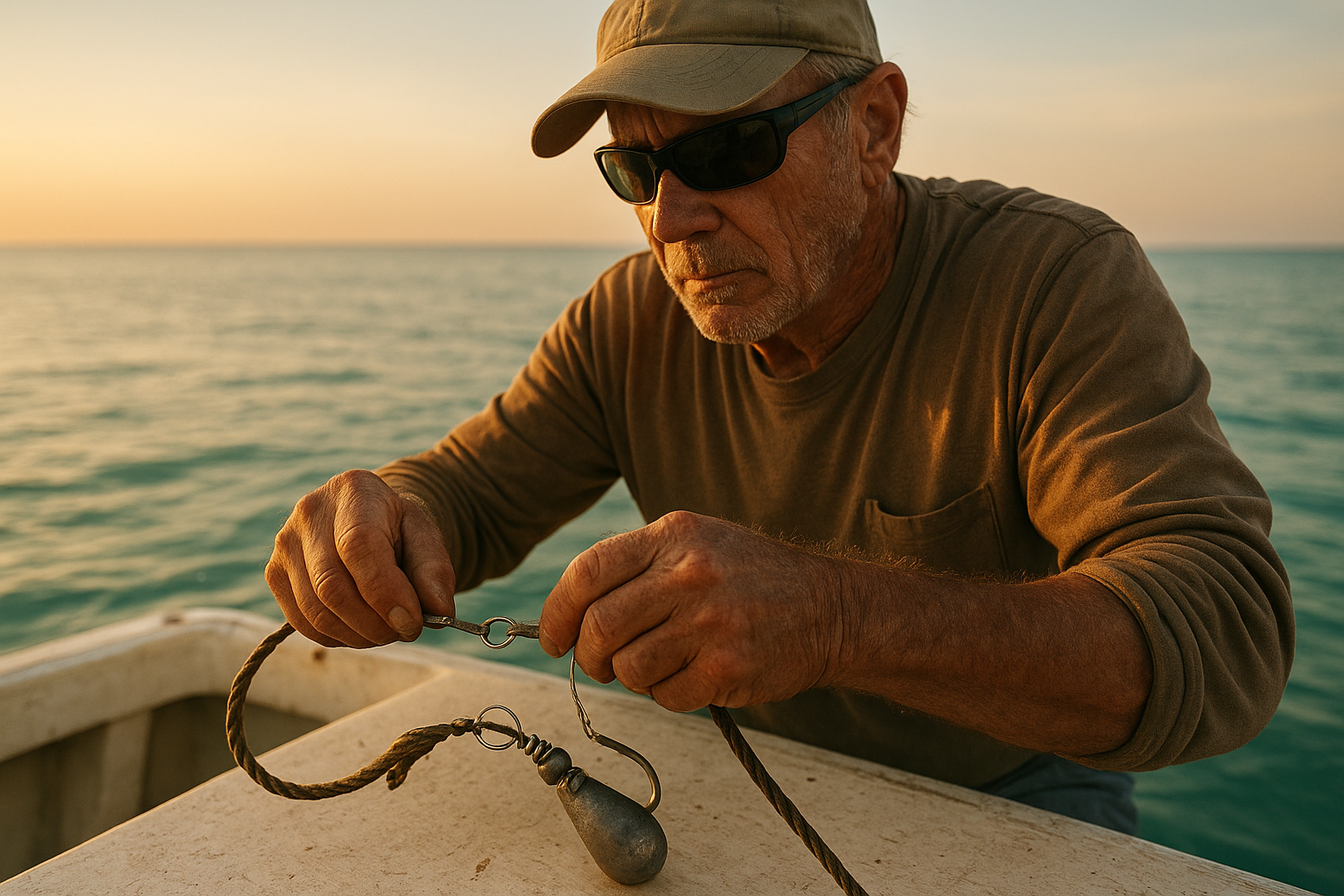
Following proven shark fishing safety tips Myrtle Beach captains rely on keeps every trip secure from dock to release.
What Are the Most Important Shark Fishing Safety Tips for Myrtle Beach Anglers?
The most important shark fishing safety tips for Myrtle Beach anglers involve preparation before the boat ever leaves the dock. Above all, choosing a licensed captain who monitors tides, weather, and water temperature sets the foundation for a safe outing. In addition, guests should listen closely to the pre-trip safety briefing, since it covers exactly where to stand, sit, and brace during a shark strike.
Furthermore, proper footwear with grip matters more than many anglers expect, particularly on a rocking boat deck near slick bait stations. As a result, most experienced crews ask guests to wear closed-toe, non-slip shoes rather than sandals. Similarly, keeping hands and loose clothing away from the leader when a shark approaches the boat prevents most onboard injuries.
Consequently, the combination of a qualified captain, appropriate footwear, and calm behavior near the water accounts for the majority of safe outcomes on shark trips. You can review species commonly targeted along the coast on this small coastal sharks guide before your first trip.
Choosing a Licensed Captain for Safe Shark Charters
Selecting a licensed captain is arguably the single biggest safety decision an angler makes. Specifically, U.S. Coast Guard–licensed captains are trained in navigation rules, emergency response, and vessel handling, which matters greatly once a large shark is fighting boatside. In contrast, unlicensed or informal operators may lack the training needed to react quickly if conditions change.
Private charters also allow the captain to plan the trip entirely around your group’s comfort level, rather than mixing your party with strangers on a shared head boat. For example, a captain guiding a family with young children will typically choose calmer nearshore water and smaller shark species over a rougher offshore run.
Therefore, it helps to ask directly about licensing, experience, and safety equipment when booking. You can compare options through this overview of shark fishing charters in Myrtle Beach before choosing a boat and date.
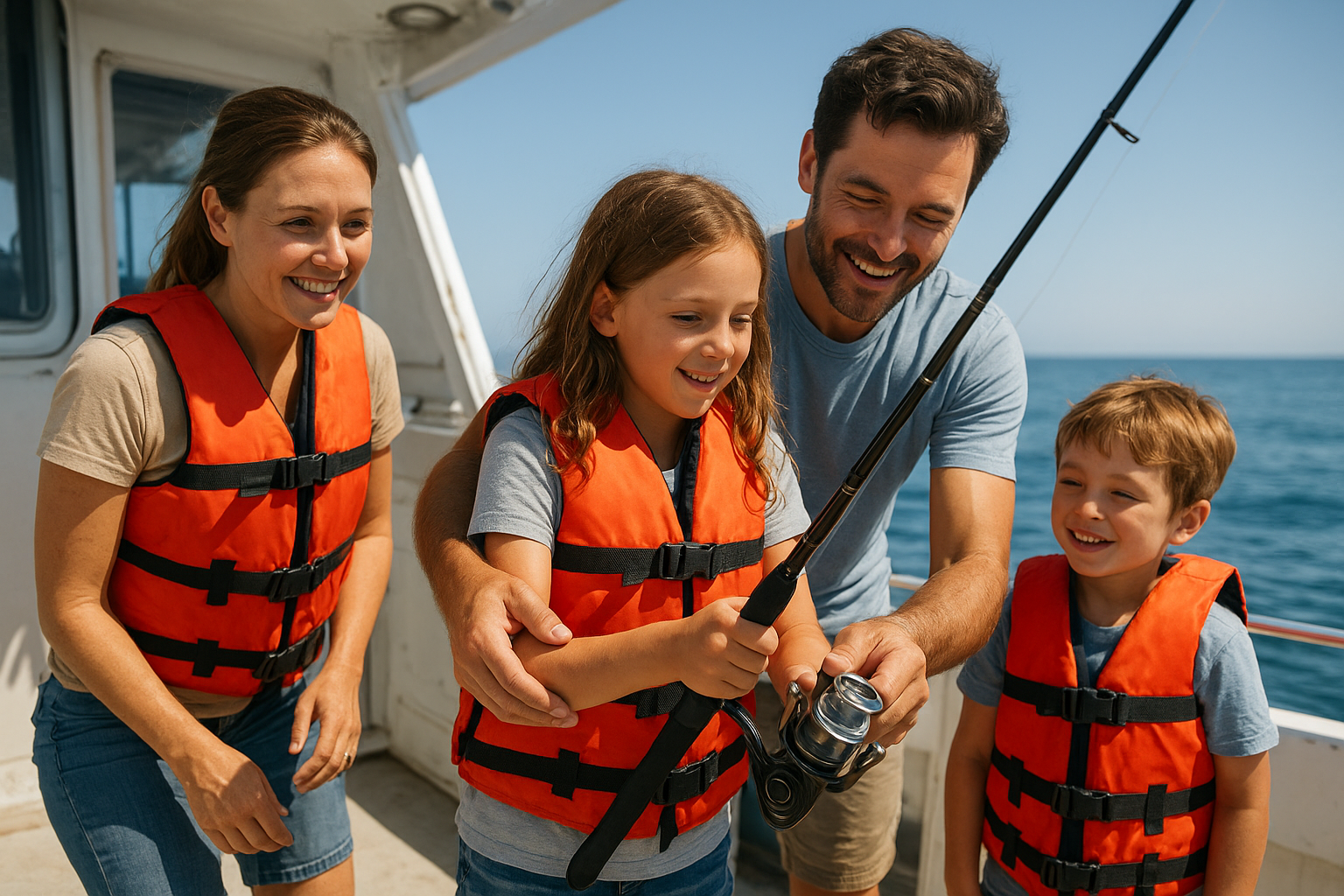
Life jackets and clear guidance from the crew help families fish for sharks with confidence.
Essential Gear and Equipment for Safe Shark Fishing
Proper gear reduces risk for both anglers and sharks. In particular, circle hooks are widely recommended because they tend to catch in the jaw rather than deeper in the throat, which makes release faster and safer for the shark. According to NOAA Fisheries, more than 40 shark species inhabit Atlantic coastal and offshore waters, and several of these, including blacktip and spinner sharks, are commonly encountered along the Carolina coast.
Heavy wire or monofilament leader, gloves, and a long-handled dehooking tool round out the essential setup. Meanwhile, required onboard safety equipment such as life jackets, a first aid kit, and communication devices should always be present and easy to reach.
Because private charters typically include all fishing equipment, tackle, and safety gear, guests rarely need to bring anything beyond sun protection and appropriate footwear. Learn more about what a typical outing includes on this Myrtle Beach shark fishing page.
How to Handle and Release Sharks Safely: A Step-by-Step Guide
Handling a shark boatside is the moment where safety habits matter most. The following process, used by experienced Grand Strand crews, keeps both anglers and sharks safe during catch and release.
- Confirm the species and legal status. The captain identifies the shark and checks whether it can be kept or must be released under current regulations.
- Use appropriately sized tackle and circle hooks. Matching gear to the target species shortens fight time and reduces the risk of injury to the shark.
- Keep the shark in the water whenever possible. Leaving it partially submerged lowers stress on the animal and reduces slipping hazards on deck.
- Handle the leader, never the line. Gloved hands grip the heavy leader instead of the thinner main line to avoid cuts and sudden loss of control.
- Follow the captain’s release instructions exactly. Anglers step back while the crew removes the hook and releases the shark quickly and calmly.
As a result, most sharks swim away strongly within seconds of release, which supports healthy fish populations for future trips.
Weather, Tides, and Conditions That Affect Fishing Safety
Weather and water conditions influence safety just as much as onboard behavior. Specifically, captains track wind speed, swell height, and incoming storms before ever leaving the dock, since offshore conditions can shift quickly near the Gulf Stream. Similarly, tide timing affects both where bait fish concentrate and how strong currents run through inlets and creeks.
Water temperature also plays a role in shark behavior, since many species move closer to shore as coastal waters warm through spring and summer. Consequently, a trip that looks calm on paper can still be postponed if a captain sees unfavorable readings that morning.
In short, trusting the captain’s judgment about conditions, even when it means rescheduling, is one of the most overlooked shark fishing safety tips Myrtle Beach visitors should keep in mind.
Safety Tips for Families and First-Time Shark Anglers
Families and first-time anglers often worry that shark fishing is too intense for children or beginners. However, private charters are typically planned around the group’s comfort level, which means captains can choose calmer nearshore water and smaller shark species for younger guests.
For example, a shorter nearshore trip targeting smaller blacktip or bonnethead sharks gives kids a manageable introduction without the longer ride or rougher seas of an offshore run. In addition, hands-on instruction from the crew helps first-time anglers understand rod handling and hook safety before a shark is ever on the line.
According to the Florida Museum’s International Shark Attack File, unprovoked shark bites remain rare overall, and structured charter fishing carries far less risk than casual wading or swimming near baitfish. You can read a family-focused breakdown on this family shark fishing experience page, or explore planning your ideal shark charter for more guidance.
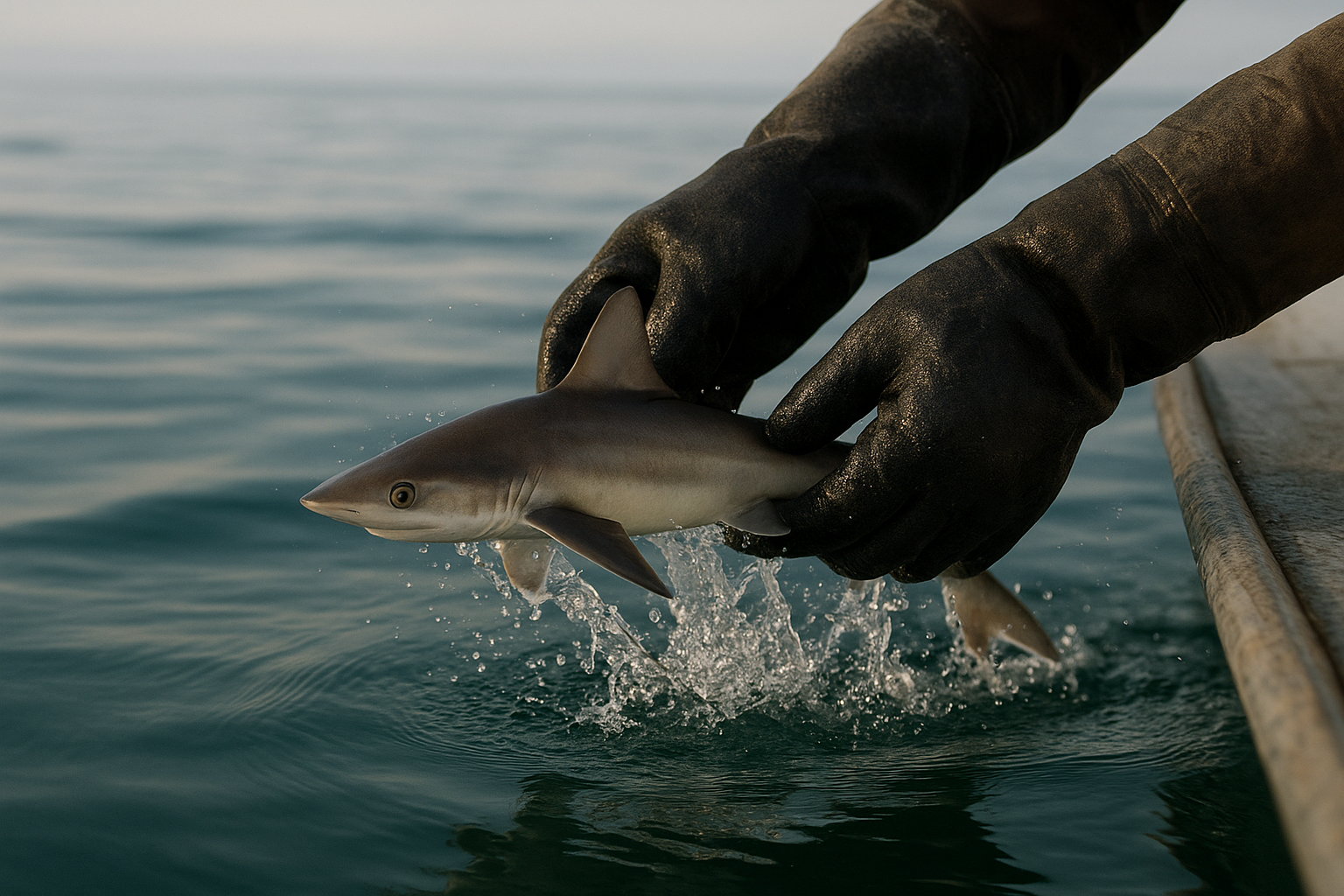
Careful boatside handling helps sharks swim away strong after a safe catch and release.
Frequently Asked Questions About Shark Fishing Safety Tips Myrtle Beach
What are shark fishing safety tips Myrtle Beach anglers should know before booking?
Shark fishing safety tips Myrtle Beach anglers should know include booking with a licensed captain, using properly sized tackle, and keeping the shark in the water whenever possible during release. Following crew instructions and wearing provided safety gear also reduces risk for everyone onboard.
How dangerous is shark fishing for beginners?
Shark fishing is generally low-risk for beginners when guided by an experienced, licensed captain who manages the boat, tackle, and shark handling. Most risk comes from mishandling gear near the shark, which trained crews are equipped to prevent.
What gear does a captain provide for a safe shark fishing trip?
Private charters typically supply rods, reels, circle hooks, wire or heavy leader line, gloves, and required onboard safety equipment such as life jackets. Guests generally do not need to bring their own tackle.
Can children safely go shark fishing in Myrtle Beach?
Yes, children can safely join shark fishing trips when the charter is tailored to their age, comfort, and experience level. Captains often recommend nearshore trips with smaller sharks for younger anglers.
What time of year is safest and best for shark fishing near Myrtle Beach?
Warmer months from late spring through early fall generally bring more consistent shark activity and calmer nearshore conditions. However, captains monitor water temperature and tides daily, since conditions can shift at any time of year.
How much does a private shark fishing charter cost?
Pricing varies by boat size, trip length, and target area, since inshore and offshore shark trips require different vessels and travel time. Guests can request a personalized quote by contacting the charter directly or checking availability online.
What is the difference between inshore and offshore shark fishing safety precautions?
Inshore shark fishing in creeks and the Intracoastal Waterway involves calmer water and smaller species, so precautions focus on hook handling and footing. Offshore trips require additional attention to weather, swells, and larger species near wrecks or the Gulf Stream.
What common mistakes should anglers avoid when shark fishing?
Common mistakes include grabbing the fishing line instead of the leader, standing too close during release, and using tackle that is too light for the target species. Listening closely to the captain’s directions prevents most avoidable accidents.
Do you need a fishing license to shark fish in South Carolina?
Guests booking a private charter typically do not need a separate personal license, since required licenses for charter guests are included with the trip. Anyone fishing independently should confirm current South Carolina licensing requirements.
How long does a typical shark fishing charter last?
Shark fishing charters commonly run between four and eight hours depending on whether the trip stays nearshore or travels farther offshore. Captains help groups choose a trip length that matches their schedule and comfort.
What should I do if a shark is boatside during release?
Anglers should step back, keep hands and feet away from the water’s edge, and let the captain or mate handle the leader and hook removal. Sharks should be released as quickly and calmly as possible.
Are all shark species safe to catch and release?
Most species commonly encountered along the Grand Strand, such as blacktip and sandbar sharks, can be safely caught and released with proper handling. Some species are protected by regulation and must be released immediately without removal from the water.
What safety equipment is required onboard a shark fishing charter?
Required onboard safety equipment generally includes life jackets, a first aid kit, and communication devices, all of which licensed captains carry to meet Coast Guard standards. This equipment is included with every private charter booking.
Final Thoughts on Shark Fishing Safety Tips Myrtle Beach
Ultimately, shark fishing safety tips Myrtle Beach anglers use every day come down to preparation, proper gear, and trust in an experienced crew. From choosing a licensed captain to handling the leader correctly during release, each small habit adds up to a safer, more enjoyable trip on the water.
Whether you are bringing children on their first nearshore trip or planning an offshore run toward the Gulf Stream, applying these precautions protects both your group and the sharks you catch. For further reading on shark biology and behavior, the Wikipedia overview of catch and release fishing offers helpful background.
To put these safety practices into action, explore North Myrtle Beach Fishing Charters and book a private trip guided by a captain with decades of experience on these local waters.