
Deep sea fishing Myrtle Beach trips put you face-to-face with some of the Atlantic’s hardest-fighting game fish, and nothing else on the Grand Strand delivers quite the same rush. Warm currents from the Gulf Stream push marlin, tuna, mahi mahi, and even the occasional shark within reach of local boats, which means a single afternoon offshore can turn into the fish story you tell for years. Whether you have chartered a boat a dozen times or you are ticking “deep sea fishing” off your bucket list for the very first time, Myrtle Beach has a trip built for your skill level and budget. In the sections below, you will find everything the competition leaves out — from choosing a captain and understanding trip types to seasonal timing, licensing rules, seasickness prevention, and a step-by-step booking checklist. Consider this your complete, no-nonsense guide to planning a deep sea fishing Myrtle Beach adventure you will actually be proud to talk about.
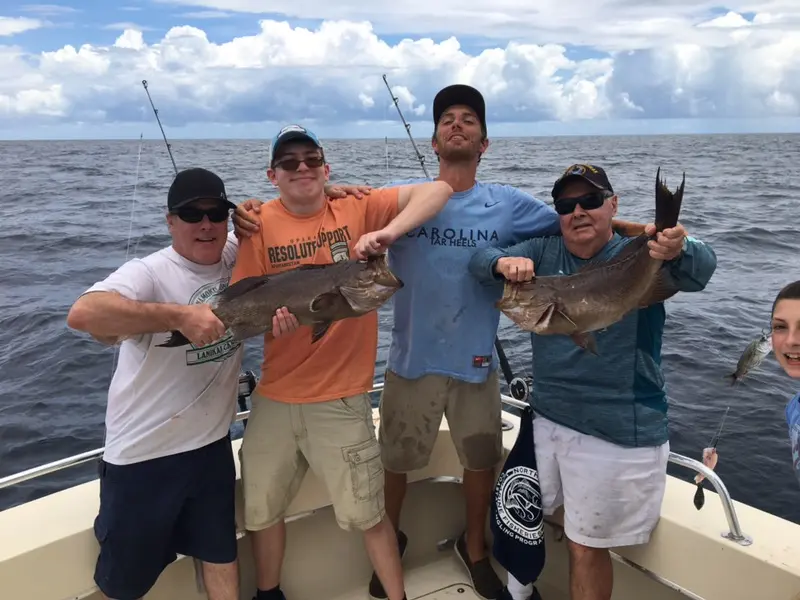
Why Myrtle Beach Is a Top Destination for Offshore Fishing
Myrtle Beach sits in a rare sweet spot on the East Coast. The continental shelf narrows here, so the Gulf Stream, a warm ocean current that flows up from the Gulf of Mexico, runs closer to shore than in most other states. As a result, boats do not have to travel as far to reach blue water, where the big pelagic species live. In addition, the region’s mix of nearshore reefs, artificial wrecks, and offshore canyons means a single charter can target bottom-dwellers and open-water gamefish in the same trip. For a deeper look at why this stretch of coastline is considered the ultimate destination for deep sea fishing, local captains will tell you it comes down to consistency — the fish are here nearly year-round, not just during a short summer window.
Above all, Myrtle Beach offers variety. You can book a two-hour nearshore trip with the kids, a full-day offshore run chasing wahoo, or a private charter built entirely around your personal wish list. Consequently, no two deep sea fishing Myrtle Beach trips look exactly alike, which is part of what keeps anglers coming back season after season.
Understanding the Different Types of Fishing Charters
Before you book anything, it helps to understand exactly what kind of trip you are signing up for. Charters generally fall into a few categories, and picking the wrong one is the single most common regret first-time anglers report.
Half-Day vs. Full-Day Charters
Half-day trips typically run four to six hours and stay closer to shore, targeting species like king mackerel, Spanish mackerel, and sea bass. They are budget-friendly and ideal for beginners or families who do not want to spend an entire day on the water. Full-day trips, on the other hand, push out to deeper canyon waters where marlin, tuna, wahoo, and mahi mahi roam. These trips usually run eight to twelve hours and cost more, but they offer the best shot at trophy-sized catches. If you are unsure which length fits your group, our deep sea fishing in Myrtle Beach, South Carolina overview breaks down what each trip length realistically delivers.
Private Charters vs. Party (Head) Boats
Party boats, sometimes called head boats, sell individual tickets and can carry dozens of anglers at once. They are affordable and social, but you will share rods, space, and the captain’s attention with strangers. Private charters, in contrast, are booked by your group alone, meaning the crew tailors the trip to your goals, whether that is landing a personal-best catch or simply giving young kids a comfortable, low-pressure introduction to the sport. Families in particular tend to prefer private charters; our guide to a family-friendly deep sea fishing experience explains why smaller, private groups usually mean happier kids and calmer parents.
Best Time of Year for Deep Sea Fishing in Myrtle Beach
Timing matters more than most first-time anglers realize. Spring, from April through June, brings king mackerel and cobia within reach of nearshore boats as waters warm. Summer, from June through September, is peak season for mahi mahi, wahoo, and billfish out in the blue water, though afternoon thunderstorms can occasionally shorten trips. Fall offers arguably the most comfortable conditions of the year, with cooler air temperatures and strong bites from red drum and Spanish mackerel. Meanwhile, winter is quieter overall, but sea bass and black drum fishing remains productive for anglers willing to bundle up. In short, there is no true “off season” for deep sea fishing Myrtle Beach charters — only a shifting lineup of target species depending on the month you book.
How to Choose the Best Deep Sea Fishing Myrtle Beach Charter
With dozens of operators competing for your business, narrowing down the right one takes a little homework. The following tips will help you separate the charters worth booking from the ones worth skipping.
Tip 1: Research Charters Thoroughly Online
Start with a simple search for “deep sea fishing charter in Myrtle Beach” and resist the urge to book the very first result. Instead, read reviews across multiple platforms such as Google and TripAdvisor, since patterns across dozens of reviews tell you far more than any single glowing testimonial. Furthermore, check the charter’s own website for photos of the boat, crew, and recent catches. Active, current social media accounts are usually a good sign because they show a business confident enough to showcase real trips rather than stock photography.
Tip 2: Assess Safety Measures and Equipment
Safety should always come first when picking a charter. Reputable operators carry life jackets for every passenger, emergency signaling devices, fire extinguishers, and a stocked first aid kit. In addition, ask about crew training and whether the vessel holds current safety inspections through the U.S. Coast Guard. If a captain seems vague or dismissive when you raise safety questions, treat that as a warning sign and keep looking elsewhere.
Tip 3: Check Reviews and Testimonials Carefully
Reviews reveal what marketing copy never will. Look specifically for repeated comments about the crew’s knowledge, the boat’s cleanliness, and how the captain handled slow bite days. One negative review rarely means much on its own; however, a consistent pattern of complaints about equipment or communication is a signal worth taking seriously before you hand over a deposit.
Tip 4: Compare Costs and What Is Actually Included
The lowest price is not automatically the best value. Some charters bundle gear, bait, fishing licenses, and fuel surcharges into a single fee, while others charge extra for each item. Therefore, always ask for a full breakdown before comparing two quotes side by side. A slightly higher price that includes premium tackle, an experienced mate, and drinks on board often ends up being the smarter choice.
Tip 5: Evaluate the Crew’s Experience and Local Knowledge
A captain who has fished these waters for years knows exactly where the fish are holding on any given day, which is something no amount of expensive equipment can replace. Ask about years on the water, notable catches, and familiarity with your preferred fishing style. Ultimately, a skilled crew is the difference between a decent trip and a genuinely great one.
Bonus Tip: Match the Charter to Your Target Species
Not every charter specializes in the same fish. Some captains focus on trolling for marlin and tuna, while others prefer bottom fishing for snapper and grouper. As a result, it pays to ask directly what species are currently biting and whether the crew’s specialty lines up with your fishing goals. For a deeper walkthrough, see our Deep Sea Fishing Charters Myrtle Beach guide, which covers specialty trips in more detail.
Common Fish Species You Can Catch Offshore
Myrtle Beach’s offshore waters teem with variety, so knowing what swims beneath the surface makes the wait between bites far more exciting.
- King Mackerel: A hard-fighting favorite prized for its speed and stamina near the surface.
- Mahi Mahi (Dolphin Fish): Known for vivid colors and excellent table fare, often found near floating debris offshore.
- Red Drum: A stubborn, powerful fighter and a Myrtle Beach staple in nearshore and inlet waters.
- Sea Bass: Found near the bottom around reefs and wrecks, ideal for anglers wanting a hearty haul.
- Flounder: A local favorite with a distinctive shape and delicate, flaky flesh.
- Cobia: A powerful, curious fish that often follows the boat before striking bait.
- Wahoo and Yellowfin Tuna: Deep-water speedsters that reward anglers willing to run further offshore.
The NOAA Fisheries recreational fishing guidelines offer a helpful reference if you want to understand seasonal catch limits for these species before you head out.
What to Bring on Your Offshore Fishing Trip
Packing correctly makes the difference between an enjoyable trip and a miserable one. At minimum, bring sunscreen, polarized sunglasses, and layered clothing, since temperatures can shift noticeably once you leave the harbor. A wide-brimmed hat and non-slip shoes are equally important, as boat decks get wet and slippery fast. In addition, pack snacks and water to stay energized, and confirm with your captain ahead of time whether fishing gear and licenses are already included. Finally, bring a camera or phone, because you will want proof of that trophy catch.
Seasickness Prevention Tips
Seasickness is a common concern, especially on longer offshore trips. To reduce your risk, take an over-the-counter motion sickness remedy the night before and again the morning of your trip, rather than waiting until you feel unwell. Eating a light meal beforehand, staying hydrated, and keeping your eyes on the horizon instead of your phone screen all help settle your stomach. Similarly, standing near the center of the boat, where movement is less pronounced, tends to reduce discomfort compared to standing near the bow or stern.
Fishing Regulations and Licenses in South Carolina
Most licensed charters cover fishing licenses for their passengers as part of the trip cost, but it is always worth confirming before you book. South Carolina enforces size and bag limits on several species to protect fish populations for future seasons, and these rules are outlined by the South Carolina Department of Natural Resources. Consequently, a reputable captain will already know the current regulations and will keep your catch within legal limits automatically, so you can focus on fishing instead of paperwork.
How to Book Your Deep Sea Fishing Myrtle Beach Trip in 5 Steps
Once you know what type of trip you want, booking is straightforward. Follow this checklist so nothing slips through the cracks.
- Decide on your trip type and target species — choose between a half-day nearshore trip or a full-day offshore run based on the fish you most want to catch and the time you can commit.
- Compare at least three charters — review pricing, inclusions, boat photos, and recent customer feedback before narrowing your choice down to a single operator.
- Confirm safety certifications and crew experience — ask directly about Coast Guard inspections, onboard safety equipment, and how many years the captain has fished these waters.
- Reserve your spot with a deposit — most charters require a deposit to hold your date, so book early during peak summer months when availability disappears quickly.
- Prepare your gear and arrive early — pack sunscreen, snacks, and appropriate clothing, then arrive at the dock at least fifteen minutes before departure for a safety briefing.
For a complete walkthrough of every stage of the process, our ultimate guide to deep sea fishing charters in Myrtle Beach, South Carolina expands on each of these steps with additional booking advice.
Frequently Asked Questions About Deep Sea Fishing Myrtle Beach
How far offshore do you need to go for deep sea fishing Myrtle Beach trips?
Most nearshore trips stay within a few miles of the coast, while full-day offshore charters often travel 40 to 60 miles out to reach the Gulf Stream and deep-water canyons where marlin and tuna feed.
Do I need a fishing license to go deep sea fishing in Myrtle Beach?
Generally, no. Licensed charter boats hold a group license that covers all passengers on board, though it is always smart to confirm this detail directly with your captain before departure.
What should I wear on a deep sea fishing charter?
Wear layered, breathable clothing, non-slip closed-toe shoes, and bring a hat and polarized sunglasses. Conditions can feel warmer near shore but noticeably cooler and windier once you reach open water.
How much does deep sea fishing cost in Myrtle Beach?
Prices vary widely depending on trip length and boat type. Half-day party boat seats tend to be the most affordable option, while full-day private charters cost more but include a dedicated crew and premium tackle.
Is deep sea fishing safe for children and first-timers?
Yes, provided you choose a reputable charter with proper safety equipment and an experienced crew. Many operators specialize in family-friendly trips designed specifically to keep younger anglers comfortable and engaged.
What is the best month for deep sea fishing Myrtle Beach trips?
Late spring through early fall generally offers the widest variety of species and the calmest offshore conditions, though experienced anglers fish successfully here in every season of the year.
Conclusion: Making the Most of Your Deep Sea Fishing Myrtle Beach Experience
Choosing the right charter can make or break your deep sea fishing Myrtle Beach adventure, so take the time to research crews, compare pricing honestly, and confirm safety credentials before you commit. Above all, remember that this trip is about more than filling a cooler — it is about the memories made on the water with people you care about. Focus on experienced captains, clear communication, and a trip type that matches your goals, and you will walk away with far more than a great catch. For additional planning resources, browse our full ultimate guide to deep sea fishing in Myrtle Beach. The ocean is waiting — go make your story.
Leave a Reply