
Hands-on fishing instruction North Myrtle Beach trips give beginners, families, and curious anglers a guided, practical way to learn real fishing skills directly on the water. Instead of reading about knots or casting technique, you practice each skill under the direct supervision of a licensed captain who adjusts the lesson to your pace. Whether you have never held a rod or want to sharpen specific techniques, these private lessons blend coaching with an actual fishing charter experience along the Grand Strand. As a result, a day on the water can turn into a lasting skill rather than a one-time memory.
Quick answer: Hands-on fishing instruction North Myrtle Beach charters pair a private boat trip with step-by-step coaching in casting, knot-tying, bait rigging, and fish handling, led by a U.S. Coast Guard–licensed captain. Lessons are tailored to the group’s experience, from first-time anglers to those refining specific techniques, as shown on the North Myrtle Beach Fishing Charters trip pages.
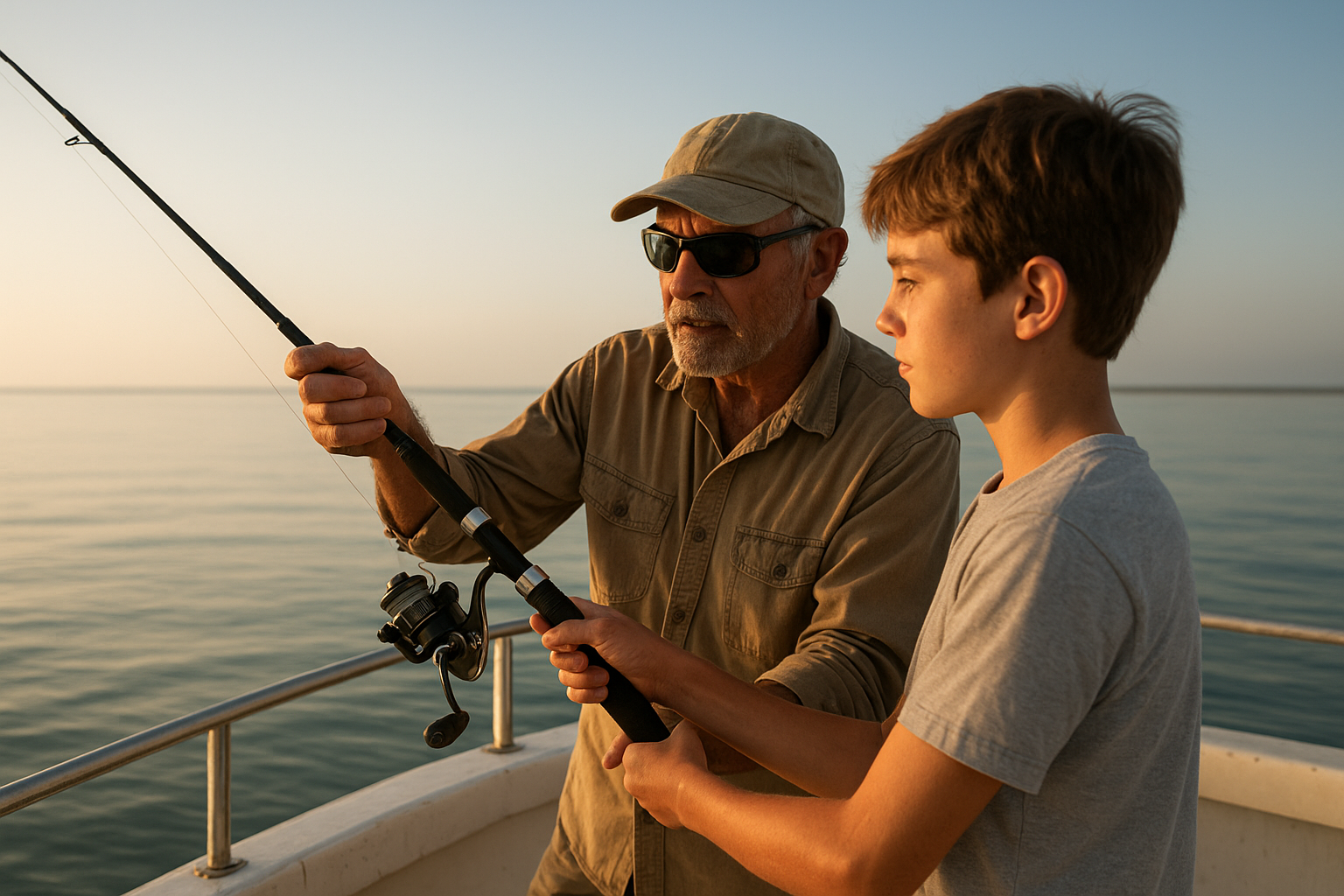
Hands-on fishing instruction North Myrtle Beach charters let guests practice casting directly with a licensed captain.
What Is Hands-On Fishing Instruction North Myrtle Beach?
Hands-on fishing instruction North Myrtle Beach is a private charter format where coaching happens in real time, on the water, rather than through lectures or videos beforehand. Specifically, it means a captain teaches casting, rigging, and fish-fighting technique while you are actively using the equipment. In contrast to a standard head boat, where crew members mainly bait hooks and net fish for passengers, this approach keeps you involved in every step.
Because every trip is private, the captain can slow down for a nervous first-timer or move faster for someone polishing an existing skill. Furthermore, instruction is woven into inshore, nearshore, offshore, and Gulf Stream trips alike, so the format adapts to whichever waters suit your group’s time and comfort level.
Why Families and Beginners Choose Private Fishing Lessons
Many guests choose private fishing lessons over shared trips because attention is not divided among strangers. For example, a parent teaching a child to fish for the first time benefits from a captain who can focus entirely on that one rod, that one cast, and that one teachable moment. Similarly, adult beginners often feel more comfortable asking questions and making mistakes without an audience of unfamiliar anglers.
Above all, private instruction allows the trip to be planned around the people aboard. A captain considers your group’s experience, interests, and available time, then adjusts the plan rather than running a fixed, one-size-fits-all route. Families interested specifically in younger anglers can review kids fishing lessons options, while adults looking to build broader skill can explore expert fishing tips for all skill levels before booking.
In addition, private lessons tend to reduce pressure. There is no competition for rod time, and the pace of the day is set by the group rather than a boat schedule built around multiple paying parties.
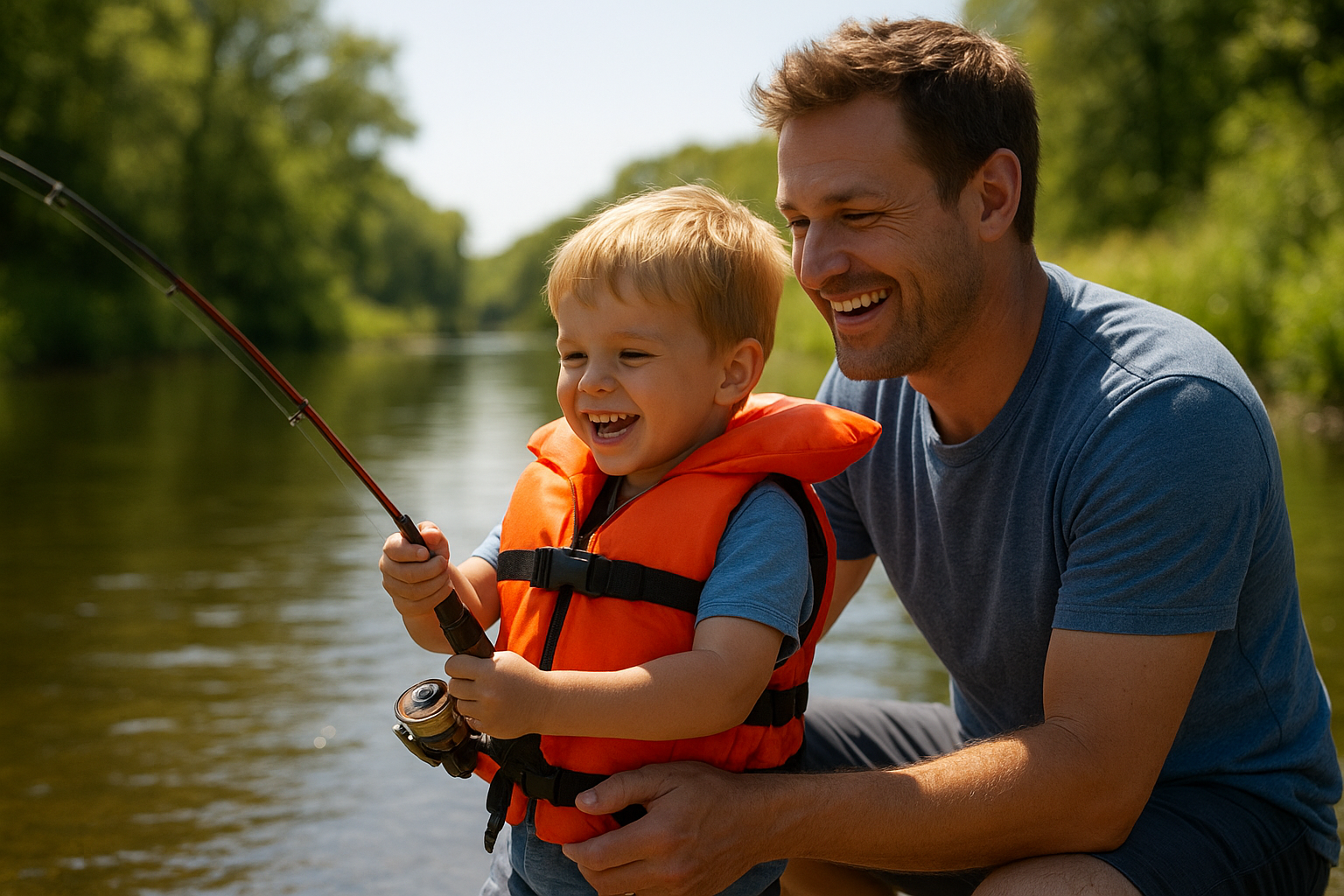
Kids fishing lessons combine patience, calm water, and close coaching from a licensed captain.
How Hands-On Fishing Instruction Works
Although every trip varies slightly by boat and species, the teaching process generally follows a consistent sequence. Understanding these steps in advance helps set expectations for what your day on the water will actually look like.
- Discuss goals and experience. Before the trip, the captain asks about your group’s experience level, physical comfort, and specific goals so the lesson plan matches real needs on the water.
- Review safety and equipment basics. At the dock or start of the trip, the captain walks guests through required safety gear, rod handling, and basic boat orientation before any casting begins.
- Practice casting technique. Guests practice casting under direct supervision, with the captain correcting grip, timing, and release to build a repeatable, accurate cast.
- Learn rigging and knot-tying. The captain demonstrates bait rigging and essential fishing knots for the target species, then guides guests through tying and rigging their own lines.
- Apply skills while actively fishing. With basics covered, the group fishes live water while the captain gives real-time feedback on technique, bite detection, and hook-setting as fish respond.
- Review fish handling and release. Before heading back, the captain reviews safe fish handling, measuring, and release practices so guests understand proper care for the species caught that day.
Choosing the Right Fishing Instruction Charter for Your Group
Selecting the right trip starts with honest expectations about time, comfort, and goals. Inshore and backwater instruction, for instance, takes place in protected creeks, marshes, and the Intracoastal Waterway, which typically means calmer water and shorter travel times. Consequently, this setting often works well for children, first-time anglers, or anyone prone to motion sensitivity.
Nearshore and offshore instruction, on the other hand, covers open water, wrecks, and sometimes the Gulf Stream, which suits guests ready for longer runs and bigger species. Therefore, matching the trip type to your group’s comfort level matters as much as matching it to the fish you hope to catch. For a broader comparison of formats, the fishing instruction options in Myrtle Beach page outlines how inshore, nearshore, and offshore lessons differ in pacing and skill focus.
Because select boats accommodate up to six guests inshore and larger vessels handle up to fifteen, group size also shapes which boat and trip type fit best. Multiple boats can be coordinated for larger parties, which is worth mentioning when booking a corporate outing or multi-family trip.
Best Times to Learn to Fish in North Myrtle Beach
Timing affects both comfort and what you are likely to encounter on the water. According to the NOAA Fisheries service, many coastal species along the South Atlantic shift inshore and nearshore during warmer months, which generally widens the range of fish available for instruction trips from spring through fall. Captains track water temperature, tides, and bait movement daily rather than relying on a fixed calendar, since conditions can shift quickly along the Grand Strand.
Meanwhile, early morning and late afternoon trips often provide calmer water and more consistent bite activity, which tends to make learning easier for beginners. Still, specific species, catch quantities, and offshore access are never guaranteed, and a good captain will explain this honestly rather than overpromise results.
What’s Included and What to Bring
Charters built around hands-on fishing lessons typically include the captain, rods, reels, bait, tackle, required onboard safety equipment, and fishing licenses for guests aboard. As a result, guests generally do not need to purchase or bring their own gear. The South Carolina Department of Natural Resources outlines state licensing requirements for recreational anglers, though charter guests are typically covered under the trip itself.
On the guest side, sunscreen, polarized sunglasses, non-marking boat shoes, and water or light snacks make the day more comfortable. In particular, layered clothing helps since mornings on the water can feel cooler than they look from shore, even in warmer months.
Learning to Fish North Myrtle Beach: Tips From Licensed Captains
Recreational fishing, as described on Wikipedia, rewards patience and repetition more than raw strength, which is exactly why hands-on coaching makes such a difference for new anglers. Captains with decades of local experience often emphasize a few habits early: relaxing the grip on the rod, casting with a smooth motion rather than force, and watching the line closely instead of the horizon.
Specifically, beginners who focus on these small adjustments tend to progress faster than those left to experiment alone. For additional technique guidance beyond a single trip, guests can review expert fishing tips for all skill levels, and parents considering a trip for children often find it helpful to read how instruction is adapted for younger guests in the kid-friendly charter FAQ.
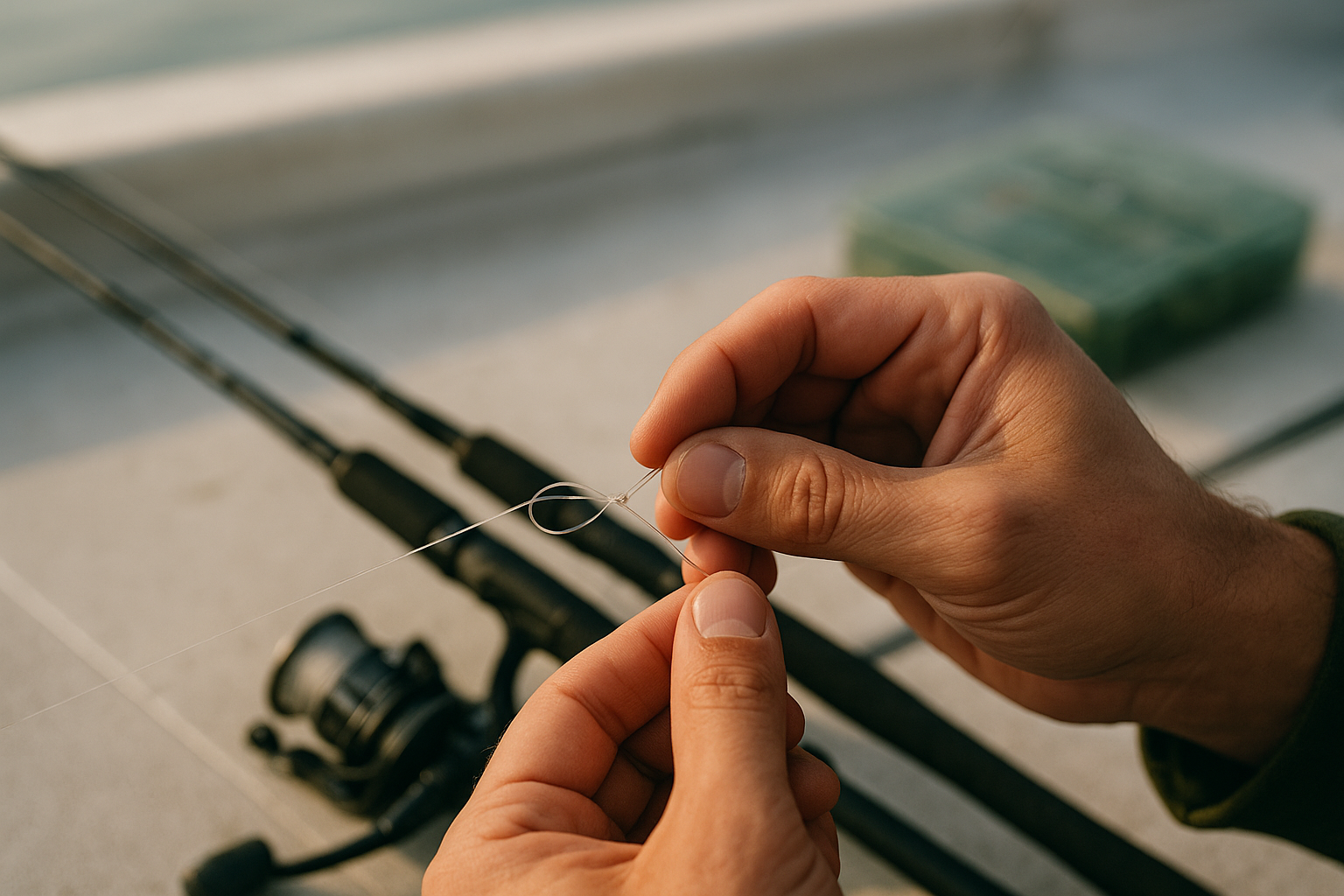
Knot-tying is one of the core skills covered during a hands-on fishing lesson.
Ready to Book a Hands-On Fishing Lesson?
Booking ahead of time helps the captain plan the right boat, timing, and location for your group’s goals. Guests can book online or reach out by phone or text for help choosing between inshore, nearshore, or offshore instruction formats. For groups ready to move forward, the hands-on fishing lessons booking page lists current trip options and availability.
Frequently Asked Questions
What is hands-on fishing instruction North Myrtle Beach?
Hands-on fishing instruction North Myrtle Beach is a private charter trip where a licensed captain teaches casting, knot-tying, bait rigging, and fish handling in real time while you fish local waters. It combines coaching with an actual fishing experience rather than classroom-style lessons.
How long do fishing lesson charters last?
Most instruction-focused charters run three to six hours, depending on the trip type and how much time your group needs to practice. Inshore lessons are often shorter, while offshore instruction trips typically run longer.
Why choose private instruction over a shared head boat?
Private instruction means the captain’s attention is focused entirely on your group instead of being divided among strangers. This allows pacing, technique corrections, and trip planning to match your exact skill level and goals.
What’s included in a hands-on fishing lesson?
Charters include the captain, rods, reels, bait, tackle, required safety equipment, and fishing licenses for guests aboard. Instruction in casting, rigging, and fish handling is built into the trip itself.
Do I need my own fishing license for a lesson?
No, required fishing licenses for charter guests are provided as part of the trip. You do not need to purchase a separate license before booking.
How much does fishing instruction cost in North Myrtle Beach?
Pricing depends on the trip type, boat size, and trip length, since inshore, nearshore, and offshore instruction charters are priced differently. Contacting the charter directly or checking the online booking system provides exact current rates.
What age is appropriate for kids’ fishing lessons?
Trips are planned around the group’s comfort and experience, so young children and first-time anglers can be matched to calmer inshore waters. Captains adjust pacing and techniques to keep lessons engaging for younger guests.
What’s the difference between inshore and offshore instruction trips?
Inshore instruction happens in protected creeks, marshes, and the Intracoastal Waterway, which tends to suit beginners and families. Offshore instruction trips cover open water and wrecks, often appealing to anglers ready for bigger species and longer runs.
What should I bring on a fishing instruction charter?
Sunscreen, sunglasses, non-marking shoes, and water or snacks are recommended for comfort. Because tackle, bait, and safety gear are provided, guests do not need to bring fishing equipment.
What common mistakes do beginners make when learning to fish?
New anglers often grip the rod too tightly, rush their casts, or set the hook too hard, which can cause lost fish. Hands-on coaching during the trip corrects these habits immediately instead of letting them become ingrained.
What’s the best time of year for fishing instruction in North Myrtle Beach?
Spring through fall generally offers the widest range of inshore and nearshore species and comfortable conditions for learning. Captains monitor seasonal patterns and water temperature to recommend the best timing for your specific trip goals.
How do I book a hands-on fishing lesson?
Guests can book directly through the online reservation system or contact the charter by phone or text for help choosing a trip. Describing your group’s experience level and goals helps the captain recommend the right instruction charter.
Can experienced anglers benefit from instruction too?
Yes, experienced anglers often use instruction trips to refine specific techniques, learn new local patterns, or practice targeting unfamiliar species. Captains tailor coaching to the skill level aboard rather than offering only beginner content.
What safety measures are in place during lessons?
Trips are operated by U.S. Coast Guard–licensed captains and include required onboard safety equipment for every guest. Captains also factor in weather, tides, and sea conditions before deciding where and how to run each trip.
Final Thoughts
Ultimately, hands-on fishing instruction North Myrtle Beach trips offer a practical way to build real skill rather than simply watching someone else fish. Because every lesson is private and shaped around your group’s experience and comfort, the pace stays manageable whether you are teaching a child to cast for the first time or sharpening your own technique after years away from the water. With licensed captains planning each trip around current tides, weather, and seasonal patterns, guests get coaching grounded in decades of local knowledge rather than generic instruction. If you are ready to turn a day on the water into lasting skill, booking a private lesson is the natural next step.