
Deep sea fishing charters in Murrells Inlet give anglers of every skill level direct access to the open Atlantic, where bottom structure, live bait, and deeper water hold species that rarely show up inshore. For visitors planning a trip to the Grand Strand, choosing the right boat, captain, and trip length matters just as much as the fishing itself. Specifically, this guide walks through what a deep sea charter actually includes, how it compares to nearshore and Gulf Stream trips, and the steps worth taking before you book, so your day on the water matches your group’s goals and comfort level.
Quick Answer: Deep sea fishing charters in Murrells Inlet are private boat trips that run several miles offshore, typically 20 to 40+ miles, targeting bottom fish and pelagic species in deeper Atlantic waters. Trips generally run 6 to 10 hours, include a licensed captain, tackle, bait, and safety gear, and are priced by boat and trip length rather than per angler.
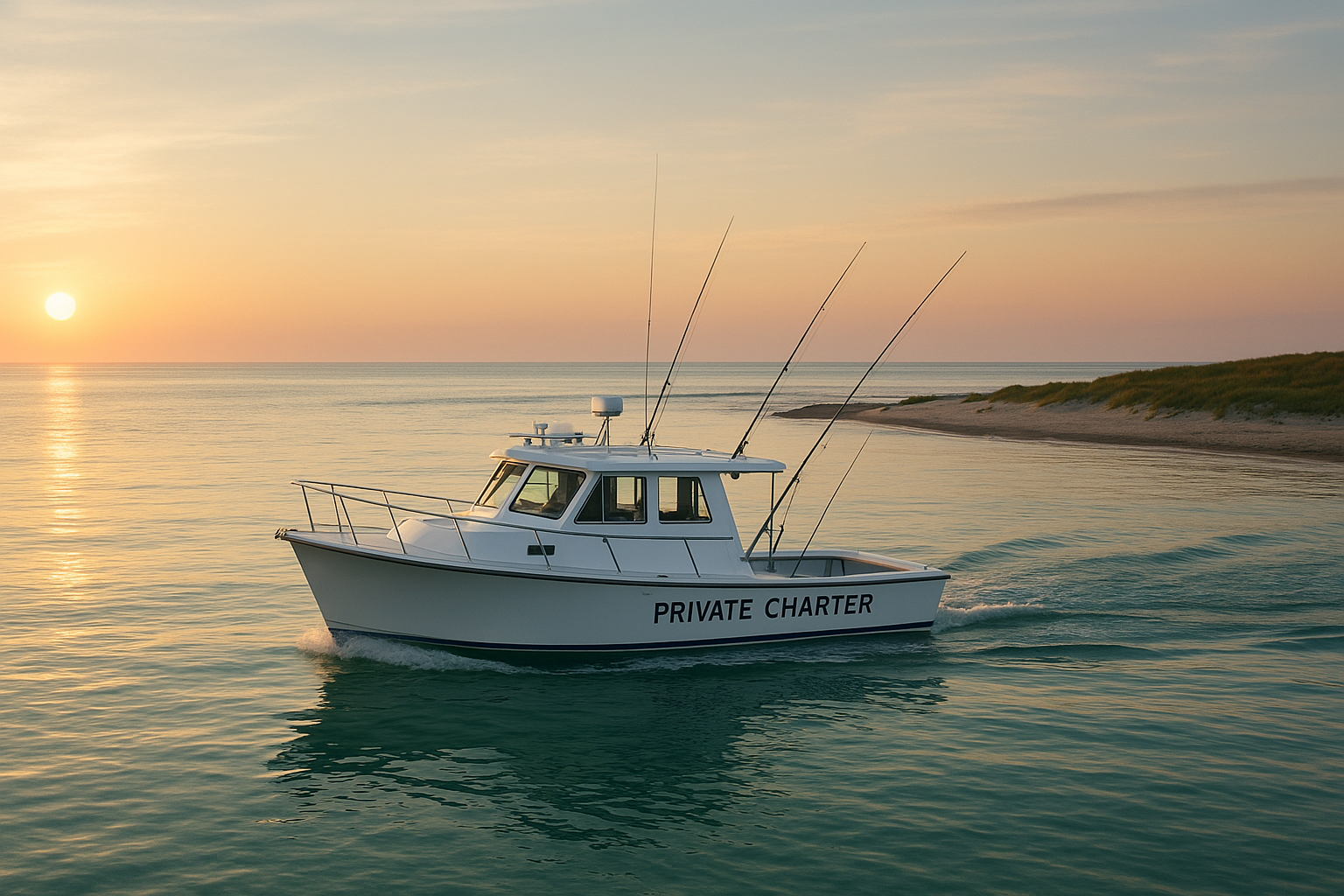
Deep sea fishing charters in Murrells Inlet typically depart early to reach offshore structure before the day heats up.
What Is a Deep Sea Fishing Charter in Murrells Inlet?
A deep sea fishing charter is a private boat trip, booked exclusively for your group, that travels well beyond the surf line into open Atlantic waters. Unlike shared head boats where strangers split space along a rail, every seat belongs to your party. As a result, the captain can adjust the plan around your group’s pace, experience level, and interests rather than following a fixed itinerary built for a crowd.
Because these trips run farther offshore than inshore or nearshore outings, they reach wrecks, reefs, and live bottom where bottom-dwelling species concentrate. Consequently, deep sea trips tend to appeal to anglers who want a fuller day on the water and a shot at larger, less commonly caught fish.
How Deep Sea Trips Compare to Nearshore and Inshore Options
Not every group needs a full deep sea run, so it helps to understand how the options differ. Inshore and backwater trips stay within protected creeks, marshes, and the Intracoastal Waterway, which keeps the water calmer and the ride shorter. These trips often suit families with young children or anglers who prefer a gentler introduction to fishing.
Nearshore trips sit between the two, venturing a short distance into the ocean without the longer run of a true deep sea or Gulf Stream trip. In contrast, offshore and deep sea charters travel farther out, while Gulf Stream trips go the farthest of all, chasing the warm current itself in search of pelagic species like mahi-mahi. Therefore, matching the trip type to your group’s tolerance for open water and longer travel time is one of the most important early decisions.
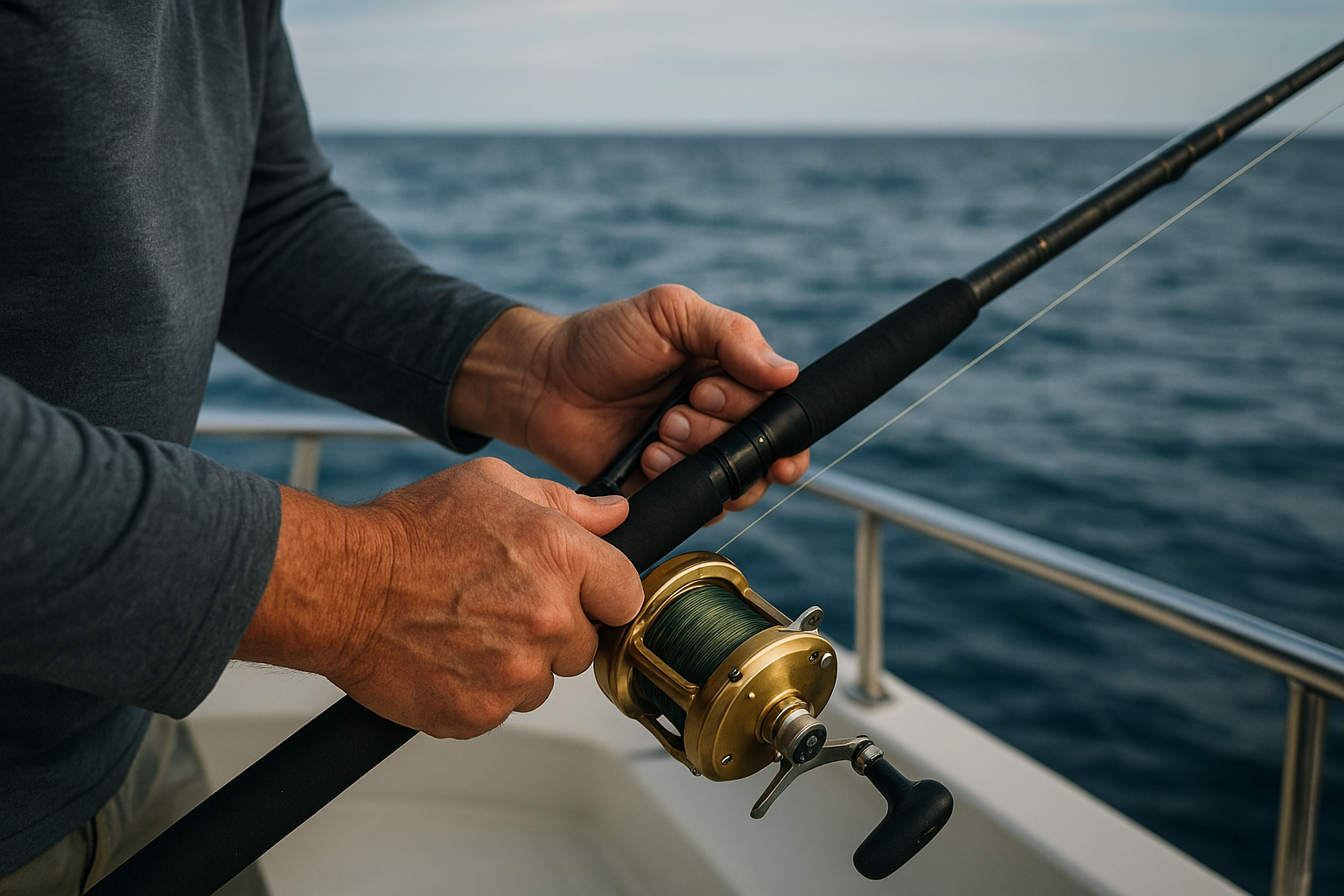
Reeling in a catch after a long run offshore is part of what draws anglers back to deep sea trips.
Choosing the Right Deep Sea Fishing Charters in Murrells Inlet
When comparing deep sea fishing charters in Murrells Inlet, start with group size and comfort on the water rather than price alone. For example, a party of four experienced anglers might prioritize a longer Gulf Stream run, while a mixed group with children may do better with a shorter, closer trip. Additionally, ask how the captain plans trips around tides, wind, and water temperature, since these factors shape where the boat goes each day far more than a fixed schedule would.
It’s also worth asking directly about boat capacity. Select larger charter boats can accommodate up to 15 guests, and multiple boats can be coordinated for bigger parties such as family reunions or corporate outings. For a closer look at how local trips are structured for this exact area, this private Murrells Inlet fishing charter guide breaks down options by group type.
What’s Included on an Offshore or Gulf Stream Fishing Trip
Most private charters, including deep sea and Gulf Stream trips, include the captain, rods and reels, bait, tackle, hands-on instruction, required fishing licenses for charter guests, and onboard safety equipment. Consequently, guests typically don’t need to bring their own gear or buy a separate state fishing license before stepping aboard.
That said, specifics can vary by boat and trip length, so it’s reasonable to confirm details like cooler policies, restroom facilities, and what happens if weather forces a reschedule. According to the NOAA Fisheries South Atlantic snapper-grouper complex overview, more than 50 managed species fall under federal regulation in these waters, which is one reason experienced captains track current rules closely before planning a trip.
Steps to Book a Private Deep Sea Charter
Booking a charter is straightforward once you know what to compare. The steps below outline a practical approach for first-time and returning guests alike.
- Define your group’s goals and experience level. Decide whether your group wants a relaxed day targeting bottom fish or a longer run toward the Gulf Stream for pelagic species, since this shapes which boat and trip length fit best.
- Compare boat size and trip length. Review available boats to confirm how many guests each one safely accommodates and how long each trip option runs, since inshore and offshore boats differ in size and layout.
- Confirm what’s included before booking. Ask whether tackle, bait, required licenses, and safety equipment are included so there are no surprises, and clarify any food, drink, or cooler policies ahead of time.
- Check weather and rescheduling policies. Talk with the captain about how tides, wind, and sea conditions might affect the trip date, and understand the process for rescheduling if conditions turn unsafe.
- Book online or contact the charter directly. Reserve your preferred date and boat through the online booking system, or call or text the charter team if you need help choosing the right trip for your group.
Best Time of Year for Offshore Fishing Near Murrells Inlet
Seasonal patterns play a significant role in what deep sea trips can target. Generally speaking, late spring through early fall tends to bring more stable sea conditions and wider species activity along this stretch of coast. However, water temperature and bait movement shift from year to year, so a captain’s read on current conditions matters more than a calendar date alone.
In particular, warmer months often align with better access to Gulf Stream waters, while cooler months may shift attention closer to shore. Since specific species, catch quantities, and offshore access are never guaranteed, flexibility around timing tends to pay off for anglers chasing a particular target.
Meet the Captains Behind These Trips
North Myrtle Beach Fishing Charters LLC was founded by Captain Keith Logan in 1991, bringing more than 40 years of firsthand experience fishing these local waters. Today, a team of U.S. Coast Guard–licensed captains carries that same local knowledge onto every private trip. For instance, Captain Gary Maruszak and Captain Jim both run trips tailored to groups ranging from first-time anglers to seasoned offshore fishermen.
Because licensing is handled through the U.S. Coast Guard, guests can expect a baseline level of training and safety compliance on every trip. To see how past guests describe the overall experience, this Murrells Inlet charter experience overview covers what typically makes a trip stand out.
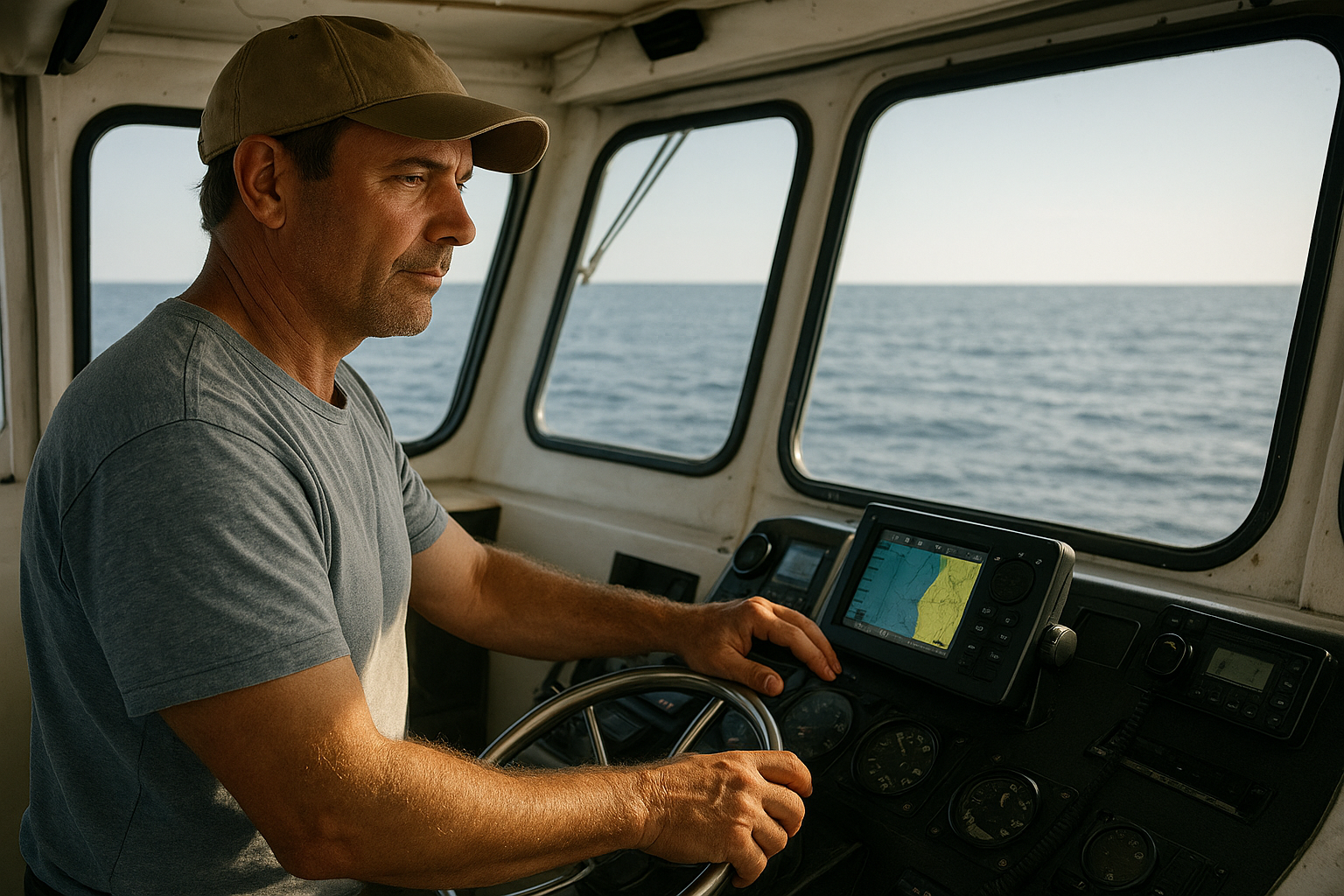
Licensed captains track tides, wind, and water temperature before every deep sea trip.
Species and Waters Covered on Local Trips
Catch variety depends heavily on season, water temperature, and bait presence, so no two trips look exactly alike. Still, bottom structure off this stretch of coast regularly holds species like black sea bass, snapper, and grouper, while mackerel and occasional pelagic species show up depending on conditions. For a closer breakdown of what anglers commonly encounter on these waters, the deep sea fishing species guide covers seasonal expectations in more detail.
Meanwhile, the Gulf Stream itself, a warm ocean current described in detail on Wikipedia’s Gulf Stream overview, continues to shape which pelagic species move within reach of longer offshore trips each season. Similarly, South Carolina’s saltwater fishing regulations, maintained by the South Carolina Department of Natural Resources, influence which species can be kept during a given trip.
Frequently Asked Questions About Deep Sea Fishing Charters in Murrells Inlet
What is a deep sea fishing charter?
A deep sea fishing charter is a private boat trip that runs several miles into the Atlantic Ocean, beyond nearshore reefs, to target bottom fish and open-water species. The captain, tackle, bait, and safety gear are typically included in the trip price.
How long do deep sea fishing charters in Murrells Inlet typically run?
Deep sea fishing charters in Murrells Inlet usually run between 6 and 10 hours, depending on the boat, distance to the fishing grounds, and sea conditions. Longer Gulf Stream trips may extend beyond that window based on weather and travel time.
How far offshore do deep sea trips in Murrells Inlet go?
Most deep sea trips travel roughly 20 to 40 miles offshore to reach live bottom structure and wrecks. Gulf Stream trips go farther still, often 50 miles or more, to reach warmer blue water.
What’s the difference between deep sea fishing and Gulf Stream fishing?
Deep sea fishing generally targets bottom structure in continental shelf waters, while Gulf Stream trips travel farther to reach the warm current itself in search of pelagic species. Gulf Stream trips require more running time and are typically weather-dependent.
What’s the difference between deep sea fishing and inshore fishing?
Inshore fishing happens in protected creeks, marshes, and the Intracoastal Waterway, while deep sea fishing takes place miles offshore in open ocean water. Inshore trips tend to be calmer and better suited to beginners or young children.
How much do deep sea fishing charters cost?
Pricing is typically set per boat rather than per angler, and it varies based on trip length, boat size, and distance traveled. Because every trip is private, costs are confirmed directly during booking rather than advertised as a flat per-person rate.
What fish can you catch on a deep sea trip near Murrells Inlet?
Catches vary by season and conditions, but common targets include snapper, grouper, black sea bass, and king mackerel, with occasional mahi-mahi or wahoo on Gulf Stream runs. Specific species and quantities are never guaranteed since fish movement depends on water temperature and bait presence.
Do I need a fishing license for a deep sea charter?
No, required fishing licenses for charter guests are typically included with the trip, so anglers do not need to purchase a separate state license beforehand. It’s still worth confirming this detail when booking any charter.
What should I bring on a deep sea fishing charter?
Sunscreen, polarized sunglasses, non-slip shoes, and a light jacket are good basics, along with motion sickness medication if you’re prone to seasickness. Food and drinks are usually welcome, though it’s best to confirm cooler policies with the captain.
Is deep sea fishing good for beginners or kids?
Deep sea fishing can work for beginners and older children, though the longer runs and open-water motion are more demanding than inshore trips. Captains can recommend whether a nearshore or inshore trip might be a better starting point for younger or first-time anglers.
What’s the best time of year for deep sea fishing in Murrells Inlet?
Late spring through early fall generally offers the most stable offshore conditions and wider species availability. However, specific timing depends on water temperature and seasonal fish movement each year, so checking with a local captain closer to your travel date helps.
What common mistakes should first-time anglers avoid?
Booking a trip length that doesn’t match the group’s comfort level is one of the most common mistakes, along with skipping seasickness precautions. Not asking what’s included ahead of time can also lead to surprises on the day of the trip.
How many people can join a deep sea charter?
Capacity depends on the specific boat, with select charter boats accommodating up to 15 guests. Larger groups can often be split across multiple coordinated boats so everyone fishes together on the same day.
Can weather cancel a trip, and what happens then?
Yes, captains monitor tides, wind, and sea conditions closely, and trips may be rescheduled when conditions aren’t safe for the planned route. Discussing rescheduling policies before booking helps set clear expectations.
Final Thoughts on Planning Your Trip
Ultimately, deep sea fishing charters in Murrells Inlet work best when the trip is matched to the group taking it, not the other way around. Whether that means a shorter run to nearby structure or a full day chasing the Gulf Stream, talking through goals, group size, and comfort level with a licensed captain beforehand makes the difference. Since every trip here is private and planned around current tides, weather, and seasonal patterns, no two days on the water look quite the same. For help choosing the right option or confirming availability, visit North Myrtle Beach Fishing Charters to review current boats and book directly online.