
The best fishing spots near Carolina Forest, South Carolina, range from quiet tidal creeks and the Intracoastal Waterway to nearshore wrecks and the Gulf Stream itself, giving anglers of nearly every skill level a place to cast a line. Because Carolina Forest sits just inland from the Grand Strand, residents and visitors can reach saltwater fishing grounds in well under an hour. This guide breaks down the top inshore, nearshore, and offshore options, along with seasonal tips and a simple plan for booking your next trip.
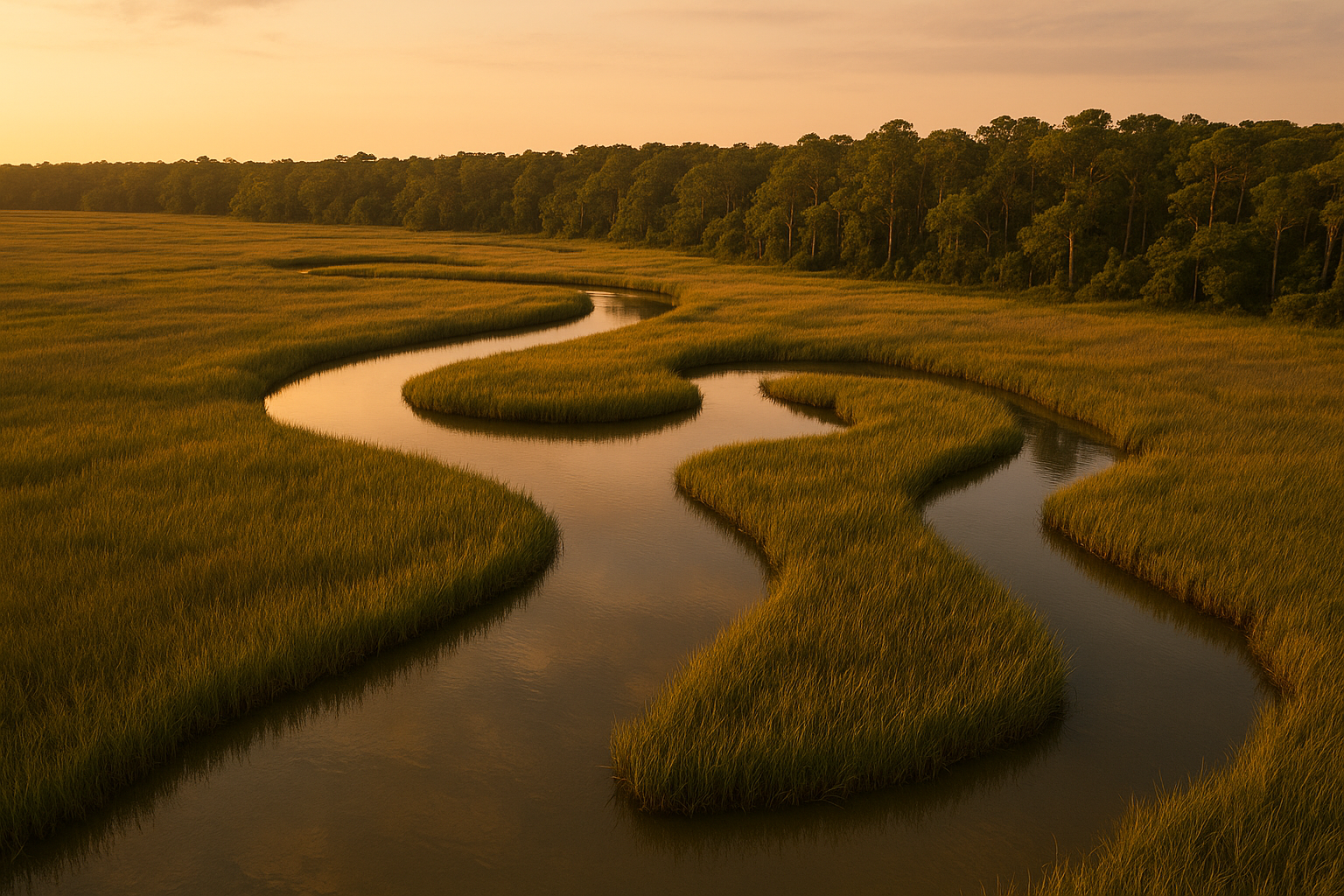
Tidal creeks like this one near the Intracoastal Waterway rank among the best fishing spots near Carolina Forest for redfish and trout.
What Are the Best Fishing Spots Near Carolina Forest?
The best fishing spots near Carolina Forest are the tidal creeks off the Intracoastal Waterway, the jetties at Little River Inlet, nearby nearshore artificial reefs, and the offshore wrecks and Gulf Stream waters reachable from Murrells Inlet or Little River. Each area offers different species and conditions, so the right choice depends on your experience level, budget, and how far offshore you want to travel.
Because Carolina Forest is inland, it functions as a launch point rather than a fishing destination itself. As a result, most trips begin with a short drive to a boat ramp or marina before heading toward the water. In particular, the Carolina Forest area page outlines exactly which nearby launch points serve local anglers best, while our Carolina Forest charter service page lists available guided trip types in more detail.
Top Inshore Fishing Locations Near Carolina Forest
Inshore fishing stays within protected water, which makes it a popular starting point. Specifically, the backwater creeks branching off the Waccamaw River and the Intracoastal Waterway hold consistent numbers of redfish, spotted sea trout, and flounder throughout most of the year. These fish tend to gather around oyster beds, dock pilings, and grass edges where bait is easy to find.
According to the South Carolina Department of Natural Resources, slot limit regulations have helped keep redfish populations relatively stable along the Grand Strand in recent seasons. Consequently, anglers who practice catch-and-release on oversized fish are helping protect this fishery for future trips.
Popular Inshore Species
- Redfish – found near marsh edges and oyster beds
- Spotted sea trout – active around deeper creek bends
- Flounder – hold near sandy bottoms and drop-offs
- Black drum – common near docks and pilings
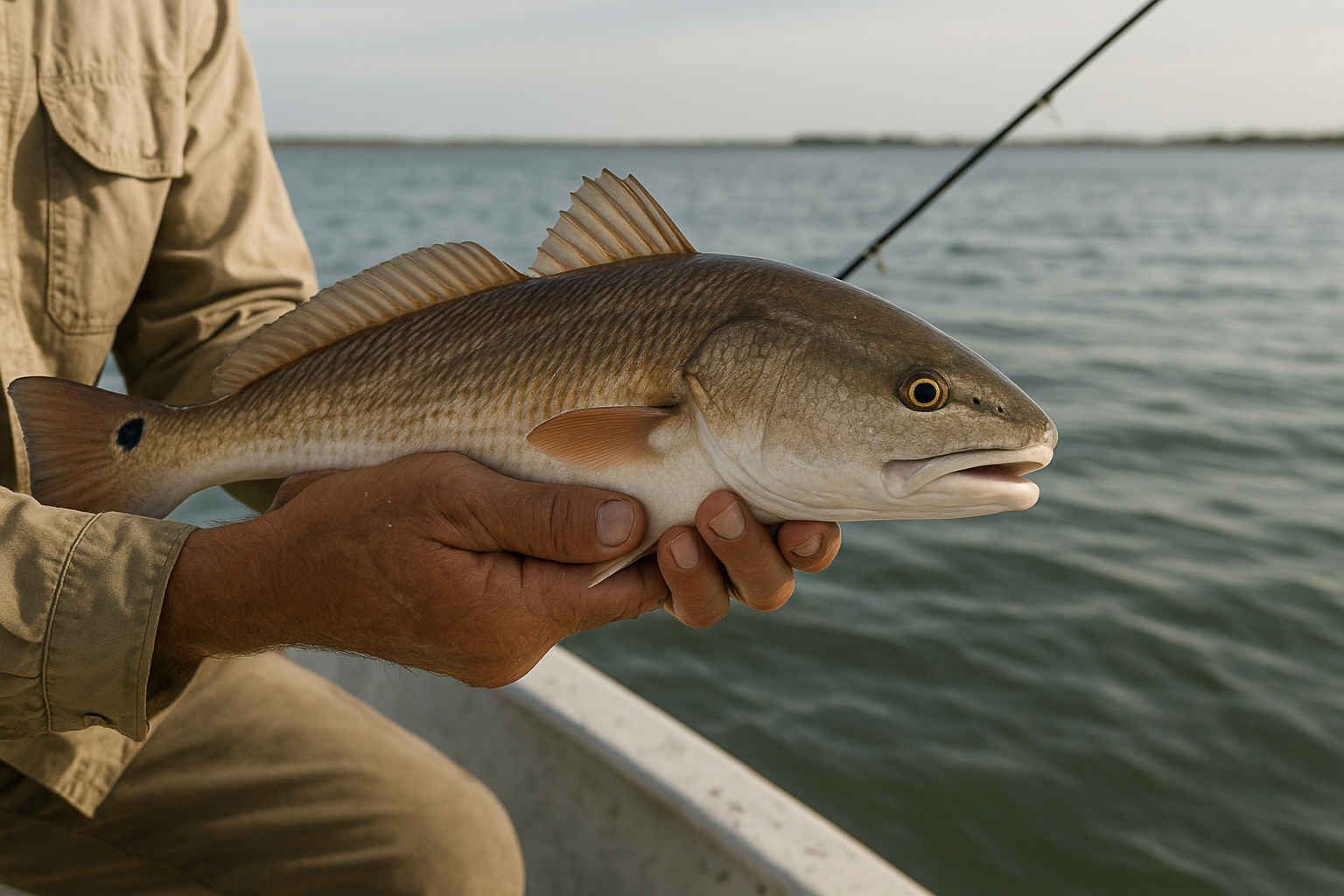
Redfish are one of the most reliable catches inshore near Carolina Forest.
Nearshore and Offshore Fishing Options for Carolina Forest Anglers
For anglers who want bigger species, nearshore live-bottom reefs sit just a few miles off the beach and often produce king mackerel, cobia, and sheepshead. In contrast, true offshore and Gulf Stream trips travel much farther, sometimes 40 miles or more, to reach blue water where mahi-mahi, wahoo, and tuna feed near floating debris and temperature breaks.
These deeper trips generally launch from Little River or Murrells Inlet rather than directly from Carolina Forest. Therefore, planning extra travel time is wise. Our detailed breakdown of the best fishing near Myrtle Beach and the wider list of fishing locations in Myrtle Beach and North Myrtle Beach cover departure points and travel distances in more depth.
Best Times to Fish Near Carolina Forest
Timing matters almost as much as location. Spring and fall generally bring the most consistent inshore action, since water temperatures sit in a comfortable range for redfish and trout. Meanwhile, summer favors offshore and Gulf Stream trips, when warm surface water pulls pelagic species like mahi-mahi closer to the coast.
Winter fishing is not off the table, either. Above all, cooler months push many inshore species into deeper creek holes, where a patient angler can still find steady bites. The NOAA Fisheries service publishes seasonal migration data that can help confirm which species are likely present during your visit.
How to Plan Your Fishing Trip Near Carolina Forest
Planning a trip is straightforward once you know the basic steps. Use the process below to move from idea to a booked, well-prepared outing.
- Decide on the experience level. Think about how many people are in your group, whether children are joining, and how comfortable everyone is with boat travel before choosing between inshore, nearshore, or offshore trips.
- Match the season to your target species. Check which fish are actively biting during your travel dates, since redfish and trout run strong in cooler months while mahi-mahi and tuna are better summer targets offshore.
- Book a licensed charter or prepare your own gear. Reserve a trip with a licensed local charter that covers permits and safety equipment, or confirm your own South Carolina saltwater fishing license and tackle if fishing independently.
- Confirm logistics and weather backup plans. Verify the departure dock, arrival time, and what happens if weather cancels the trip, since coastal conditions near Little River and Murrells Inlet can change quickly.
Choosing a Charter for Fishing Near Carolina Forest
Many visitors prefer a guided trip simply because a local captain already knows where fish are holding on a given day. North Myrtle Beach Fishing Charters LLC offers private inshore, nearshore, shark, offshore, deep-sea, and Gulf Stream trips throughout the region, including areas convenient to Carolina Forest, Carolina Shores, Little River, and Conway. In addition, hands-on instruction and private wildlife or dolphin tours are available for groups who want a lighter-paced day on the water.
If you are weighing options for nearby communities, our Carolina Shores fishing page covers a neighboring service area with its own set of launch points. For general trip details and booking, visit North Myrtle Beach Fishing Charters directly.
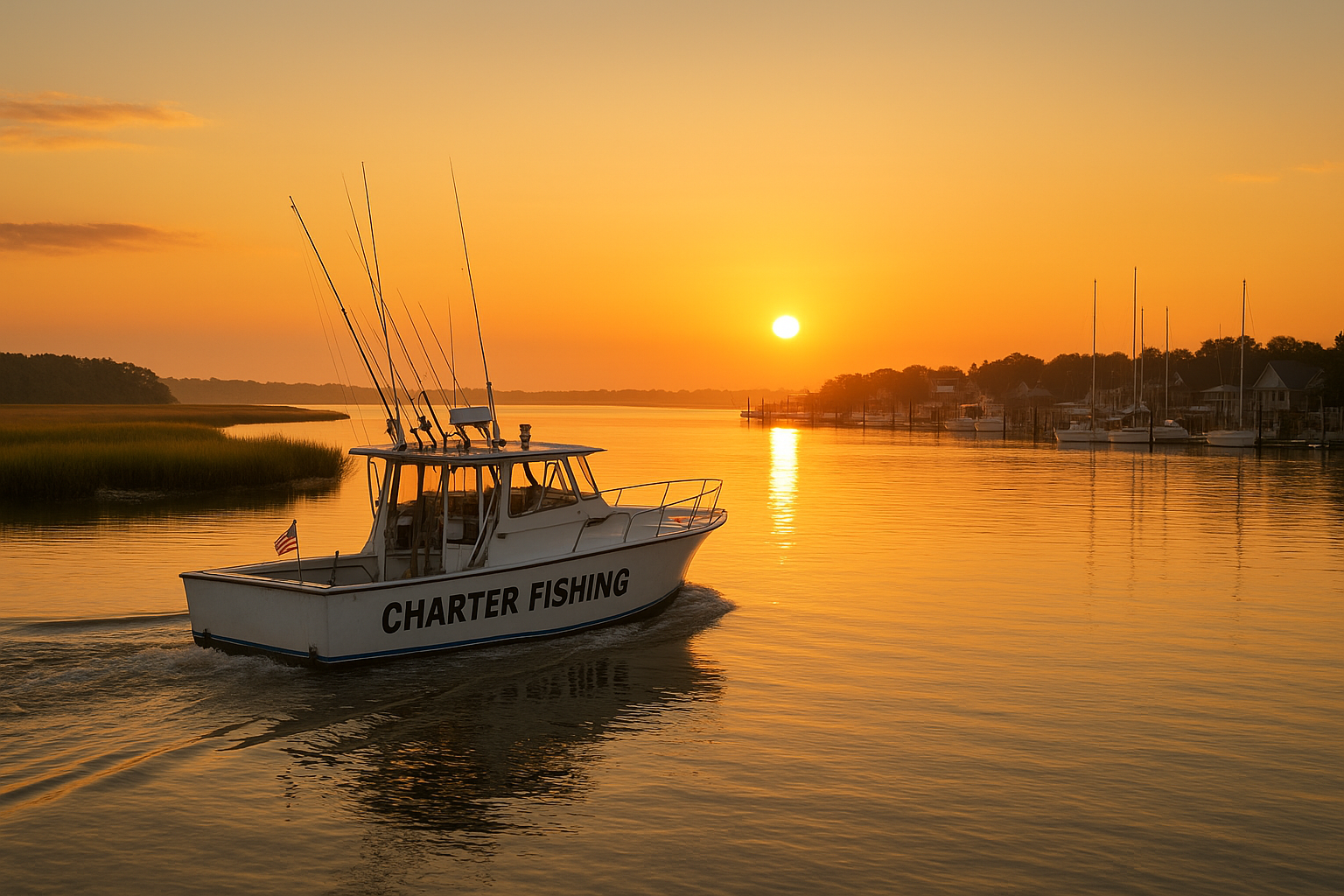
A guided charter is one of the easiest ways to reach the best fishing spots near Carolina Forest without navigating unfamiliar water alone.
Frequently Asked Questions About Best Fishing Spots Near Carolina Forest
What is Carolina Forest known for when it comes to fishing?
Carolina Forest is an inland community, so it is known as a convenient base for reaching nearby saltwater fishing on the Intracoastal Waterway, Waccamaw River, and Atlantic coastline. Anglers here typically drive 20 to 40 minutes to reach tidal creeks or inlet jetties.
What are the best fishing spots near Carolina Forest for beginners?
The best fishing spots near Carolina Forest for beginners are the sheltered tidal creeks and Intracoastal Waterway sections near Socastee and Little River, since the water is calmer and the boat ride is short. These areas hold redfish, flounder, and trout that respond well to simple bait rigs.
How far is Carolina Forest from saltwater fishing spots?
Most Carolina Forest residents can reach an inshore launch point in 20 to 30 minutes. Little River Inlet and Murrells Inlet, the two main charter departure points, are each roughly 30 to 40 minutes by car.
What fish can you catch near Carolina Forest, SC?
Inshore waters near Carolina Forest hold redfish, spotted sea trout, flounder, and black drum. Farther out, anglers target king mackerel, cobia, mahi-mahi, wahoo, and tuna depending on the season and distance offshore.
Do you need a fishing license to fish near Carolina Forest?
Yes, South Carolina requires a saltwater recreational fishing license for anyone fishing state waters unless they are aboard a licensed charter, which typically covers guests under its own permit. It is worth confirming license coverage before booking.
What is the best time of year to fish near Carolina Forest?
Spring and fall generally offer the most consistent action, since water temperatures are moderate and baitfish are abundant. Summer favors offshore and Gulf Stream species, while winter is better suited to sheltered inshore creeks.
How much does a fishing charter near Carolina Forest cost?
Pricing varies by trip type and boat size, with inshore half-day trips generally costing less than full-day offshore or Gulf Stream charters. Group size, distance traveled, and trip duration are the main factors affecting the final rate.
What’s the difference between inshore and offshore fishing near Carolina Forest?
Inshore fishing stays within creeks, marshes, and the Intracoastal Waterway and targets species like redfish and flounder. Offshore fishing travels miles into the Atlantic toward wrecks, reefs, or the Gulf Stream for larger species such as mahi-mahi and tuna.
Can families fish near Carolina Forest?
Yes, inshore and nearshore trips are generally family friendly because the boat rides are shorter and the water is calmer than offshore routes. Many charters also offer hands-on instruction suited to children and first-time anglers.
What should I bring on a fishing charter near Carolina Forest?
Sunscreen, polarized sunglasses, a hat, and non-slip shoes are essential basics. It also helps to bring a light jacket for early mornings, drinking water, and a cooler if you plan to keep your catch.
Are there shore fishing spots near Carolina Forest without a boat?
Yes, several public docks and bridges along the Intracoastal Waterway near Socastee and Carolina Forest allow shore-based fishing. However, boat access generally reaches more productive water and a wider range of species.
What’s a common mistake anglers make near Carolina Forest?
A common mistake is fishing the same spot regardless of tide stage, which can mean casting into unproductive water for hours. Moving with the tide and adjusting depth or bait size usually improves results significantly.
How long do fishing charters near Carolina Forest usually last?
Inshore and nearshore trips typically run four to six hours, while offshore and Gulf Stream charters often last eight to twelve hours due to the extra travel time. Trip length should match your group’s stamina and fishing goals.
Final Thoughts on Fishing Near Carolina Forest
In summary, the best fishing spots near Carolina Forest cover a wide range of experiences, from calm backwater creeks perfect for beginners to Gulf Stream waters that reward experienced offshore anglers. Because location, season, and target species all interact, taking a few minutes to plan ahead makes a noticeable difference in results. Whether you choose a short inshore outing or a full-day offshore run, matching the trip to your group’s comfort level is the surest way to enjoy the water near Carolina Forest.