
Advanced fishing techniques North Myrtle Beach charters use go far beyond simply dropping a line in the water. Because tides, water temperature, and seasonal fish movement all shift constantly along the Grand Strand, licensed captains rely on layered strategies that combine local knowledge with real-time decision making. In addition, these methods apply across inshore creeks, nearshore reefs, and deep offshore wrecks, giving guests a genuinely different experience than a typical shared boat trip.
Quick Answer: Advanced fishing techniques North Myrtle Beach charters use include live-bait drifting, structure-focused jigging, offshore trolling patterns, and tide-based positioning. Licensed captains combine these methods with current weather and water data to target species more precisely than casual fishing allows.
What Are Advanced Fishing Techniques North Myrtle Beach Charters Use?
Advanced fishing techniques North Myrtle Beach charters use are the specialized methods captains apply once basic tackle and location are already set. Rather than fishing one spot all day, captains actively adjust bait, boat position, and presentation as tides and water temperature shift. As a result, guests often experience more consistent action than they would fishing alone from shore or a personal boat.
Specifically, this can mean trolling rigged ballyhoo along a temperature break offshore, or drifting live shrimp through a marsh creek at the exact stage of the tide when bait is moving. Consequently, the technique itself matters less than knowing when and where to use it, which is why decades of firsthand experience on these waters makes a measurable difference.
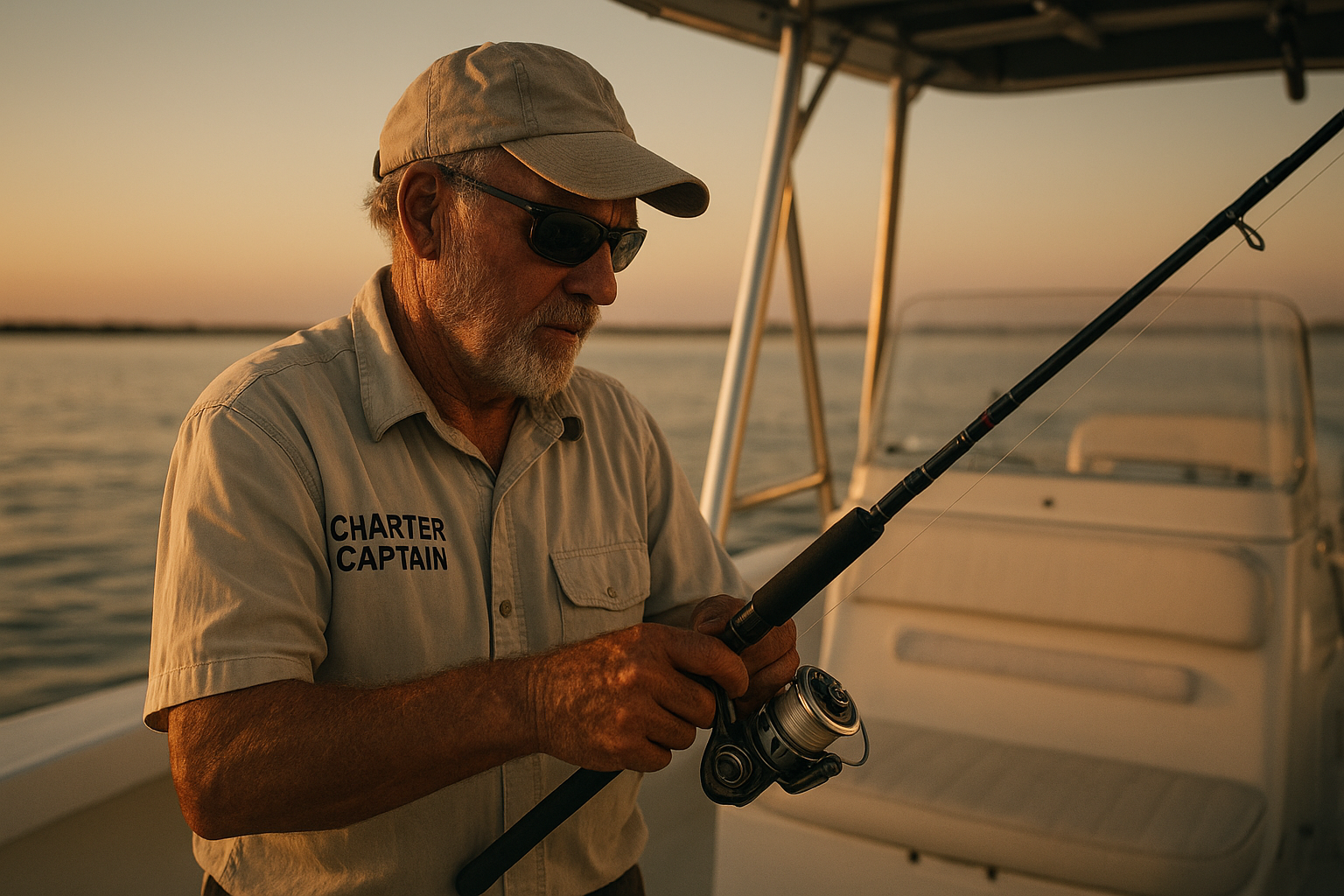
Reading tide lines and water temperature is one of the core advanced fishing techniques North Myrtle Beach charters use on every trip.
Reading Tides, Currents, and Water Temperature
Before any advanced method works, captains first study tides, wind, and water temperature. For instance, an incoming tide often pushes baitfish into creek mouths, which draws predator species like redfish and flounder into range. Similarly, a temperature break offshore can concentrate pelagic species like king mackerel along a narrow, predictable line.
Because these conditions change daily, captains check updated marine forecasts, such as those published by the National Weather Service, alongside their own on-the-water observations. Therefore, a technique that produced fish yesterday might need adjustment today. This constant recalibration is a defining trait of expert-level charter fishing methods, and it is difficult to replicate without years of local experience.
Advanced Tactics for Inshore and Backwater Fishing
Inshore and backwater fishing along the Intracoastal Waterway rewards precision over power. In particular, captains often use light tackle and live bait presented near oyster beds, grass edges, or dock pilings where fish hold tight to structure. This approach requires careful boat positioning so the bait drifts naturally instead of dragging unnaturally against the current.
Additionally, sight-casting becomes possible in shallow, clear water, letting an experienced captain spot a moving fish and direct a cast ahead of it. For anglers wanting a deeper breakdown of these methods, the guide on expert fishing tips for all skill levels covers inshore casting fundamentals in more detail.
Precision Casting Near Structure
Casting accurately within a foot or two of a dock piling or grass line often separates a productive trip from a slow one. Above all, patience matters here, since repositioning the boat quietly prevents spooking fish holding near shallow structure.
Offshore and Gulf Stream Strategies for Trophy Species
Offshore and Gulf Stream trips call for a different skill set entirely. Trolling multiple lines at varied depths allows captains to cover more water while searching for active fish. Meanwhile, live-baiting near wrecks or artificial reefs targets species like grouper and snapper that hold close to bottom structure.
In particular, the Gulf Stream itself creates a warm-water highway that draws pelagic species such as mahi-mahi and wahoo, according to general findings published by the National Oceanic and Atmospheric Administration. As a result, captains often run further offshore during warmer months when this current sits closer to shore. Guests curious about what a full offshore day involves can review the details on deep sea fishing expectations near North Myrtle Beach.
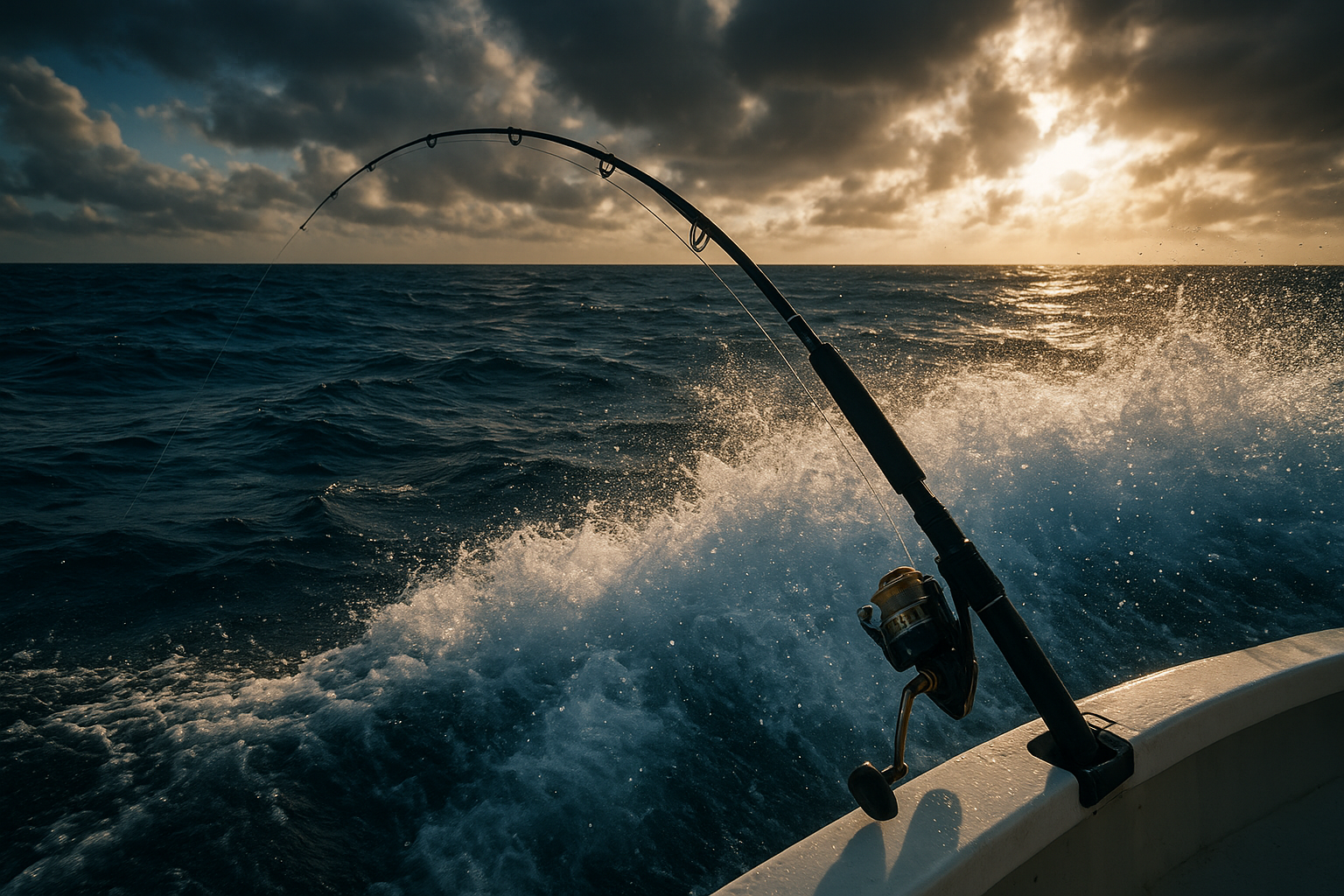
Trolling near temperature breaks is a productive method once boats reach Gulf Stream waters.
How Captains Plan a Trip Using Advanced Techniques
Every successful charter follows a similar planning sequence before lines ever hit the water. Below is the general process most licensed captains follow when applying advanced fishing techniques on a North Myrtle Beach trip.
- Check tides, weather, and water temperature — the captain reviews conditions to predict where bait and fish will gather that day.
- Match the technique to the trip type — inshore trips may call for live-baiting near structure, while offshore trips favor trolling or jigging.
- Position the boat using local knowledge — decades of experience help identify productive tide lines, drop-offs, and structure.
- Adjust tackle and presentation in real time — line weight and bait presentation change as conditions shift throughout the day.
- Guide guests through hands-on execution — the captain coaches casting, hook-setting, and fighting the fish so every guest can participate.
Choosing the Right Charter for Advanced Techniques
Not every charter applies these methods the same way. For example, a shared head boat typically fishes one general area for the whole group, which limits flexibility. In contrast, a private charter can shift strategy the moment conditions change, since the entire trip is planned around one group’s goals.
North Myrtle Beach Fishing Charters LLC, founded by Captain Keith Logan in 1991, structures every trip this way. Because the business has operated locally for more than three decades, captains draw on long-term familiarity with local creeks, nearshore reefs, and offshore structure. Guests interested in nearshore-specific strategy can also review the South Carolina nearshore fishing guide, while those wanting a broader overview can visit the North Myrtle Beach charter pro guide.
Matching Technique to Group Experience
Because trips are private, captains scale technique complexity to match the group. Consequently, families with children might focus on simpler bottom fishing, while experienced anglers can request more advanced trolling patterns. For a species-by-species breakdown of what’s commonly targeted, the Myrtle Beach fish guide is a useful reference before booking.
Common Mistakes Anglers Make Without Guidance
Many self-guided anglers make similar mistakes when attempting advanced methods on their own. Notably, fishing the wrong stage of the tide, using tackle too light or heavy for the current, and misjudging boat drift near structure are frequent issues. However, a licensed captain corrects these variables continuously throughout the trip.
Furthermore, inexperienced anglers sometimes fish visually appealing spots that lack real structure or bait activity underneath. Therefore, relying on sonar, local knowledge, and real-time observation, rather than guesswork, produces far more consistent results. You can explore additional strategy comparisons and booking options at North Myrtle Beach Fishing Charters.
Frequently Asked Questions
What are advanced fishing techniques North Myrtle Beach charters use most often?
Advanced fishing techniques North Myrtle Beach charters use most often include live-baiting near structure, trolling for pelagic species, drift fishing tide lines, and jigging over offshore wrecks. Captains choose the method based on tides, water temperature, and target species.
Do I need prior fishing experience to book a charter that uses advanced techniques?
No, prior experience is not required. Captains adjust the pace and complexity of each technique to match the group’s skill level, so beginners and experienced anglers can both participate.
How do captains decide where to fish each day?
Captains evaluate tides, wind, sea conditions, water temperature, and recent bait activity before choosing a location. This planning process helps position the boat where fish are most likely to be feeding.
What is the difference between trolling and drift fishing?
Trolling involves pulling lures or bait behind a moving boat to cover more water, while drift fishing lets the boat move naturally with wind and current while lines stay stationary near structure. Both methods target different species and depths.
Are advanced techniques used on inshore trips or only offshore?
Advanced techniques apply to both settings. Inshore trips may use precision casting near marsh grass, while offshore trips rely on trolling patterns and deep jigging around wrecks.
How much does an advanced charter trip typically cost?
Pricing depends on trip length, boat size, and destination, such as nearshore versus Gulf Stream waters. Guests can review current rates and book directly through the online reservation system for an exact quote.
How long does an offshore or Gulf Stream trip usually take?
Offshore and Gulf Stream trips often run longer than inshore outings, sometimes a full day, because reaching deeper water and productive structure takes more travel time. Exact duration depends on the specific charter booked.
What common mistakes do anglers make when trying advanced techniques on their own?
Common mistakes include ignoring tide timing, using the wrong line weight for current speed, and fishing structure without accounting for boat positioning. A licensed captain helps avoid these issues by reading conditions in real time.
Why does water temperature matter for advanced fishing methods?
Water temperature influences where baitfish gather and how actively predator species feed. Captains track temperature breaks to locate productive zones rather than fishing random spots.
Can kids or beginners join a trip focused on advanced fishing techniques North Myrtle Beach charters use?
Yes, since every trip is private, captains tailor the techniques and pace to include children and beginners safely. Instruction is provided so newer anglers can learn while still experiencing higher-level methods.
What equipment is provided for advanced fishing methods?
Rods, reels, tackle, bait, and required safety gear are included on every charter. Captains select equipment suited to the specific technique planned for that day, whether trolling, jigging, or bottom fishing.
How does bait selection change between inshore and offshore techniques?
Inshore trips typically use live shrimp, mullet, or finger bait near structure, while offshore trips often rely on rigged ballyhoo or artificial lures for trolling. The choice depends on target species and water depth.
Is chartering better than fishing advanced techniques from shore or a personal boat?
Chartering gives access to a licensed captain’s local knowledge, proper equipment, and safety gear, which is difficult to replicate from shore. This often results in a more efficient and safer experience for guests unfamiliar with local waters.
What time of year is best for advanced offshore techniques near North Myrtle Beach?
Warmer months generally bring more consistent offshore action as pelagic species move closer to the Gulf Stream. However, seasonal patterns shift yearly, so captains adjust plans based on current conditions rather than the calendar alone.
How do I book a charter that matches my group’s skill level?
Guests can book online through the reservation system or contact the business by phone or text to discuss goals, experience level, and available time. This helps match the group with the right boat and technique.
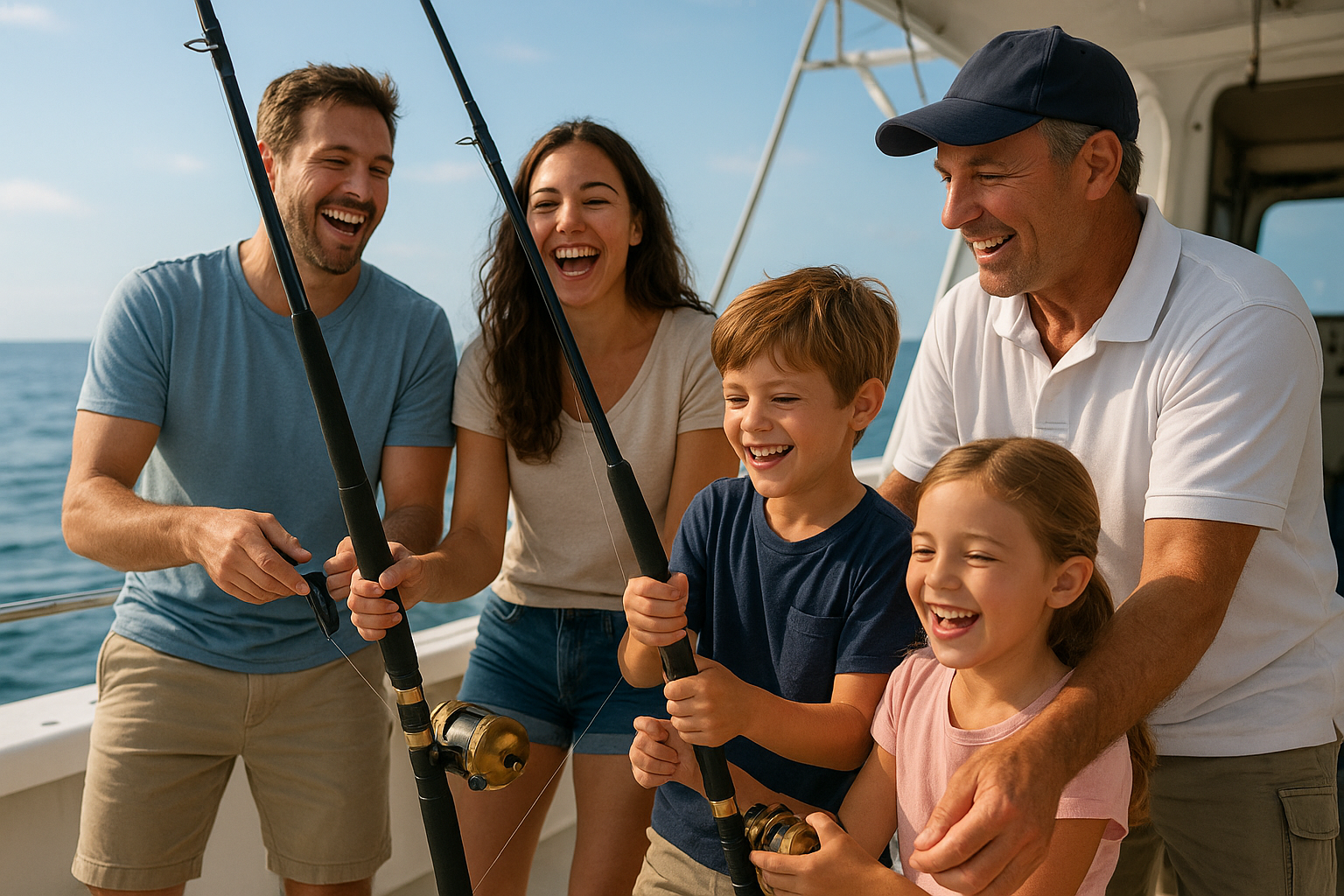
Private charters allow captains to teach advanced fishing techniques at a pace suited to every guest aboard.
Final Thoughts on Fishing Smarter Along the Grand Strand
Ultimately, advanced fishing techniques North Myrtle Beach charters use are less about a single trick and more about constant adjustment. Captains combine tide readings, temperature tracking, and structure awareness to put guests in position for a productive day, whether that means drifting a quiet backwater creek or trolling near the Gulf Stream. Because every trip is private, these methods can be scaled to fit families, beginners, or seasoned anglers chasing something bigger.
If you’re ready to experience these methods firsthand, reviewing available trip types and booking online is the most direct next step. In the meantime, learning the reasoning behind each technique, rather than memorizing steps, will make any future day on the water more successful.