
Action fishing trips are charter outings built around fast, frequent bites instead of long, quiet stretches waiting on a single fish, and they have quickly become the most-requested style of charter along the entire Grand Strand. Whether you are chasing bonito just off the beach or working a wreck miles offshore, these trips put a bent rod in your hands again and again. Below, you will find the most complete breakdown available anywhere online of what makes a trip genuinely “action-packed,” how to pick the right one for your group, what it costs, and exactly how to get booked — so you never have to leave this page to find an answer.
Quick answer: Action fishing trips are charters designed around frequent bites and hands-on excitement, typically inshore, nearshore, or offshore outings that target schooling or aggressive fish. They suit anglers who want constant rod action rather than a slow, patient wait for one trophy catch — and in North Myrtle Beach, they run nearly year-round.
What Are Action Fishing Trips, Exactly?
In simple terms, action fishing trips are charters built around volume and pace rather than a single big catch. In practice, that means targeting fish that travel in schools — such as Spanish mackerel or bluefish — so several rods can hook up within minutes of each other.
Unlike a trophy hunt that might involve hours of trolling for a single marlin, an action-focused trip keeps every single person on the boat engaged. For example, a nearshore trip chasing bait schools can easily produce dozens of hookups in just a few hours. As a result, these trips are especially popular with families, first-time anglers, and groups who want everyone reeling something in, not just watching from the rail.
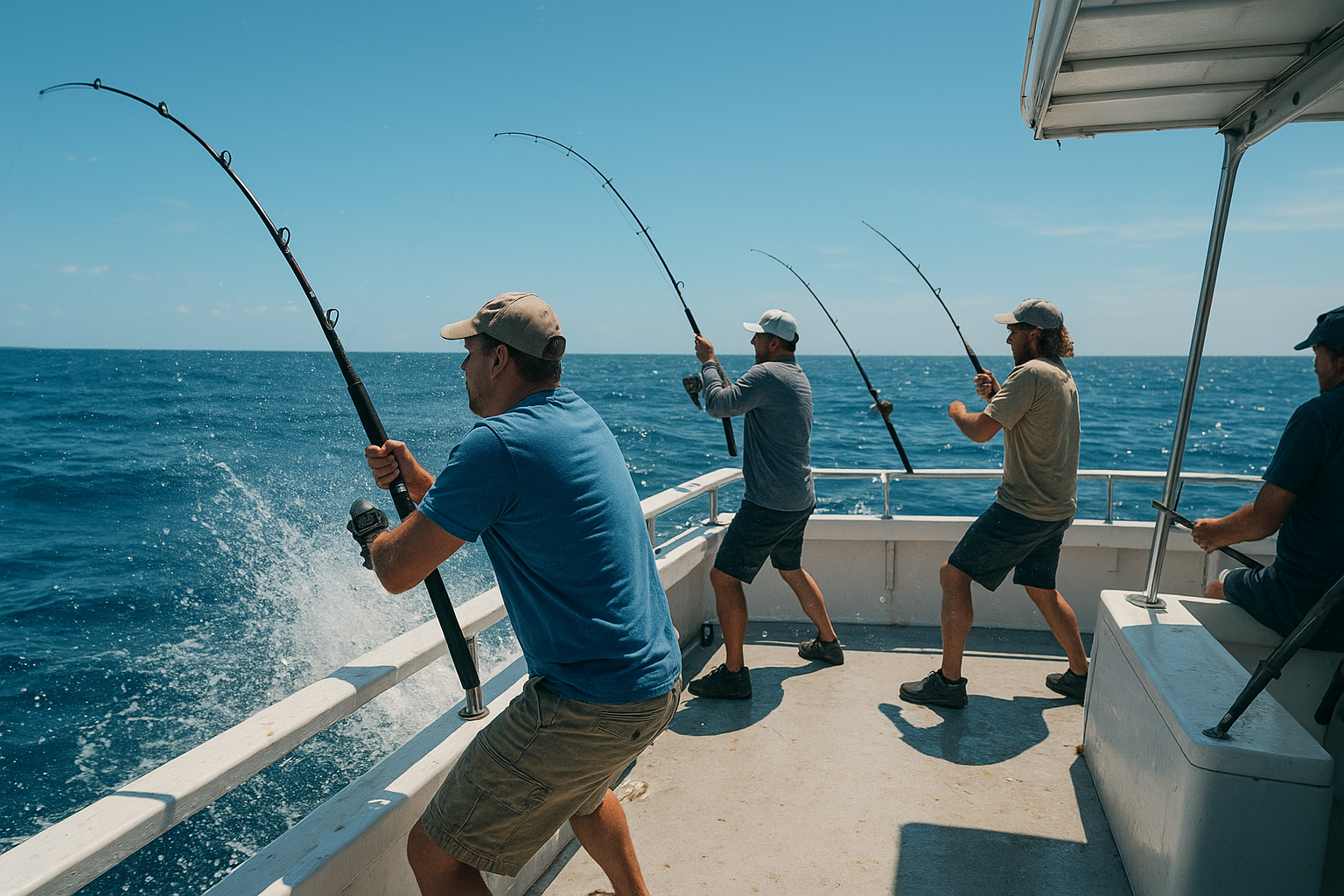
Action fishing trips keep the whole boat busy with steady, back-to-back bites.
Why North Myrtle Beach Is Built for High-Action Charters
The waters around North Myrtle Beach, Little River, and Murrells Inlet offer a mix of protected inlets, nearshore reefs, and open-ocean access, which makes high-action charters practical almost year-round. In particular, the region’s warm coastal current pushes baitfish close to structure, drawing predators within easy reach of smaller boats.
According to NOAA Fisheries, recreational anglers along the South Atlantic coast take millions of saltwater fishing trips every year, and nearshore species make up a large share of that activity. Consequently, local captains have refined routes and timing specifically to maximize bite frequency for guests who want nonstop fishing adventures rather than a slow soak.
If you want to see exactly where these high-percentage bite zones are located, our guide to the best locations for charter fishing adventures maps out the Grand Strand’s top spots in detail. Additionally, for anglers curious about how these trips compare to slower, structure-based fishing, our breakdown of deep-sea versus inshore fishing charters explains the tradeoffs in more detail.
Types of Action-Packed Fishing Charters Available
Not every high-action charter looks the same, and the right pick depends on how far you want to travel and what you hope to catch.
Inshore and Nearshore Trips
Inshore trips work protected creeks and the Intracoastal Waterway, while nearshore charters stay within a few miles of the beach. Both tend to produce steady bites on species like flounder, sea bass, and bluefish, which makes them a strong choice for families and beginners.
Offshore, Deep-Sea, and Gulf Stream Trips
Farther out, offshore and deep-sea trips target wrecks and reefs, while Gulf Stream charters chase mahi-mahi and wahoo in warm, fast-moving water. The Gulf Stream current runs relatively close to this stretch of coastline, which shortens travel time compared with many other East Coast ports.
Shark Fishing Charters: A Different Kind of Action
Meanwhile, shark fishing charters bring a different flavor of action, since the fight itself can last much longer even though bites may be less frequent. Selecting the right rod, reel, and line for each style matters, and our guide to deep-sea fishing tackle covers the essentials before you ever step on deck.
Action Fishing Trips vs. Trophy Fishing: Which Fits Your Group?
Before booking, it helps to see the two approaches side by side. Trophy fishing prioritizes size over speed, while action fishing trips prioritize frequency and energy. Neither approach is better overall — it simply depends on what your group wants out of the day.
| Factor | Action Fishing Trips | Trophy Fishing Trips |
|---|---|---|
| Bite frequency | High — bites often come in waves | Low — long waits between bites |
| Typical species | Spanish mackerel, bonito, bluefish, sea bass | Marlin, large king mackerel, big sharks |
| Best for | Families, beginners, groups wanting activity | Experienced anglers chasing a specific trophy |
| Typical trip length | 4–8 hours | 8–12+ hours |
How to Book an Action Fishing Trip in North Myrtle Beach
Booking the right action fishing trip is simpler when you follow a clear process rather than picking the first available boat. Here is a straightforward sequence to follow, step by step.
- Pick your target zone. Decide whether you want inshore, nearshore, offshore, shark, or Gulf Stream action, since each zone offers a different pace and species mix for the trip and changes how far you’ll travel.
- Match the trip to your group. Consider the number of anglers, ages, and fishing experience in your group so the captain can recommend a boat size and trip length that keeps everyone comfortable and engaged.
- Check the season and tides. Review seasonal fish patterns and tide charts, since bite windows for action fishing trips shift with water temperature, moon phase, and tidal movement throughout the year.
- Book with a licensed local charter. Reserve your date with a licensed, insured operator who knows local structure, wrecks, and bait patterns well enough to put you on active fish quickly and safely.
- Prepare and arrive early. Pack sun protection, non-slip shoes, and snacks, then arrive at the dock at least fifteen minutes before departure so the crew can brief the group on safety and tackle.
First-time anglers often have specific questions about what to expect on deck, and our first-time fishing charter tips page addresses many of those concerns directly before you ever set foot on the boat.
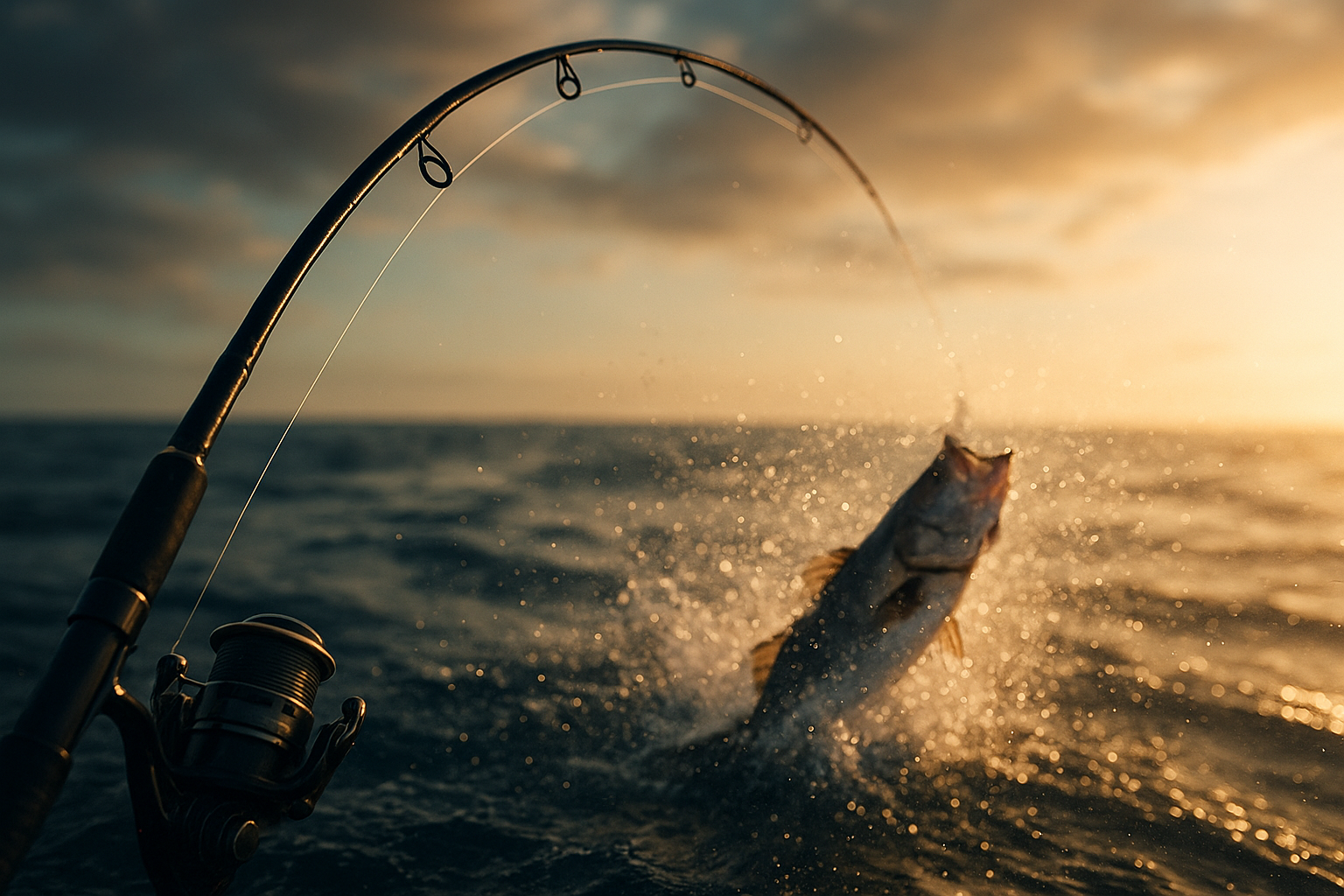
A bent rod is the signature moment of any high-action charter.
What to Expect on Nonstop Fishing Adventures
Once the boat reaches active water, the crew typically sets out multiple lines and adjusts speed or position based on where fish are showing on the finder. Guests can expect frequent instruction, quick rod handoffs, and a lot of energy on deck as bites come in waves rather than one at a time.
In addition, most charters provide rods, reels, bait, and basic tackle, so guests do not need to bring their own gear unless they have specific preferences. Anglers who want to understand the equipment used on these trips can review our overview of fishing gear options for South Carolina anglers.
Above all, communication with the crew matters. Speaking up about comfort level, motion sickness, or fishing experience helps the captain adjust the plan so the trip stays enjoyable for everyone aboard.
Best Times of Year for Action Fishing Trips
Late spring through early fall generally produces the most reliable action, as warmer water pulls baitfish and predators toward the coast. Specifically, Spanish mackerel and bonito tend to run heavy nearshore during the summer months, while Gulf Stream action often peaks slightly later in the season.
However, action fishing trips are not strictly limited to summer. Nearshore bottom fishing and inshore trips can remain productive into fall and early spring, especially around structure that holds bait year-round. Areas near Atlantic Beach often see consistent nearshore activity outside the peak summer crowds, making them a smart off-season pick.
What Action Fishing Trips Cost Near Myrtle Beach
Pricing varies by trip length, boat size, and how far offshore the charter travels. Generally speaking, nearshore trips cost less than deep-sea or Gulf Stream trips, since fuel and run time rise quickly the farther out you go. The table below offers a general planning range.
| Trip Type | Typical Duration | General Price Range |
|---|---|---|
| Inshore / Nearshore | 3–5 hours | Lower cost, priced by the boat |
| Offshore / Deep-Sea | 6–8 hours | Mid-to-higher cost |
| Gulf Stream | 8–12 hours | Highest cost due to travel distance |
Private charters often price by the boat rather than per person, so a group trip can be more economical than it first appears. Therefore, it is always worth asking the captain directly for an exact quote based on your group size and preferred date.
Family-Friendly Action Fishing Charters
Families often assume offshore trips are the most exciting option, but shorter nearshore and inshore charters frequently deliver more consistent bites for younger anglers. Since kids tend to lose interest during long lulls, a trip built around steady action keeps everyone involved from start to finish.
Private charters also allow families to set the pace, take breaks, and focus on species that are simple to catch and handle. For a deeper look at why these outings work so well for multi-generation groups, see our guide on family fishing excursions as a bonding experience. Regulations on size and bag limits are set by the South Carolina Department of Natural Resources, and local captains stay current on those rules so families can fish confidently within legal limits.
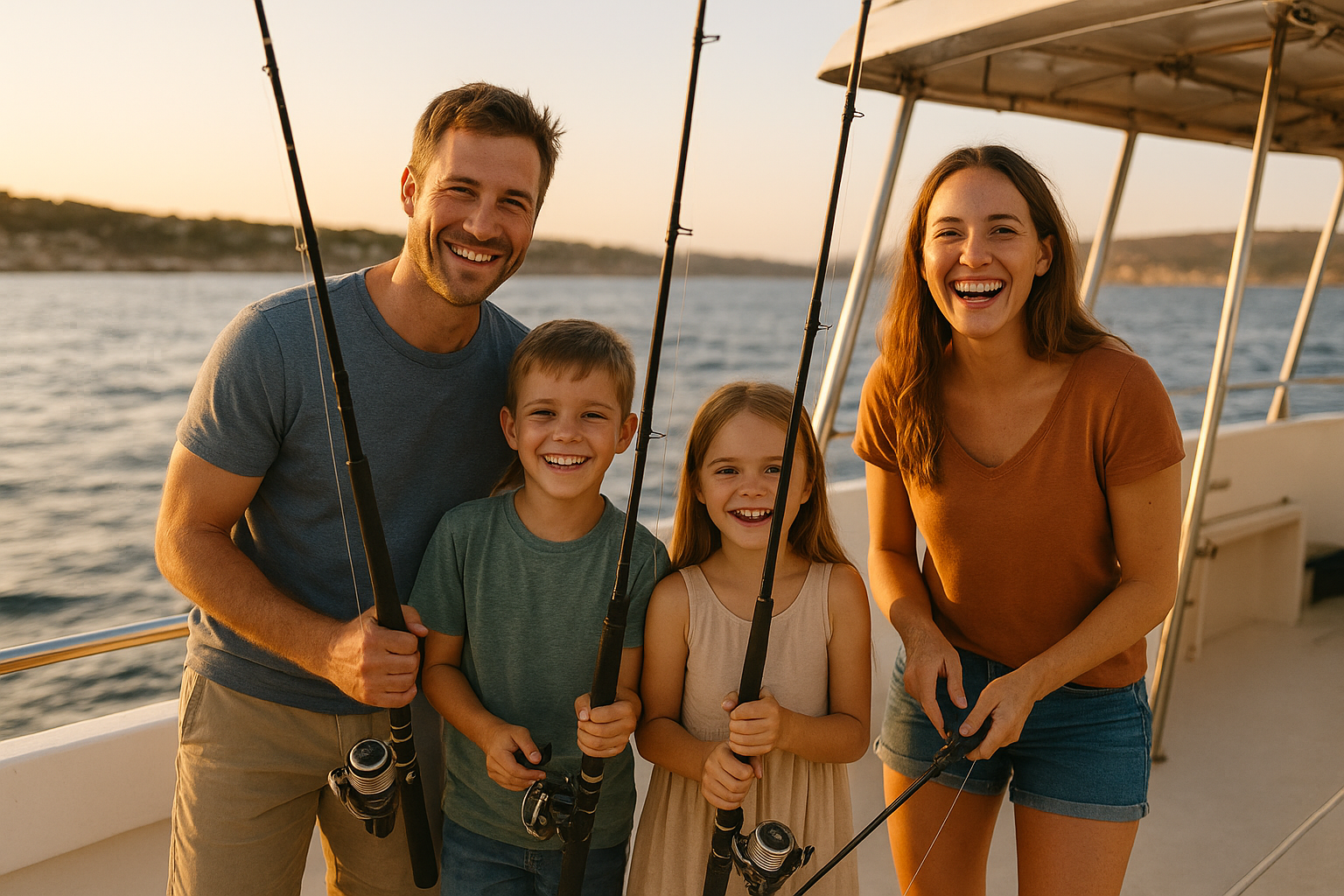
Family-friendly action fishing trips keep every generation engaged.
Safety Essentials and What to Pack
Good preparation makes any high-action charter more enjoyable. Above all, sun protection matters most, since several hours on open water exposes skin quickly even on cloudy days.
- Reef-safe sunscreen, a hat, and polarized sunglasses to cut glare off the water
- Non-slip, closed-toe shoes for stability on a wet, moving deck
- A light jacket, since ocean breezes feel cooler than the beach itself
- Motion sickness remedies, taken ahead of time if you are prone to seasickness
- Snacks and water, especially on longer offshore or Gulf Stream runs
Most licensed operators carry Coast Guard-required safety equipment on board, including life jackets and flotation devices, so your main job is simply to show up prepared and ready to fish.
Why Book With a Local, Licensed Charter Crew
Local knowledge makes a measurable difference in how much action a trip delivers. Captains who fish these waters daily know which reefs are holding bait this week, which tide stage triggers a bite, and how to adjust the plan when one spot goes quiet.
As a locally owned operation serving North Myrtle Beach, Murrells Inlet, Little River, and the surrounding Grand Strand, North Myrtle Beach Fishing Charters offers inshore, nearshore, shark, offshore, deep-sea, and Gulf Stream trips built around exactly this kind of local knowledge. Guests can also request private dolphin and wildlife tours when a slower pace fits the group better on a given day.
How to Contact a Crew and Book Your Trip
Reaching out to a charter crew should be simple, not confusing. Most local operators accept bookings online, by phone, or by message, and a quick reply usually confirms your date, trip type, and group size within the same day.
Before you reach out, it helps to know your preferred date, number of anglers, and whether you want inshore, nearshore, offshore, or Gulf Stream action. With those details ready, the crew can recommend the right boat and confirm availability quickly. For direct booking and current trip options, visit North Myrtle Beach Fishing Charters to speak with a local captain today.
Frequently Asked Questions About Action Fishing Trips
What are action fishing trips?
Action fishing trips are charter outings built around fast, frequent bites rather than long waits between fish. They typically target species that school in numbers, such as Spanish mackerel, bonito, or bottom fish, keeping anglers busy for most of the trip.
How long do action fishing trips usually last?
Most action fishing trips run between four and eight hours, depending on whether the charter stays nearshore or heads farther out. Half-day nearshore trips are common for anglers who want steady action without a full day on the water.
What is the best type of action fishing trip for beginners?
Nearshore and inshore charters are generally the best starting point for beginners because they involve calmer water and simpler tackle. These trips still offer plenty of bites while easing new anglers into the sport.
How much do action fishing trips cost near Myrtle Beach?
Pricing varies by trip length, boat size, and how far offshore the charter travels, with nearshore trips generally costing less than deep-sea or Gulf Stream trips. Private charters often price by the boat rather than per person, so a group trip can be more economical.
What fish can you catch on an action fishing trip?
Common catches include Spanish mackerel, bluefish, bonito, sea bass, and flounder, depending on the season and location. Offshore action trips can add mahi-mahi, king mackerel, and even wahoo to the mix.
Are action fishing trips suitable for kids and families?
Yes, many action fishing trips are designed to be family friendly, especially inshore and nearshore options with shorter run times. Frequent bites tend to hold children’s attention better than slower deep-water trips.
What should I bring on an action fishing trip?
Sunscreen, polarized sunglasses, non-slip shoes, and a light jacket cover most needs, since the boat usually supplies rods, bait, and tackle. Snacks and water are wise additions for longer offshore runs.
What’s the difference between inshore and offshore action fishing trips?
Inshore trips stay within protected creeks, marshes, and the Intracoastal Waterway, while offshore trips run several miles into open water toward wrecks or the Gulf Stream. Offshore trips generally target larger species but involve more travel time and rougher conditions.
What time of year offers the best action fishing trips in Myrtle Beach?
Late spring through early fall usually produces the most consistent action as warmer water pushes baitfish and predators closer to shore. However, certain species remain active nearshore even in cooler months.
Do I need a fishing license for an action fishing trip?
No, most licensed charter operations cover fishing under their captain’s license, so individual anglers typically do not need a separate permit. It is still smart to confirm this with the charter before the trip.
What common mistakes should first-time anglers avoid?
Skipping motion sickness precautions and booking the wrong trip length for the group’s comfort level are the most frequent mistakes. Overpacking gear the boat already provides can also create unnecessary confusion on deck.
How far in advance should I book an action fishing trip?
Booking two to four weeks ahead is ideal during peak season, since popular charter dates fill quickly in summer. Last-minute openings do happen, particularly on weekdays or shoulder-season dates.
Can I keep the fish I catch on an action fishing trip?
In most cases, yes, within state size and bag limits set by agencies like the South Carolina Department of Natural Resources. Many charters will also clean and bag the catch for guests at the end of the trip.
How do I contact a crew to book an action fishing trip?
Most local charters accept booking requests online, by phone, or through a contact form, usually responding the same day. Having your preferred date, group size, and trip type ready speeds up the confirmation process considerably.
Can I book a same-day action fishing trip?
Same-day bookings are sometimes possible, especially during the off-season or on short-notice cancellations, but availability is never guaranteed. Calling or messaging the charter directly is always the fastest way to check open slots.
In summary, action fishing trips give anglers of every skill level a way to spend more time reeling and less time waiting. From protected inshore creeks to Gulf Stream waters, the right charter depends on your group’s comfort, schedule, and target species, but the goal stays the same: steady bites and a boat full of engaged anglers. Choosing a local, licensed charter and planning around season, tide, and cost will put any group in the best position for a genuinely action-packed day on the water.