
Knowing how to catch red drum in Myrtle Beach comes down to reading the tides, picking the right structure, and presenting bait the way these inshore gamefish expect to see it. Red drum, commonly called redfish, patrol the marshes, oyster rakes, and nearshore waters all along the Grand Strand, and they respond predictably once you understand their seasonal habits. Therefore, anglers who match timing, location, and tackle to local conditions land far more fish than those who simply cast and hope.
This guide breaks the process into clear steps, drawn from decades of firsthand experience fishing these local waters. In particular, it covers where redfish hold, what bait works best, and how a private charter can shorten the learning curve considerably.
Quick Answer: Red drum are most reliably caught in Myrtle Beach by fishing moving tides around oyster beds, grass edges, and inlet structure with live finger mullet, mud minnows, or fresh cut bait on a circle-hook rig. Fall offers some of the strongest bull redfish action nearshore.
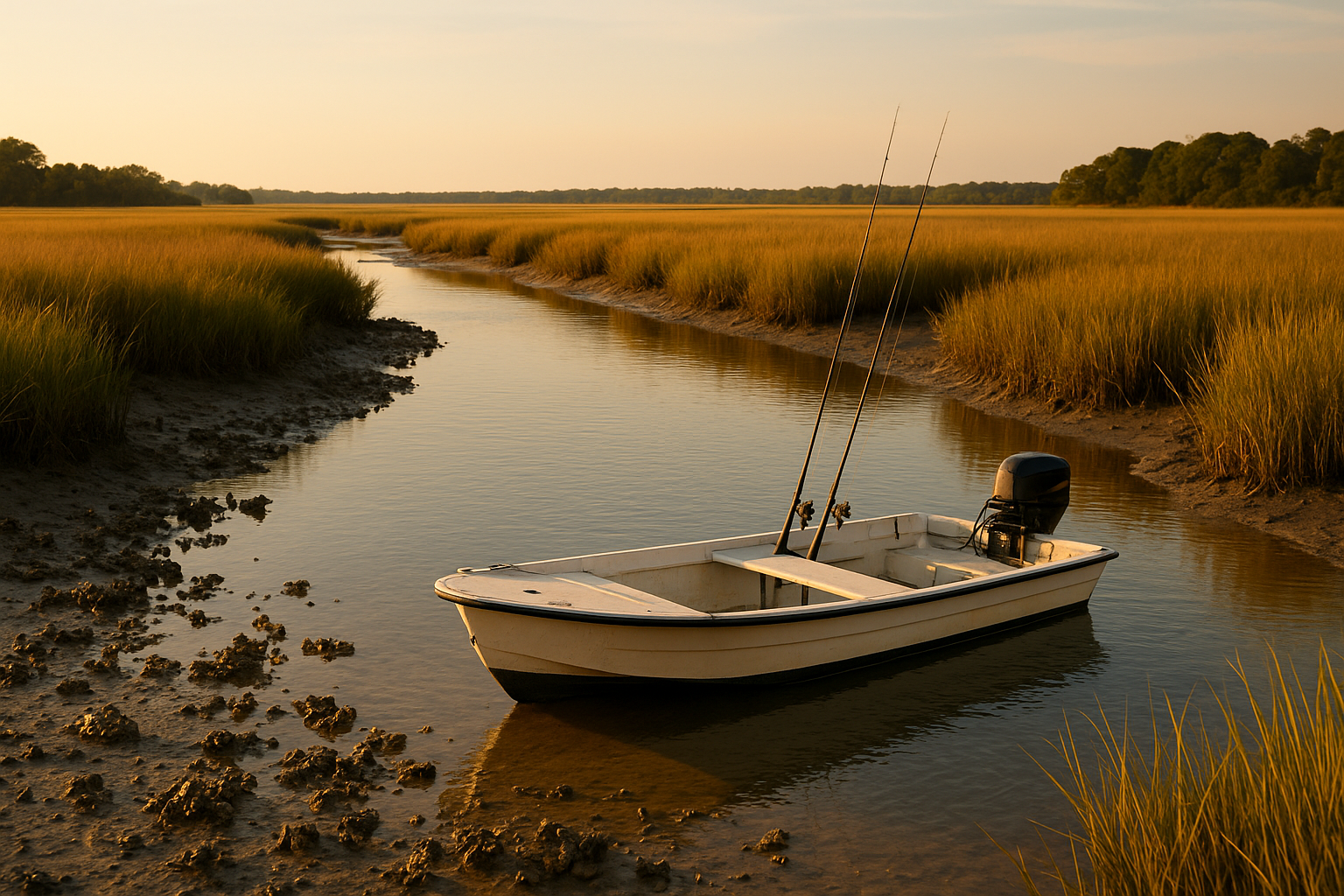
Oyster beds and grass edges like these hold feeding red drum throughout the Grand Strand.
What Is Red Drum Fishing in Myrtle Beach?
Red drum fishing in Myrtle Beach is the practice of targeting Sciaenops ocellatus, a hard-fighting inshore and nearshore species recognized by its coppery color and signature tail spot, throughout the creeks, inlets, and nearshore waters of the Grand Strand. Specifically, anglers pursue slot-sized fish inshore and larger bull redfish closer to inlets and nearshore structure.
Unlike open-water species that roam widely, red drum tend to hold tight to structure such as oyster rakes, dock pilings, and grass lines. As a result, local knowledge of tide stages and bait movement matters more for this species than almost any other inshore fish in the region, according to field observations from the South Carolina Department of Natural Resources.
Best Time of Year to Catch Redfish Near Myrtle Beach
Redfish can be caught near Myrtle Beach in every season, but fall consistently produces some of the most exciting action. During this period, bait schools push toward inlets, and bull redfish follow closely behind, often staging within casting distance of nearshore structure.
Spring also offers strong opportunities as water temperatures climb and fish move from deeper winter holes back into the marsh. In contrast, summer fishing often means targeting early morning or evening tides to avoid the heat and heavier boat traffic on the waterway.
For a closer look at seasonal bull redfish patterns, see our breakdown of when the bull redfish bite turns on along the Grand Strand.
Where to Find Red Drum Around the Grand Strand
Red drum favor areas where current, structure, and food overlap. Specifically, productive locations include:
- Oyster rakes exposed at low tide along backwater creeks
- Grass edges where the marsh meets open water
- Dock pilings and bridge structure that break current
- Inlet mouths such as Little River Inlet and Murrells Inlet during moving tides
- Nearshore structure where bait schools concentrate in fall
Because the Intracoastal Waterway connects many of these zones, captains who fish these waters daily can move between spots quickly as conditions change. Learn more about our dedicated North Myrtle Beach redfish charters built specifically around these patterns.
How to Catch Red Drum in Myrtle Beach: Step-by-Step
Once location and timing are set, the actual process of hooking and landing red drum follows a fairly consistent routine. Below is the approach licensed captains use on nearly every trip.
- Check the tide and plan your window. Target the two hours surrounding high or low tide, since moving water pushes bait and triggers feeding activity.
- Scout structure and bait activity. Look for nervous baitfish, exposed oyster rakes, or grass lines that hold feeding fish close to shore.
- Rig a fish-finder or Carolina setup. A sliding sinker above a swivel and leader lets the fish take bait naturally without feeling heavy resistance.
- Bait with live or fresh cut bait. Live finger mullet and mud minnows work well in clear water, while fresh cut menhaden adds a scent trail in murkier conditions.
- Cast to structure and let it settle. Cast tight to the target and give slack line so bait rests naturally on the bottom.
- Set the hook and fight patiently. Wait for steady pressure, then lift smoothly so the circle hook sets properly before fighting the fish.
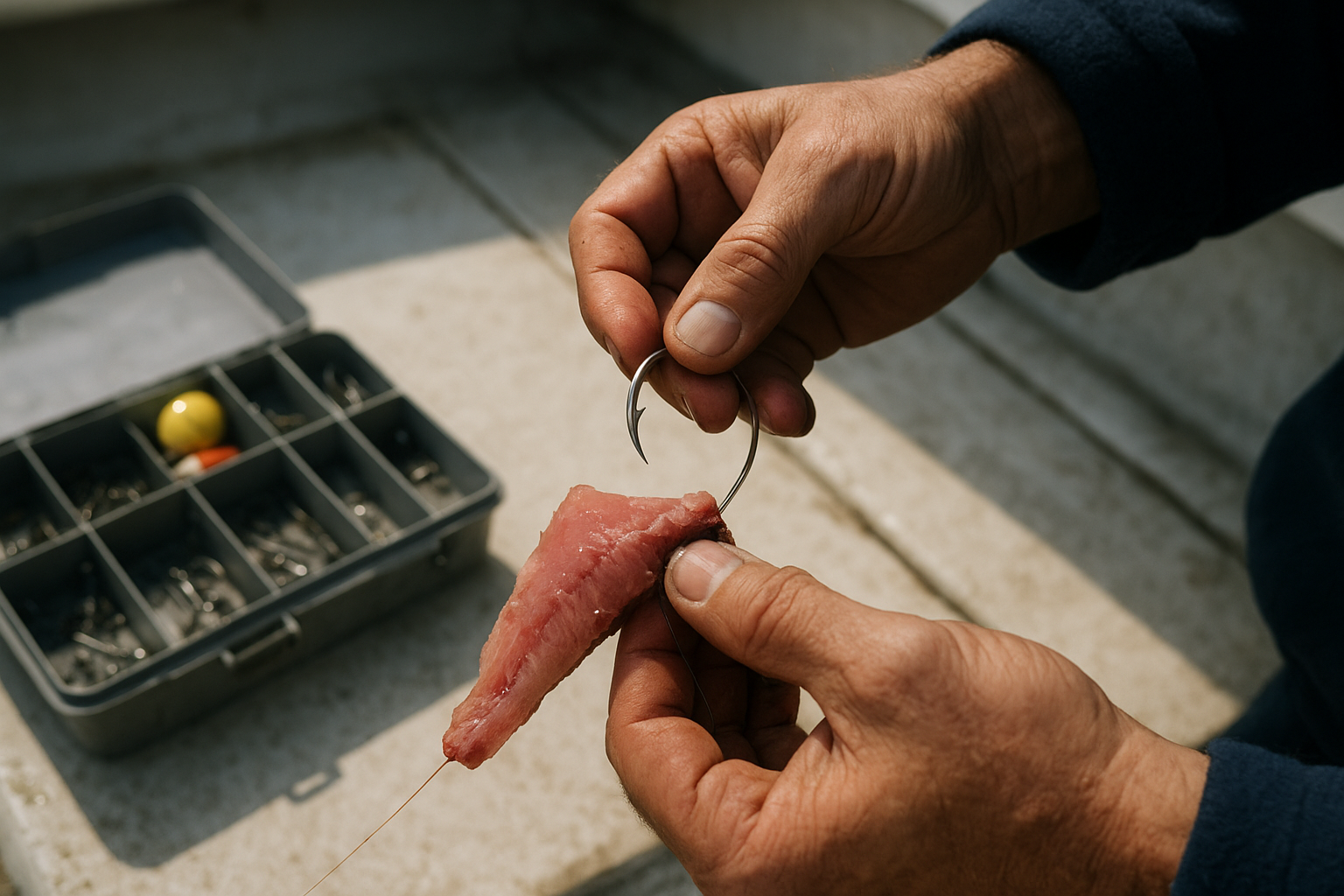
Fresh cut bait and a simple circle-hook rig are often all it takes to hook a redfish.
Best Tackle, Bait, and Rigs for Redfish
A medium-action spinning rod paired with 15 to 20 pound braided line handles the vast majority of inshore red drum situations. Furthermore, a fluorocarbon leader of similar strength resists abrasion from oyster shells and marsh grass.
Live finger mullet, mud minnows, and shrimp remain top producers, while fresh cut menhaden works especially well when water clarity drops after rain. In addition, circle hooks are recommended over traditional J-hooks because they reduce injury on fish intended for release, a practice encouraged by NOAA Fisheries for sustaining breeding-size stocks.
Many of the same techniques apply to black drum, a closely related species. For a side-by-side comparison, review our guide to black drum identification and fishing tactics.
Tips for Landing Bull Red Drum Offshore
Bull redfish, generally fish exceeding 27 inches, require heavier tackle and more patience than their inshore counterparts. Consequently, many anglers step up to 30 to 40 pound braided line and larger circle hooks when targeting these fish near inlets or nearshore structure.
Because bull reds often travel in schools, a single hookup frequently signals more fish nearby. As a result, staying on a productive spot rather than moving immediately after one catch often pays off with multiple hookups in a short window.
See this pattern firsthand in our redfish fishing video from Myrtle Beach waters, which shows the technique in action.
Why Fish With a Private Charter for Red Drum
Local captains who fish these waters daily can read tide stages, bait movement, and seasonal patterns far faster than visiting anglers relying on general advice. North Myrtle Beach Fishing Charters LLC, founded by Captain Keith Logan in 1991, brings more than 40 years of firsthand experience to every private trip, with licensed captains supplying rods, tackle, bait, and required safety gear.
Because every trip is private rather than a shared head boat experience, captains tailor the approach around each group’s comfort level and fishing goals. Whether you are introducing kids to their first redfish or chasing a trophy bull red offshore, explore our complete red drum species profile or visit North Myrtle Beach Fishing Charters to check availability and book online.
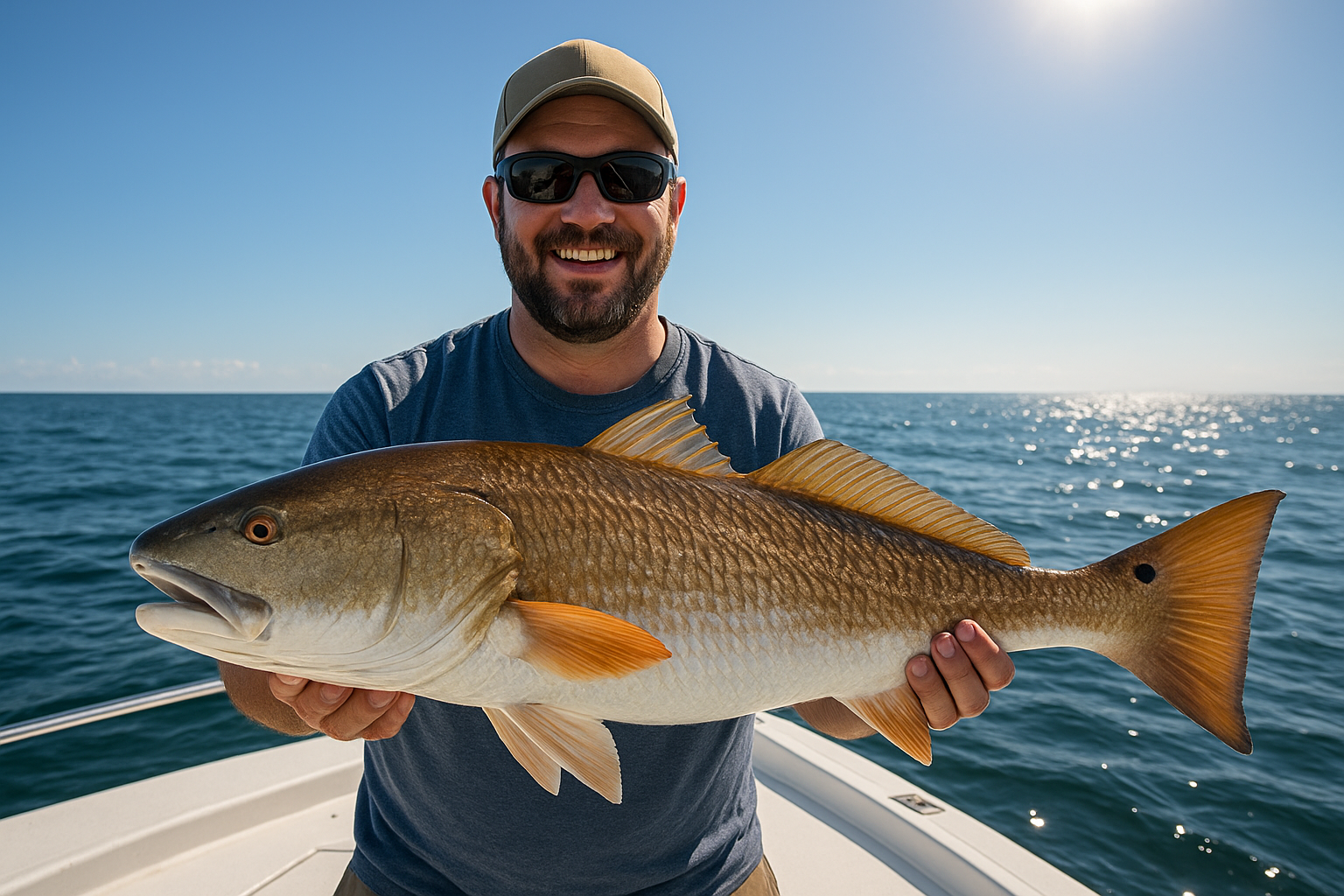
Nearshore structure near the inlets often holds larger bull redfish in fall.
Frequently Asked Questions
What is the best way to catch red drum in Myrtle Beach?
The best way to catch red drum in Myrtle Beach is to fish moving tides around oyster beds, grass edges, and creek mouths using live or cut bait on a fish-finder rig. Matching bait and location to the tide stage consistently produces more strikes than fishing a fixed spot all day.
What time of year are redfish most active near Myrtle Beach?
Redfish stay active year-round in the Grand Strand’s protected waters, but fall and late spring typically bring the most consistent inshore action. Big bull redfish push closer to nearshore waters in fall as water temperatures begin to cool.
What bait works best for red drum?
Live finger mullet, mud minnows, and fresh cut bait such as menhaden are among the most effective baits for red drum. Shrimp also works well, especially for smaller fish in shallow creeks.
Do I need a fishing license to catch red drum in South Carolina?
Yes, South Carolina requires a saltwater fishing license for red drum unless you are fishing aboard a licensed charter that provides required licenses for guests. North Myrtle Beach Fishing Charters includes required fishing licenses for guests on booked trips.
How big do red drum get in Myrtle Beach waters?
Inshore slot-sized red drum commonly range from 18 to 27 inches, while bull redfish caught nearshore and offshore can exceed 40 inches. Trophy bull reds are frequently caught and released near inlets and nearshore structure in fall.
What is the difference between red drum and black drum?
Red drum have a coppery-bronze color with one or more black spots near the tail, while black drum are silvery-gray with vertical barring and no tail spot. Both species respond to similar bottom-fishing techniques but often prefer slightly different structure.
How much does a private red drum charter cost in Myrtle Beach?
Private charter pricing varies by trip length, boat, and group size, with inshore redfish trips generally priced lower than nearshore or offshore charters. Exact rates and availability are confirmed during online booking.
What tackle and rigs work best for redfish?
A medium-action spinning rod paired with 15 to 20 pound braided line and a fish-finder or Carolina rig handles most inshore red drum situations. Circle hooks are recommended to reduce injury on fish intended for release.
Can beginners and kids catch red drum successfully?
Yes, red drum are considered one of the more approachable inshore gamefish for beginners and children because they feed aggressively and tolerate simple bait rigs. Licensed captains provide hands-on instruction so new anglers can learn proper technique quickly.
What is the most common mistake anglers make targeting redfish?
The most common mistake is fishing the wrong tide stage for the chosen location, since redfish shift between shallow flats and deeper creek edges as water moves. Ignoring water clarity and bait movement also reduces strike rates significantly.
Where do bull redfish go in the fall near North Myrtle Beach?
In fall, bull redfish often stage near inlets, nearshore structure, and baitfish schools as they prepare for seasonal migration. This is considered one of the most productive windows for targeting trophy-class fish along the Grand Strand.
Is catch-and-release recommended for red drum?
Catch-and-release is strongly recommended for larger red drum outside the legal slot limit, since bull reds are breeding-size fish important to the population. Proper handling with wet hands and minimal air exposure improves survival after release.
Why book a guided charter instead of fishing for redfish on my own?
A guided charter gives anglers access to a licensed captain’s local knowledge of tides, structure, and seasonal patterns that take years to learn independently. Charters also provide tackle, bait, and instruction, which removes much of the guesswork for visiting anglers.
Final Thoughts on Catching Red Drum in Myrtle Beach
Ultimately, learning how to catch red drum in Myrtle Beach comes down to reading tides correctly, fishing the right structure, and presenting bait the way local fish expect. Beginners can apply these same basics with simple tackle, while experienced anglers can push toward bull redfish near the inlets in fall.
For guests who prefer expert guidance over trial and error, North Myrtle Beach Fishing Charters LLC offers private trips built around each group’s goals, with licensed captains, provided tackle, and over four decades of firsthand local experience ready to put you on the fish.