
Fishing charter preparation tips Myrtle Beach anglers rely on can turn a chaotic morning at the dock into a smooth, confident start to a great day on the water. Put simply, fishing charter preparation tips Myrtle Beach guides recommend cover everything from booking timing and smart packing to seasickness prevention and on-board etiquette. Whether you are stepping onto a boat for the first time or you fish several charters a year, knowing exactly what to bring, wear, and expect changes the entire experience. Below, you will find a complete, step-by-step resource for inshore, nearshore, offshore, and deep-sea trips departing with North Myrtle Beach Fishing Charters LLC. As a result, you will board ready to fish rather than ready to improvise.
What Are the Best Fishing Charter Preparation Tips for Myrtle Beach?
The best fishing charter preparation tips Myrtle Beach captains give new guests are simple: book two to four weeks ahead, check the marine forecast the morning of your trip, pack light layers with non-slip shoes, bring sun protection, and confirm your charter’s food and cooler policy before you leave home. In addition, taking anti-nausea medication early and eating a light meal beforehand helps first-time anglers feel steady from the first wake. Following these basics means you spend more time reeling in fish and less time adjusting to the boat.
This guide goes well beyond a basic checklist. Specifically, you will learn how to choose the right trip type, build a smart packing list, follow a day-by-day countdown, understand tipping etiquette, prepare your stomach for open water, and avoid the mistakes that quietly ruin otherwise great trips.
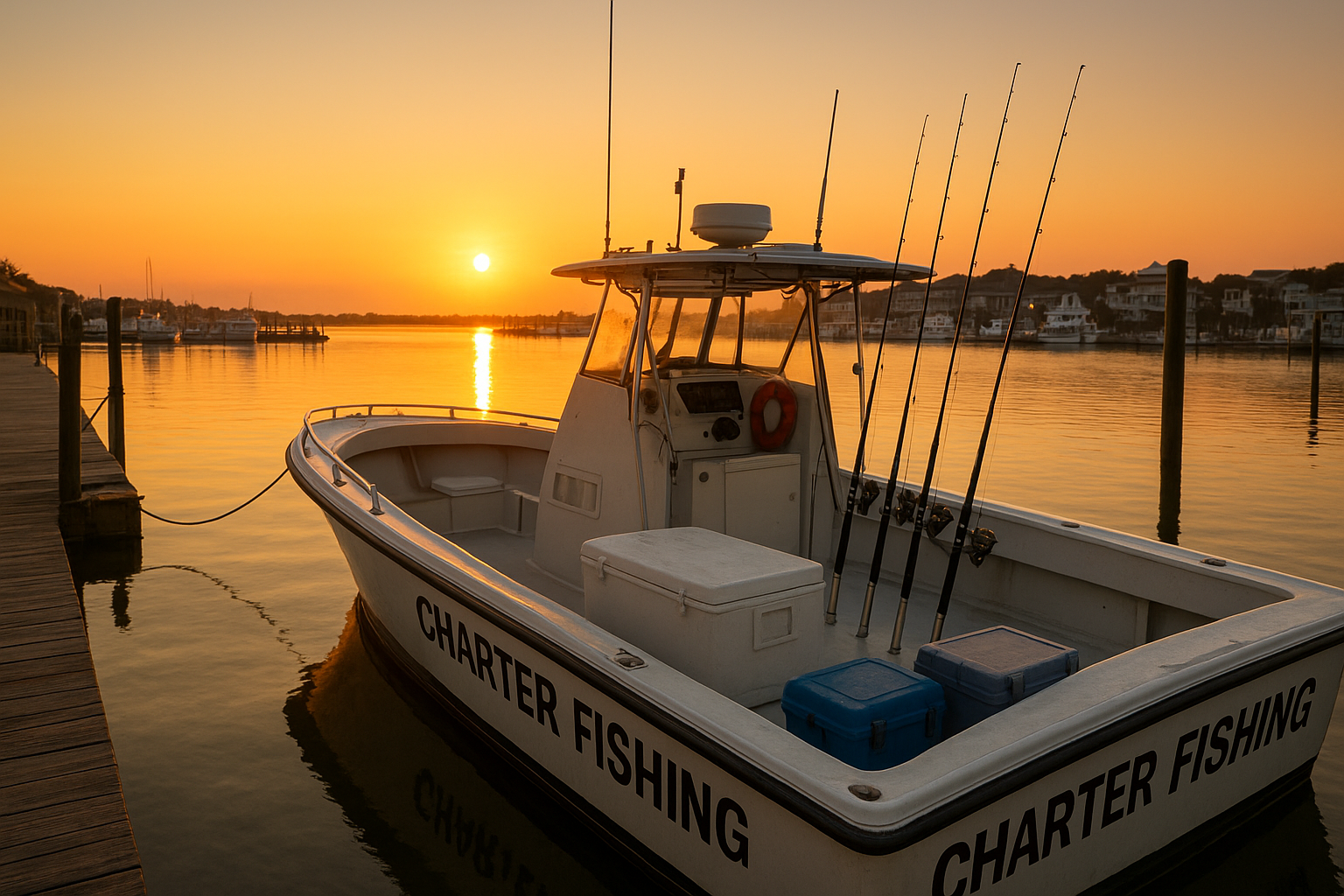
Arriving early and staging your gear is one of the simplest fishing charter preparation tips Myrtle Beach anglers can follow.
Choosing the Right Charter Trip for Your Myrtle Beach Fishing Adventure
Before you can prepare properly, you need to know which trip actually fits your group. For example, families with young children typically do best on a calmer inshore trip through protected creeks and the Intracoastal Waterway, while experienced anglers chasing bigger game usually prefer an offshore or Gulf Stream run. Therefore, matching trip type to your group’s comfort level is the real first step in any preparation checklist.
If you are unsure which option suits your crew, the team behind Myrtle Beach fishing charters can help you weigh trip length, target species, and expected sea conditions. Similarly, guests interested in longer runs to wrecks or reefs should review the details of deep-sea fishing charters before booking, since these trips demand more preparation than a short inshore outing. Furthermore, if you want a quick, condensed reference built specifically for longer offshore runs, the five must-know deep-sea charter tips pair well with everything covered here.
Inshore vs. Nearshore vs. Offshore vs. Gulf Stream
Inshore trips stay in calm, protected water and run three to four hours, which makes them ideal for beginners, seniors, and kids. Nearshore trips fish just off the beach in slightly rougher conditions. Offshore and deep-sea trips, in contrast, travel several miles to wrecks and reefs and can last six to ten hours. Gulf Stream trips go the farthest and may run a full day, so they require the most deliberate preparation of all four options.
The Complete Packing List for Your Myrtle Beach Charter Trip
Packing light but smart is one of the most overlooked fishing charter preparation tips Myrtle Beach veterans swear by. Above all, avoid overpacking, since boat storage is limited and heavy bags become awkward on a moving deck.
- Non-slip, closed-toe shoes for secure footing on wet decks
- Reef-safe sunscreen, a wide-brim hat, and polarized sunglasses
- A light jacket or windbreaker, even in summer, since wind chill increases on open water
- Motion sickness medication, taken well before departure rather than after symptoms begin
- A small towel, refillable water bottle, and light snacks
- A waterproof bag or phone case for photos and electronics
- Cash for tipping the crew and a copy of your booking confirmation
In addition, leave large coolers or extra luggage in the car unless your captain confirms there is room on board. Consequently, you will have more space to move around, cast, and reel comfortably throughout the trip.
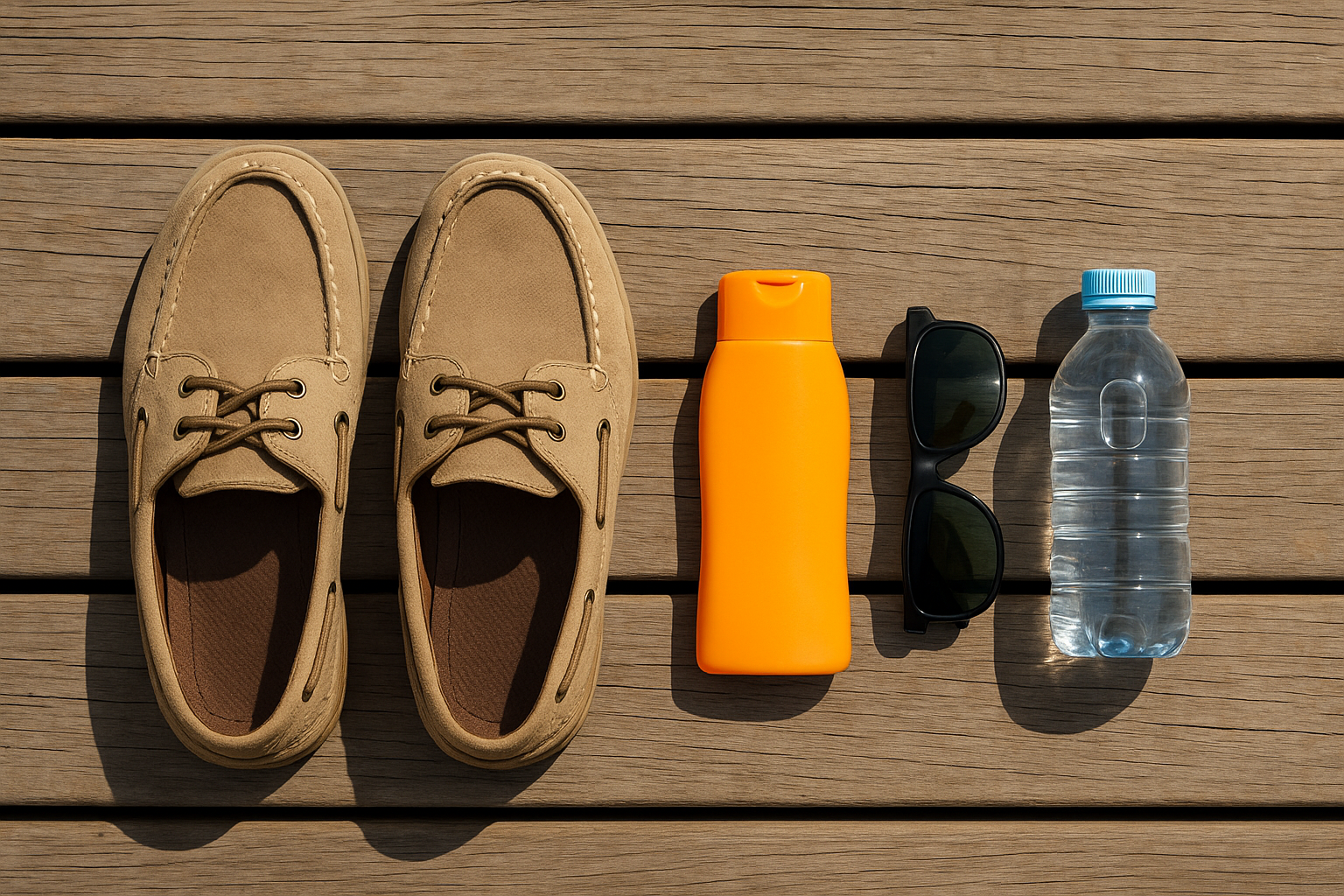
A short packing list keeps your gear simple and your hands free for fishing.
Step-by-Step Charter Prep Checklist: From Booking to Boarding
Preparation becomes much easier once it is broken into a simple sequence. Use the six steps below as a countdown checklist that runs from booking day to the moment you step onto the boat.
- Book two to four weeks ahead. Popular dates fill quickly during summer and holiday weekends, so reserve your preferred trip type and departure time well in advance.
- Check the marine forecast twice. Review wind speed, wave height, and rain chances the night before your trip, then check again first thing the morning you depart.
- Confirm your meeting dock. Double-check the exact marina slip number and departure time listed in your booking confirmation email to avoid a last-minute scramble.
- Pack your bag the night before. Lay out clothing, sunscreen, medication, and cash for tipping so your morning stays calm instead of rushed.
- Eat light and medicate early. A small, low-grease meal paired with motion sickness medicine taken 30 to 60 minutes before boarding works best for most first-time anglers.
- Arrive early and listen closely. Get to the dock 15 to 30 minutes ahead of departure, load your gear calmly, and pay close attention during the safety briefing.
For a deeper dive into trip-specific advice, the guide on first-time charter tips covers additional dock etiquette worth reviewing before your outing. You can also browse our complete library of charter tips for trip-specific advice on every boat we run.
Best Time of Year and Day to Book a Myrtle Beach Fishing Charter
Timing matters just as much as packing. Late spring through early fall generally offers the calmest water and the widest variety of species, which makes it the most forgiving season for first-timers. However, early morning departures tend to produce smoother seas and more active fish than mid-afternoon trips, since wind typically builds throughout the day along the Grand Strand.
If you want to study tide patterns before you book, the NOAA Tides and Currents portal provides free, location-specific data that experienced anglers use to plan around moving water. Consequently, booking a morning trip during an active tide swing often improves your odds of a productive day, regardless of which species you are targeting.
Seasickness, Weather, and On-Board Safety
Motion sickness is one of the biggest concerns for new anglers, and understandably so. Research summarized on Wikipedia’s overview of motion sickness suggests that roughly one in three people are especially prone to it, even in relatively calm conditions. Consequently, taking preventive medication before boarding, rather than after symptoms start, is far more effective.
Weather also plays a major role in trip comfort and safety. Checking marine conditions through the National Weather Service before you leave home helps you dress appropriately and set realistic expectations for sea conditions. Furthermore, reviewing basic boating safety guidance from the U.S. Coast Guard gives first-time passengers a clear sense of what a standard safety briefing will cover, including life jacket locations and emergency procedures.
If you are planning an offshore or Gulf Stream run specifically, the tips outlined in this deep-sea trip success guide address longer travel times and rougher water more directly than a general checklist. In addition, prolonged sun exposure on longer trips raises skin cancer risk, so the CDC’s sun safety guidance is worth a quick read before any full-day charter.
What Happens Once You Board: A First-Timer’s Walkthrough
Many first-time guests feel nervous simply because they do not know what to expect after check-in. Typically, you will sign a brief waiver, stow your gear in a marked spot, and listen to a short safety talk covering life jackets, the head (bathroom), and emergency procedures. After that, the mate will explain the day’s rigging and target species before the captain idles out of the marina.
Once you reach the fishing grounds, the crew baits hooks, helps with casting, and assists with landing fish, so prior experience is never required. In particular, new anglers should feel free to ask questions throughout the trip; a good mate would rather explain a knot twice than watch a guest struggle in silence.
Tipping Etiquette: What to Pay Your Captain and Mate
Tipping is standard practice in the charter fishing industry, yet it is rarely explained clearly to first-time guests. As a general rule, plan to tip the mate and captain 15 to 20 percent of the total charter price, split evenly if more than one crew member helped on board. Above all, bring cash, since many boats are not set up to process tips by card at the dock.
Specifically, adjust your tip upward for exceptional service, such as a crew that went out of its way to put you on fish during a slow bite. Groups that want more control over pace and crew attention often find private charters easier to tip fairly, which is one more reason to consider a private fishing charter for special occasions.
Food, Drinks, and Hydration Rules Explained
Sun and salt air pull moisture from your body faster than most guests expect, so hydration deserves real attention. Bring plenty of water, light snacks, and a small cooler if your charter permits it. In contrast, avoid alcohol before or during the trip, since it worsens seasickness and impairs balance on a moving deck. Similarly, greasy or heavy meals right before boarding often backfire for sensitive stomachs.
Common Mistakes That Sink a Good Charter Trip
Even seasoned travelers make avoidable errors before a charter trip. For instance, wearing flip-flops on a wet, moving deck is a common cause of minor slips. Similarly, skipping sunscreen or forgetting a hat leads to painful sunburn that lingers long after the trip ends.
Another frequent mistake is overpacking, which crowds the deck and slows down casting or reeling. In contrast, guests who pack a small, focused bag tend to move more freely and enjoy the trip more. Finally, forgetting tip cash or arriving without a confirmed dock location causes unnecessary stress right before a trip that should start smoothly.
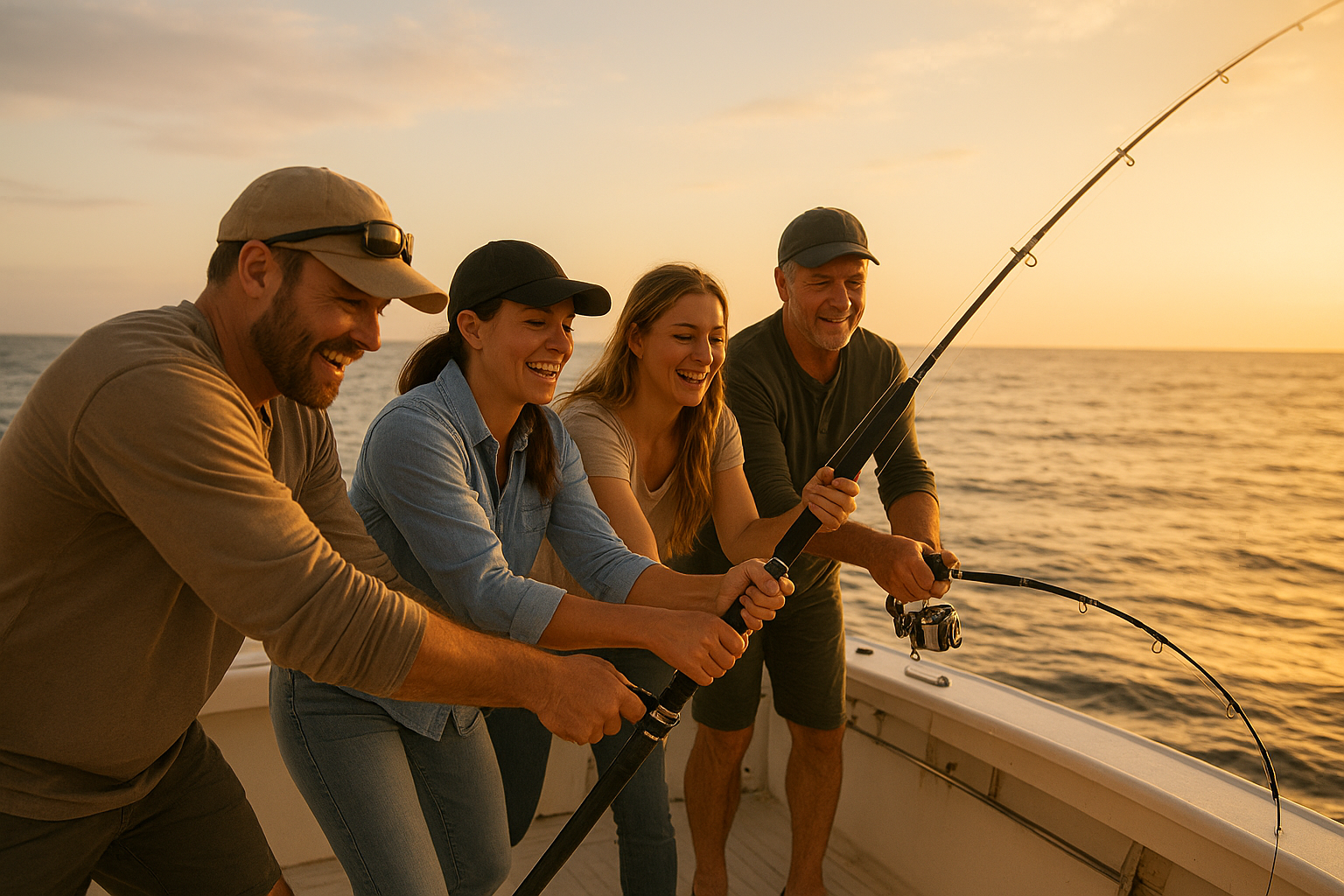
Good preparation means more time enjoying moments like this instead of managing gear.
After the Catch: Cleaning, Cooking, and Keepsake Photos
Most crews clean and bag your catch dockside so it is ready to cook or freeze the same night. If you would rather release fish or keep only a few, simply tell the mate your preference before the trip ends, since this is far easier to arrange early than at the dock. For photos, a waterproof phone case protects your memories from spray, and golden-hour light near sunrise or sunset produces the best catch shots of the whole trip.
Frequently Asked Questions About Fishing Charter Preparation Tips Myrtle Beach
What are the most important fishing charter preparation tips Myrtle Beach anglers should know?
The most important fishing charter preparation tips Myrtle Beach anglers should know are to book early, check the weather, pack non-slip shoes and sun protection, and confirm your charter’s food and cooler policy. Eating a light meal and taking motion sickness medicine ahead of time also helps first-timers feel comfortable.
How early should I arrive before my charter departs?
Most captains recommend arriving 15 to 30 minutes before departure to load gear, complete paperwork, and get a safety briefing. Arriving late can delay the whole group or cause you to miss the trip entirely.
What should I wear on a Myrtle Beach fishing charter?
Wear light, breathable layers, non-slip closed-toe shoes, and a hat with polarized sunglasses. Bring a light jacket for early mornings or offshore trips, since it can feel cooler once the boat is moving.
Do I need to bring my own fishing gear?
No, most Myrtle Beach charters supply rods, reels, tackle, and bait as part of the trip. You are welcome to bring a favorite rod, but it is not required for inshore, nearshore, or offshore trips.
How can I prevent seasickness on a charter trip?
Take an over-the-counter or prescription motion sickness medication the night before and morning of your trip, and avoid heavy, greasy meals beforehand. Staying hydrated and watching the horizon instead of your phone also reduces symptoms.
What is the cost of a fishing charter in Myrtle Beach?
Prices vary by trip type, boat size, and trip length, with inshore trips generally costing less than offshore or Gulf Stream charters. Private charters are priced per boat rather than per person, so group size affects the per-angler cost.
How long do fishing charters typically last?
Inshore and nearshore trips typically run 3 to 4 hours, while offshore and deep-sea trips often run 6 to 10 hours depending on distance to the fishing grounds. Gulf Stream trips can run a full day due to travel time.
Can beginners and kids join a Myrtle Beach fishing charter?
Yes, many charters, including family-friendly inshore and nearshore trips, are designed for beginners and children. Crews typically provide hands-on instruction so first-time anglers of any age can participate safely.
What food and drinks should I bring?
Bring plenty of water, light snacks, and a small cooler if permitted, since sun and salt air increase dehydration risk. Avoid alcohol before or during the trip, as it can worsen seasickness and impair balance on deck.
What happens if the weather is bad on my scheduled day?
Reputable charters monitor marine forecasts and will reschedule or refund a trip if conditions are unsafe. Communicating your contact information clearly during booking ensures you receive timely weather updates.
What is the difference between inshore, nearshore, and offshore charters?
Inshore trips stay in protected creeks and the Intracoastal Waterway, nearshore trips fish just off the beach, and offshore or deep-sea trips travel miles out to wrecks, reefs, or the Gulf Stream. Each option targets different species and suits different comfort levels.
What common mistakes should first-time anglers avoid?
Common mistakes include skipping sunscreen, wearing flip-flops, overpacking heavy bags, and forgetting to confirm the meeting dock location. Arriving without a light breakfast or medication for seasickness also causes avoidable discomfort.
Do I need a fishing license for a charter trip?
No, licensed charter captains in South Carolina typically operate under a blanket fishing license that covers guests on board. This means you do not need to purchase a separate personal fishing license for the trip.
What should I do with my catch after the trip?
Most crews will clean and bag your catch at the dock so it is ready to cook or freeze. If you would rather release fish or only keep a few, simply let the mate know your preference before the trip ends.
What’s the best time of year to book a Myrtle Beach fishing charter?
Late spring through early fall typically offers the calmest seas and the widest variety of target species, making it the most forgiving season for beginners. Morning departures also tend to produce smoother water than afternoon trips year-round.
Should I tip my captain and mate after the trip?
Yes, a tip of 15 to 20 percent of the total charter price is standard, split between the captain and mate when more than one crew member assists. Bringing cash is recommended, since not every boat accepts tips by card.
Final Thoughts on Fishing Charter Preparation Tips Myrtle Beach Anglers Trust
In summary, the fishing charter preparation tips Myrtle Beach anglers use most often come down to a handful of simple habits: book early, watch the weather, pack light, protect your skin, plan ahead for motion sickness, and bring cash for the crew. Above all, a little planning turns a good trip into a great one, whether you are chasing redfish in a quiet creek or trolling the Gulf Stream for something bigger. As you finalize your plans, review the trip options and booking details at North Myrtle Beach Fishing Charters LLC so your next outing starts smoothly from the very first cast.
