
Fishing lessons give beginners in North Myrtle Beach the fastest, safest, and most enjoyable path from “I’ve never held a rod” to “I just caught my first redfish.” Whether you’re a parent looking to introduce your kids to the water, a vacationer who wants one unforgettable afternoon on a boat, or a total newcomer who doesn’t know a spinning reel from a baitcaster, structured fishing lessons remove the guesswork and replace it with real, hands-on skill. In this guide, we’ll cover everything Georgia’s state-run “Fish and Learn” program touches on — and a great deal more that it leaves out, including local saltwater techniques, costs, licensing rules, and exactly how to book your first trip.
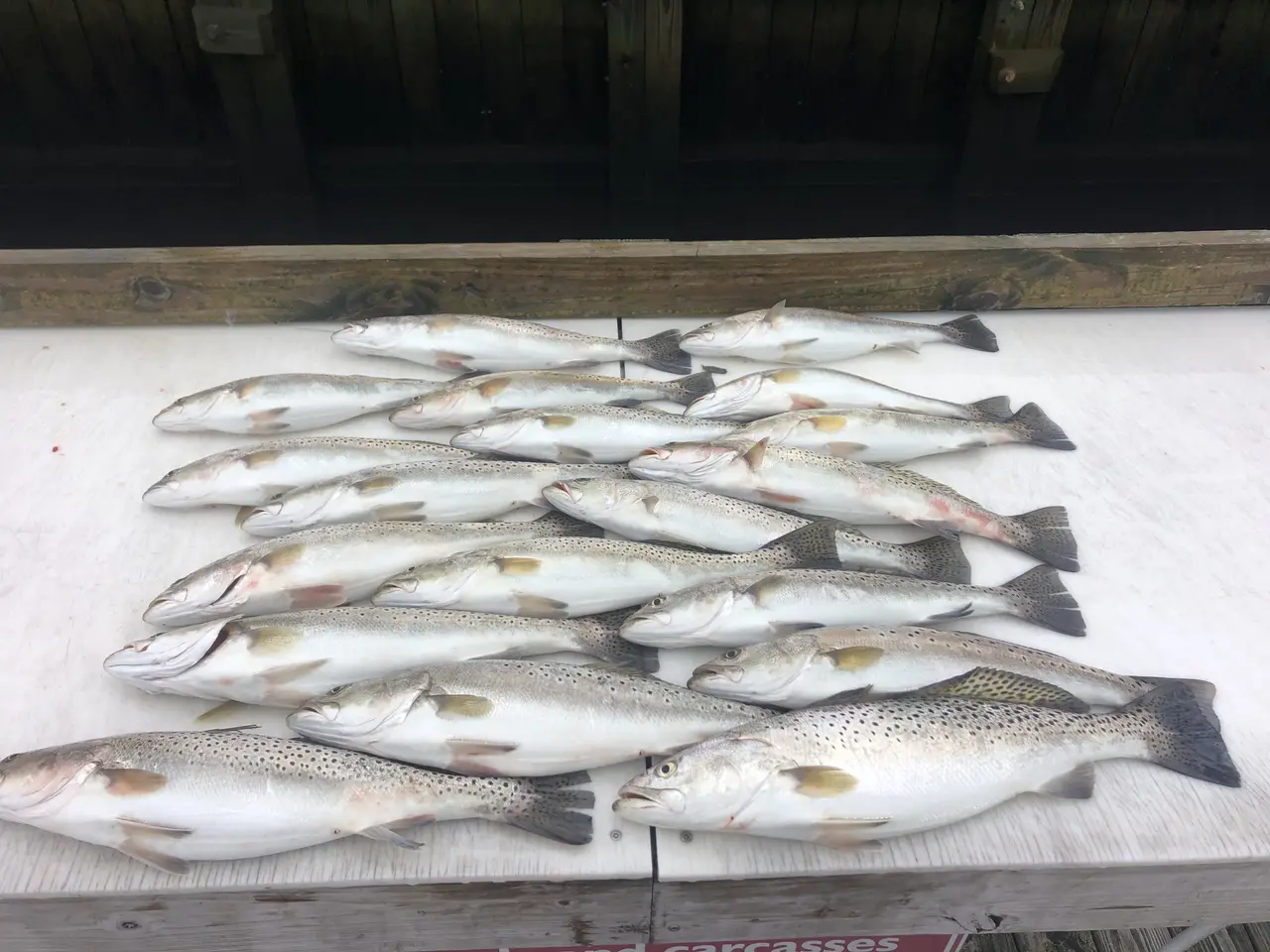
Why Fishing Lessons Are Essential for Beginners
When you first venture into the world of fishing, the sheer amount of knowledge required can feel overwhelming. Knots, baits, casts, tides, and the dozens of different types of fishing gear — where do you even start? This is exactly where fishing lessons come in. By breaking the process into manageable, step-by-step chunks, beginners find their footing far faster than if they tried to learn through trial and error alone.
A common misconception is that fishing is simply sitting by the water with a rod. However, there’s considerably more to it than that. From selecting the right equipment for current conditions to understanding local regulations and fish behavior, there’s a genuine learning curve for newcomers. Consequently, well-structured fishing lessons provide a clear, guided path through all of that information instead of leaving you to piece it together on your own.
For instance, an experienced instructor can demonstrate in five minutes what might otherwise take weeks of frustrated self-teaching to figure out. As a result, beginners who take proper fishing lessons tend to stick with the sport longer and enjoy it more from day one.
What You’ll Learn in Fishing Lessons
At their core, fishing lessons equip you with the foundational knowledge required to start fishing confidently. This includes understanding different fishing rods, how to set up your reel, choosing the right bait, and the basics of casting. But it doesn’t stop there — good lessons also cover how to read water bodies to predict where fish are likely holding. For a deeper walkthrough of local waters, see our Fishing Boating Myrtle Beach South Carolinas Guide: Elevate Your Boating or Fish.
Rods, Reels, and Tackle Basics
Your instructor will typically start with gear fundamentals: spinning versus baitcasting reels, line weight, hook sizing, and how to match tackle to the species you’re targeting. In particular, saltwater setups used in North Myrtle Beach differ considerably from the freshwater gear used in inland ponds and lakes, which is a distinction many general fishing programs gloss over.
Casting Technique and Reading the Water
Casting is often the most intimidating part for new anglers, yet it’s also the most teachable. A good instructor breaks the motion down into a few repeatable steps so muscle memory builds quickly. Beyond casting, lessons also explain how currents, structure, and tide changes affect where fish feed — a skill known as “reading the water,” which is central to the practice of angling as a whole.
Water Safety and Fish Handling
Safety is another critical aspect covered in thorough fishing lessons. Water safety, how to handle fish and hooks without injury, and environmental considerations — such as proper catch-and-release technique — are all topics every angler needs to understand before heading out on open water.
Types of Fishing Lessons: Private, Group, and Charter Options
The key to benefiting from fishing lessons is finding the right format for your interests and schedule. Unlike free walk-up clinics, which cover only basic shore-casting, North Myrtle Beach offers several tailored options:
- Private lessons — one-on-one instruction with a captain focused entirely on your pace and goals.
- Group lessons — a fun, social way to learn alongside family or friends at a lower per-person cost.
- Charter-based fishing lessons — combines real offshore or inshore fishing with live instruction, so you learn while actually catching fish.
- Specialty lessons — fly fishing, fly casting, or light-tackle inshore techniques for anglers who want to specialize.
It’s also worth considering whether you’re interested in freshwater fishing, saltwater fishing, or a specific technique like fly fishing, since the skills and gear differ meaningfully between each. Our beginner’s guide to fishing techniques breaks down these differences in more detail if you want to decide before booking.
Fishing Lessons for Kids and Families
Family-friendly fishing lessons are structured differently than adult sessions — shorter attention spans mean more hands-on activities and fewer long explanations. Captains experienced with children typically build in extra safety checks, simplified knot-tying games, and plenty of encouragement for that all-important first catch. If you’re planning a family outing, our dedicated resource on teaching kids to fish in Myrtle Beach walks through age-appropriate tips, gear sizing, and how to keep young anglers engaged for the whole trip.
Most children as young as five or six can participate in a simplified lesson, though charters generally recommend age seven and up for a full on-the-water experience. Above all, patience from the instructor matters more than the child’s natural ability — a good teacher adapts the lesson to the child, not the other way around.
How Much Do Fishing Lessons Cost?
Pricing for fishing lessons varies widely depending on format. Free public clinics, such as those run by state wildlife agencies, cover only the absolute basics and offer no personalized feedback. In contrast, private and charter-based fishing lessons typically include:
- Rod, reel, and tackle rental included in the trip price
- A licensed, experienced captain providing one-on-one coaching
- Access to boats and waters not reachable from shore
- Bait, ice, and sometimes fish-cleaning services included
In short, while free clinics are a nice introduction, paid fishing lessons with a professional guide almost always deliver a faster, more memorable learning curve — particularly for saltwater species that behave very differently from freshwater fish.
South Carolina Fishing License Requirements
Before your fishing lesson, it helps to understand the licensing rules in South Carolina. Generally, anyone fishing from a private vessel needs a valid license, though many charter operations cover this requirement under a blanket charter license for paying guests. Even so, it’s worth confirming with your captain beforehand. For the most current regulations, fees, and exceptions, the South Carolina Department of Natural Resources maintains official, up-to-date licensing information.
Similarly, understanding size and bag limits for popular inshore species protects both the fishery and your wallet, since fines for violations can be steep. A quality fishing lesson will always include a quick rundown of these rules specific to the species you’re targeting that day.
How to Book and Prepare for Your First Fishing Lesson in 5 Steps
- Choose your lesson format. Decide between a private session, a group clinic, or a full charter trip based on your budget, group size, and how much personalized attention you want from your instructor.
- Pick the right season and target species. Inshore species like redfish and flounder bite differently depending on the month, so ask your captain which fishing lessons match the current season for the best results.
- Confirm licensing and gear needs. Check whether your charter’s license covers you, and ask what gear, bait, and clothing you should bring versus what’s provided on board.
- Book your hands-on fishing lesson in advance. Popular time slots fill quickly during peak season, so reserving early guarantees you get an experienced instructor and your preferred date. You can book your hands-on fishing lesson directly online.
- Show up early and ask questions. Arriving fifteen minutes before departure gives you time to go over safety basics and ask your instructor anything before the boat leaves the dock.
Beyond the Hook: Additional Benefits of Fishing Lessons
Fishing lessons aren’t just about catching fish; they’re about connecting with nature, understanding ecosystems, and learning to respect the environment. For example, instructors often explain catch-and-release best practices that protect fish populations for future seasons — a principle supported by conservation research from NOAA Fisheries. In addition, fishing builds patience and discipline, since success often requires both. These are valuable life lessons that extend well beyond the water.
From Novice to Pro: Real Success Stories
Many seasoned anglers attribute their lifelong love of fishing directly to the lessons they took as beginners. These stories often highlight not just the technical skills gained, but also the confidence to try new techniques and locations afterward. Similarly, families who start with a single guided fishing lesson often return year after year, turning one afternoon on the water into a cherished tradition.
How to Choose the Best Fishing Lessons Near You
With so many options available, use this short checklist before booking any fishing lesson:
- Does the instructor hold proper licensing and insurance?
- Are lessons tailored to your skill level — absolute beginner through intermediate?
- Is gear, bait, and safety equipment included in the price?
- Do reviews mention patience with kids and first-timers specifically?
- Does the operator fish the specific waters and species you want to learn?
Frequently Asked Questions About Fishing Lessons
Are fishing lessons worth it for absolute beginners?
Yes. Fishing lessons provide a solid foundation and accelerate the learning process, making fishing more enjoyable and far less frustrating than figuring everything out alone.
How long does it take to learn fishing?
This varies from person to person, but a series of fishing lessons can provide a solid overview and basic skills within just a few sessions. More importantly, they ignite a passion that encourages continuous learning afterward.
Do I need a fishing license for lessons in South Carolina?
Often not for charter trips, since many operators hold a blanket license covering paying guests. However, you should always confirm this with your captain before the trip.
What should I bring to my first fishing lesson?
Sunscreen, polarized sunglasses, non-slip shoes, and water are essentials. Most tackle, bait, and rods are provided by your instructor as part of the lesson.
What age can kids start fishing lessons?
Children as young as five can enjoy a simplified lesson, while age seven and up is typically recommended for a full on-the-water charter experience.
How much do fishing lessons cost in Myrtle Beach?
Pricing depends on format and group size, but charter-based fishing lessons generally include gear, bait, and personalized instruction within the trip cost, unlike free public clinics.
Casting Into the Future: The True Value of Fishing Lessons
Embarking on the journey of fishing can be one of the most rewarding experiences available on the South Carolina coast. With the right guidance, beginners can quickly transform their first awkward casts into successful catches, fostering a lifelong passion for this timeless activity. In the end, fishing lessons offer a structured, supportive pathway into the sport — one that covers not just the basics, but also the subtleties, safety practices, and local knowledge that make fishing such a beloved pastime. Whether you’re hoping to catch dinner or simply enjoy the tranquility of open water, the right fishing lessons give you the solid foundation needed to enjoy every moment on the water to the fullest.
Leave a Reply